

Fuel shock, Middle East turmoil push global freight rates higher
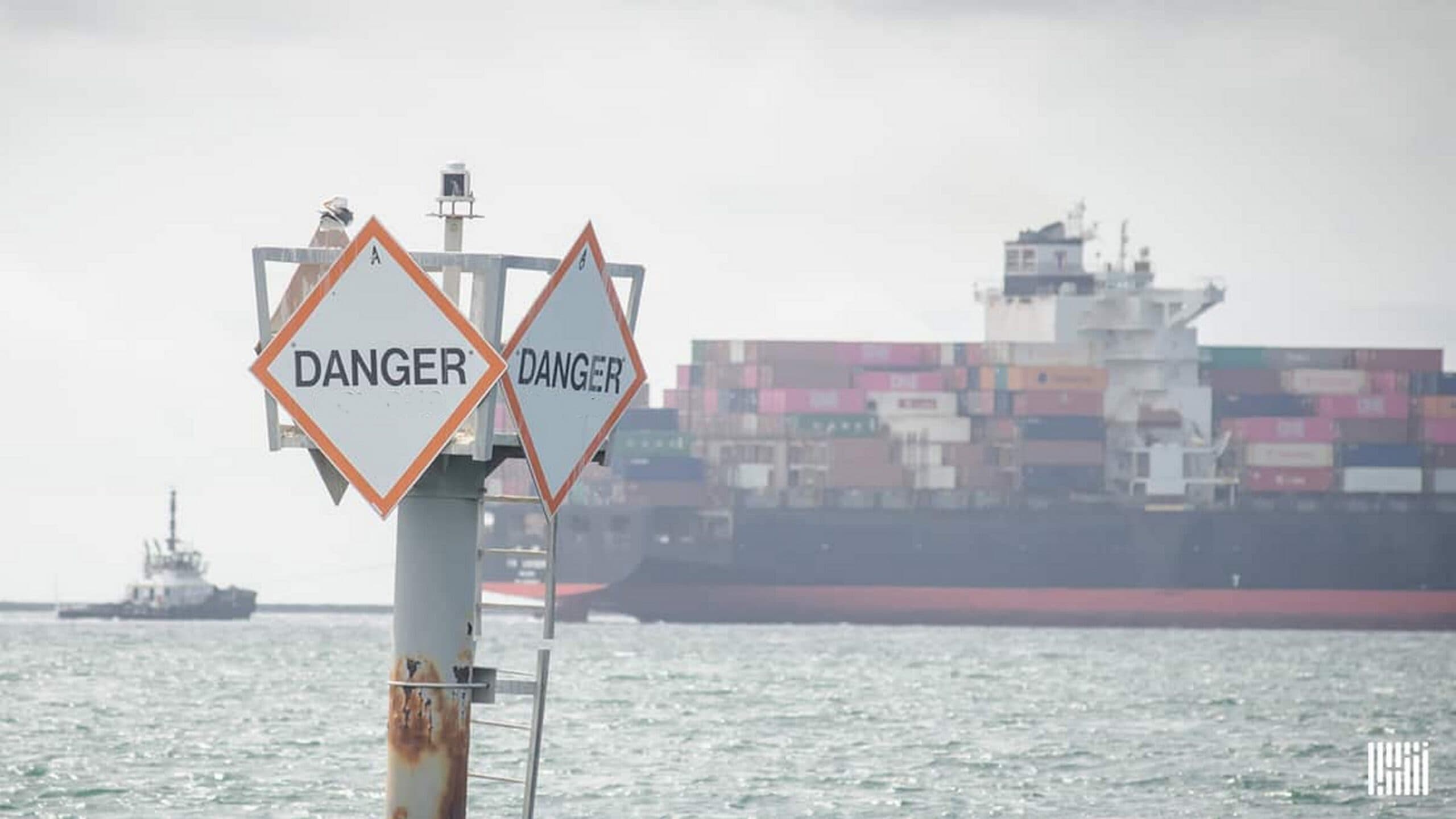
Global freight rates are surging due to fuel costs rising 78% year-over-year and Middle East disruptions, despite weak shipping demand. Ocean carriers are implementing emergency bunker surcharges in April while air cargo capacity dropped 11% with widespread airspace closures.
Higher shipping costs will hit product margins before peak season, especially for heavy/bulky items and air-shipped inventory. Sellers should audit their current inbound shipment costs and consider accelerating Q3 inventory orders before fuel surcharges compound further.
This represents a shift from demand-driven to cost-driven logistics inflation, squeezing seller margins during traditionally slower spring months before peak season inventory builds.
Check your Seller Central shipping queue -- if you have air shipments to FBA scheduled, expedite them before fuel surcharges increase further in Q2.
Review your product mix for heavy/low-margin items that ship via ocean freight and consider temporary price adjustments to maintain profitability.
Bottom Line
Fuel crisis drives freight costs up 78% despite weak demand.
Source Lens
Industry Context
Useful background context, but lower-priority than direct platform, community, or operator intelligence.
Impact Level
medium
Fuel crisis drives freight costs up 78% despite weak demand.
Key Stat / Trigger
78% jet fuel price increase year-over-year
Focus on the operational implication, not just the headline.
Full Coverage
Global freight markets are being reshaped by surging fuel costs and ongoing disruption in the Middle East, even as underlying demand remains relatively soft, according to Flexport’s latest Freight Market Update webinar on April 9.
Executives said both ocean and air freight are entering Q2 with a widening disconnect between demand and pricing — with rates climbing largely due to cost pressures rather than cargo volumes. Fuel — not demand — is once again the primary driver of freight pricing. For carriers, that means margin protection through surcharges.
For shippers, it means higher costs and volatility even in a soft market environment. Flexport, founded in 2013 by Ryan Petersen and based in San Francisco, provides global logistics solutions.
Ocean: Calm volumes, rising costs Flexport officials said trans-Pacific eastbound (TPEB) ocean conditions are “relatively calm,” with stable capacity and muted seasonal demand typical for April. “On the TPEB side, things are actually relatively calm,” said Kyle Beaulieu, senior director and head of ocean Americas at Flexport. “Supply is relatively stable.”
However, that stability masks a key shift: rates are rising despite weak demand. Capacity remains “healthy” and largely in line with Q4 levels Blank sailings have increased, driven by higher fuel costs and low demand Carriers are rolling out emergency bunker surcharges (EBS) globally U. S.
trades are seeing surcharge implementation in April “Demand is relatively muted in April … but the fuel costs are impacting decisions on supply and impacting freight rates,” Beaulieu said. Fuel-related cost increases — tied to disruption in the Persian Gulf — are pushing carriers to raise all-in rates, even without strong volume growth.
Operations: Local congestion, global ripple effects Port operations remain mostly stable in North America, with a few exceptions. “Overall, actually, in North America, it’s pretty quiet,” said Nathan Strang, director of ocean freight at Flexport. Savannah remains a pressure point, with vessel queues causing delays.
“They’re seeing about six vessel waits on average, or about two-day delay,” Strang said, noting weather and navigation constraints as key factors. Globally, congestion persists in parts of Europe and Asia, while disruptions tied to the Middle East continue to ripple through supply chains.
~130 container ships remain stuck or delayed in the Persian Gulf region Carriers are avoiding the region despite a ceasefire announcement Cargo is increasingly being rerouted via land bridges out of UAE hubs “We’ve also seen about five container ships leave the Gulf in recent days.
So that’s a good sign,” Strang said, adding that most carriers are still waiting for safe transit conditions. Air freight: Severe disruption, surging rates Air cargo markets remain under significant stress, with Flexport calling disruption widespread.
“In air freight, we’re still seeing major disruption in the market due to the situation in the Middle East,” said David Grinevald, regional director for air freight at Flexport. Key pressure points include: Multiple airspace closures across the Middle East Reduced capacity at major hubs like Dubai and Doha Global widebody capacity down 11% vs.
pre-Lunar New Year levels “The fact that airlines have to reroute around those airspaces is, of course, creating major capacity issues,” Grinevald said. Fuel driving the market Jet fuel prices have become the dominant force across air cargo. “Jet fuel has effectively doubled year over year, about plus 78% since the beginning of the crisis,” Grinevald said.
Carriers are responding with aggressive surcharges and operational adjustments. “What they’re doing is that they’re immediately applying those fuel surcharges to the shippers,” he said. Longer routing is also reducing payload capacity, further tightening supply and increasing the risk of shipment rollovers. Rates vs.
demand: A growing disconnect Flexport highlighted a structural shift in global freight markets, where cost pressures — not demand — are driving pricing. Ocean markets are seeing rate increases tied to fuel and carrier cost management, while air cargo is experiencing both capacity constraints and cost inflation.
“The big thing is not so much capacity right now as it is the price of fuel,” Grinevald said. Looking ahead, Flexport executives expect: Elevated fuel surcharges to persist through Q2 Continued volatility tied to Middle East developments Limited relief from seasonal capacity increases in air freight Stable but cost-inflated ocean markets
Original Source
This briefing is based on reporting from Freightwaves. Use the original post for full primary-source context.
Style
Audience