

The carrier vetting tech stack is the new line of defense in freight
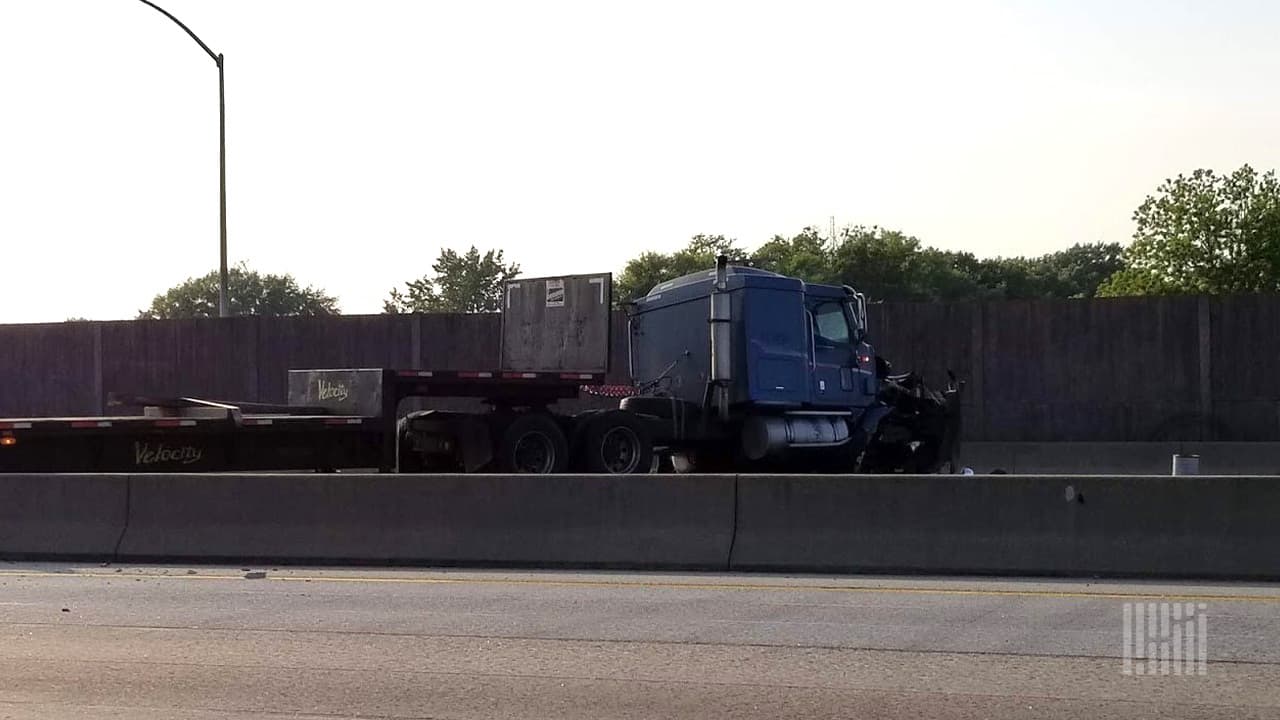
The Supreme Court just told 28,000 freight brokers that they owe a duty of ordinary care in carrier selection. The question every broker, shipper, and 3PL should be asking is not whether they need a carrier vetting process. That question was answered on May 14. The question is: what technology are they using to build one that a jury will believe? The post The carrier vetting tech stack is the new line of defense in freight appeared first on FreightWaves.
Source Lens
Industry Context
Useful background context, but lower-priority than direct platform, community, or operator intelligence.
Impact Level
medium
Use this briefing to decide whether your team needs an immediate workflow, policy, or reporting change.
Key Stat / Trigger
No single quantitative trigger surfaced in this report.
Focus on the operational implication, not just the headline.
Full Coverage
Montgomery v. Caribe Transport is a day old and the freight industry is still processing it. Nine to zero. Unanimous. Brokers can be sued for negligent carrier selection. The FAAAA preemption shield is gone.
I covered the opinion the day it came down and I have written about the insurance gap, the nuclear verdict landscape, and the history of broker liability that the industry conveniently forgot about. All of that matters. The practical question that every broker, shipper, and 3PL should be asking right now is not a legal question. It is an operational one.
How do you build a carrier selection process that meets the standard of ordinary care, and how do you prove to a jury three years from now that you followed it? The answer is technology. Not in the abstract. Not as a concept. As a procurement decision, you need to make this month. Before Montgomery, carrier selection was a business decision.
You picked a carrier based on rate, availability, equipment, lane familiarity, and whatever level of due diligence your operation felt like performing. Some brokers checked SAFER. Some checked SMS scores. Some checked nothing at all and booked the cheapest truck.
The FAAAA preemption defense meant that even if you put a load on a carrier with a conditional safety rating and a driver who had not slept in 20 hours, a plaintiff’s attorney in most jurisdictions could not touch you. The federal shield blocked the claim before it ever reached a jury. window. googletag = window. googletag || {cmd: []}; googletag. cmd.
push(function() {googletag. defineSlot('/21776187881/FW-Responsive-Main_Content-Slot1', [[300, 100], [320, 50], [728, 90], [468, 60]], 'div-gpt-ad-1709668545404-0'). defineSizeMapping(gptSizeMaps. banner1). addService(googletag. pubads()); googletag. pubads(). enableSingleRequest(); googletag. pubads(). collapseEmptyDivs(); googletag.
enableServices(); }); googletag. cmd. push(function() {googletag. display('div-gpt-ad-1709668545404-0'); }); That shield is gone. Every carrier selection decision you make from this point forward is a potential exhibit in a future lawsuit.
The carrier you chose, the data that was available about that carrier at the time you chose them, the process you used to evaluate that data, and whether you followed your own criteria. All of it is discoverable. All of it is admissible.
All of it will be presented to twelve people who do not know the difference between a BASIC score and a batting average but who do understand the concept of someone not doing their job. The legal standard is ordinary care. That is not a high bar in the abstract.
It is a devastating bar when you have no documentation, no process, and no technology to support the claim that you exercised it. Every piece of data a broker needs to vet a carrier is publicly available. SAFER gives you authority status, census data, and safety ratings. SMS gives you BASIC percentile scores, crash rates, and inspection history.
The Licensing and Insurance system gives you insurance filing status, the insurer’s identity, and coverage amounts. The Drug and Alcohol Clearinghouse tracks driver substance abuse violations. All of it is free. All of it is accessible to anyone with an internet connection. The problem is not access. The problem is operationalizing it.
A broker handling 50 loads a day cannot manually check six federal databases for every carrier on every load and document every finding in a timestamped record with a reviewer’s name attached. That is not a workflow. That is a fantasy.
The data exists but the manual process of gathering it, interpreting it, applying consistent criteria, making a documented decision, and retaining the record at scale does not work without technology. That is where carrier intelligence and vetting platforms come into play. And this is no longer a nice-to-have conversation.
This is a procurement decision with direct litigation implications. The carrier vetting technology space has matured significantly over the past several years and the platforms available today take meaningfully different approaches to the same fundamental problem. There is no single tool that does everything.
There are several tools that do specific things well, and the right answer for any given operation depends on what you need, who you are, and how your carrier selection process is structured. window. googletag = window. googletag || {cmd: []}; googletag. cmd. push(function() {googletag.
defineSlot('/21776187881/fw-responsive-main_content-slot3', [[728, 90], [468, 60], [320, 50], [300, 100]], 'div-gpt-ad-1665767553440-0'). defineSizeMapping(gptSizeMaps. banner1). addService(googletag. pubads()); googletag. pubads(). enableSingleRequest(); googletag. pubads(). collapseEmptyDivs(); googletag. enableServices(); }); googletag. cmd.
push(function() {googletag. display('div-gpt-ad-1665767553440-0'); }); Tea Technologies provides a carrier scoring engine that generates a 0-to-100 numeric risk score built from crashes, out-of-service rates, BASIC percentiles, vio
Original Source
This briefing is based on reporting from Freightwaves. Use the original post for full primary-source context.
Style
Audience