

Weaker ocean rates hit Maersk Q1 profit
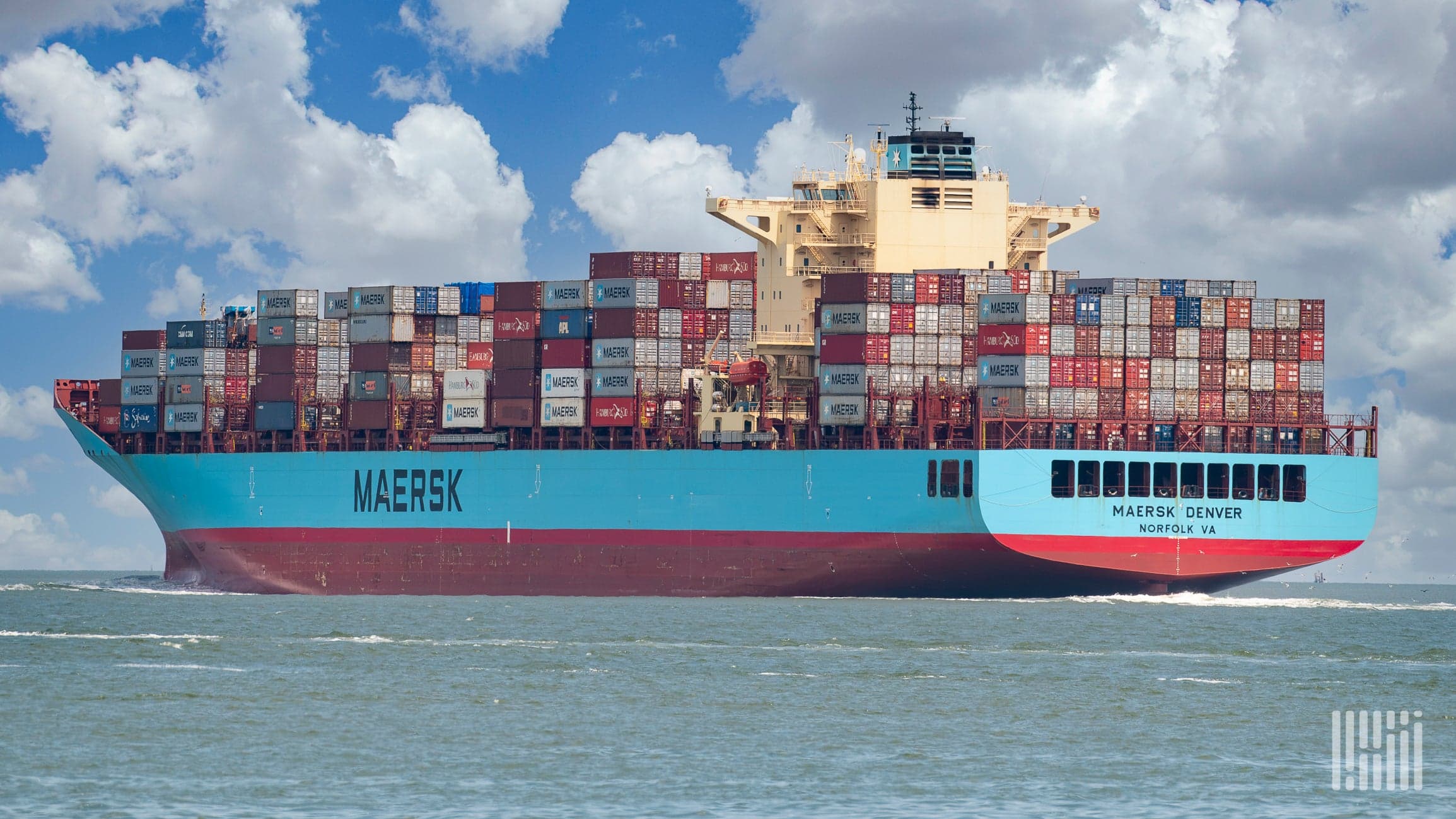
Maersk Q1 profits dropped 74% to $340M as ocean shipping rates fell despite higher container volumes. Geopolitical conflicts and industry overcapacity pressured rates on major east-west shipping routes.
Lower ocean rates could reduce inbound shipping costs for inventory restocking, improving landed costs for Q2-Q3. Monitor your freight forwarder quotes closely as carriers compete aggressively on pricing to fill excess capacity.
Ocean freight overcapacity creates a rare opportunity for sellers to reduce landed costs while carriers battle for market share through aggressive pricing.
Request new shipping quotes from freight forwarders for Q2/Q3 inventory - rates may be 10-15% lower than Q4 2025 quotes.
Increase inventory orders for Q3 peak season now while ocean rates remain suppressed from overcapacity.
Bottom Line
Maersk profit drop signals lower shipping costs for sellers.
Source Lens
Industry Context
Useful background context, but lower-priority than direct platform, community, or operator intelligence.
Impact Level
medium
Maersk profit drop signals lower shipping costs for sellers.
Key Stat / Trigger
EBIT dropped 74% to $340 million
Focus on the operational implication, not just the headline.
Full Coverage
First-quarter profits declined from a year ago, Maersk said, as increased container volumes failed to overcome pressured ocean rates. The world’s second-largest box carrier (OTC: AMKBY) said that logistics and terminal revenue partially offset weaker liner results. Earnings before interest, taxes, depreciation and amortization (EBITDA) slipped to $1.
8 billion from $2. 7 billion, while operating earnings (EBIT) was $340 million, down from $1. 3 billion from the year-ago quarter. EBIT margin slid to 2. 6% from 9. 4%. Geopolitics, demand uncertainty and over-capacity muted rates on benchmark east-west routes in the first quarter.
The Iran conflict and rising fuel costs have lifted box prices in more recent weeks. “We’ve seen strong demand across most regions this quarter, supporting robust volume growth in our three business segments,” said Vincent Clerc, chief executive, in a release. ” Officer at Maersk..
“In Ocean in particular, market volatility remains high and industry oversupply continues to put pressure on rates. In this environment our disciplined focus on cost management contributes to resilient performance.” window. googletag = window. googletag || {cmd: []}; googletag. cmd. push(function() {googletag.
defineSlot('/21776187881/FW-Responsive-Main_Content-Slot1', [[300, 100], [320, 50], [728, 90], [468, 60]], 'div-gpt-ad-1709668545404-0'). defineSizeMapping(gptSizeMaps. banner1). addService(googletag. pubads()); googletag. pubads(). enableSingleRequest(); googletag. pubads(). collapseEmptyDivs(); googletag. enableServices(); }); googletag. cmd.
push(function() {googletag. display('div-gpt-ad-1709668545404-0'); }); Clerc said the carrier’s flexible network, which includes the Gemini Cooperation with Hapag-Lloyd, lowered ocean unit cost by 7% despite disrupted supply chains from the conflict in the Middle East.
The Copenhagen-based company maintained guidance of 2%-4% growth in container volumes in 2026. It added plans to buy back $1 billion in shares this year remains on track. Read more articles by Stuart Chirls here.
Original Source
This briefing is based on reporting from Freightwaves. Use the original post for full primary-source context.
Style
Audience