

Make it make sense: Low demand, rising rates on the trans-Pacific
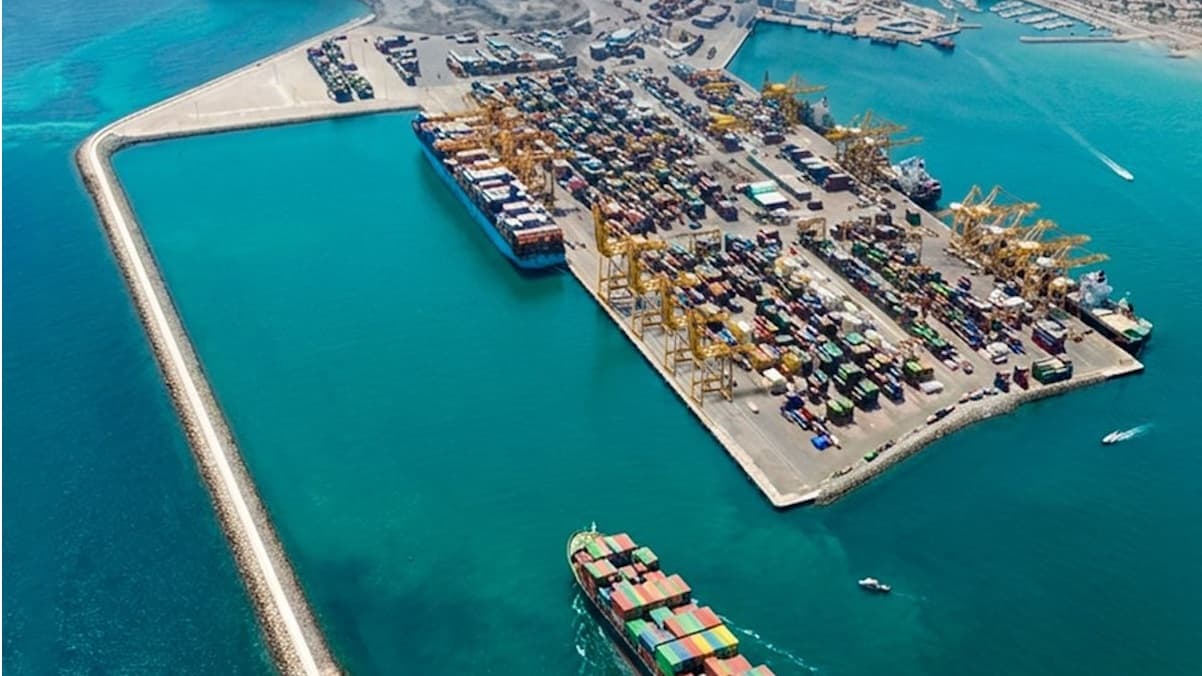
Trans-Pacific shipping rates rose 1-3% to $2,675-$3,939 per container despite low seasonal demand due to Iran war-related fuel costs from Strait of Hormuz closure. Rates are 30-45% higher than pre-war February levels but expected to spike further during June-July peak season.
Rising shipping costs will compress margins before peak season inventory builds, while war-related consumer cost pressures may reduce Q3 demand. Sellers should model higher landed costs now and consider accelerating Q3 inventory orders to May before rates spike further.
This represents the new reality of geopolitical supply chain disruption creating cost inflation that sellers must absorb or pass through to consumers during an already challenging demand environment.
Update product cost models with 30-45% higher shipping costs from Asia -- if margins drop below 20%, consider price increases or supplier changes.
Place Q3 peak season inventory orders by end of May to avoid June-July rate spikes that could add $500+ per container.
Bottom Line
Trans-Pacific shipping costs up 30-45% means higher landed costs before peak season.
Source Lens
Industry Context
Useful background context, but lower-priority than direct platform, community, or operator intelligence.
Impact Level
high
Trans-Pacific shipping costs up 30-45% means higher landed costs before peak season.
Key Stat / Trigger
$2,675-$3,939 per container for trans-Pacific shipping
Focus on the operational implication, not just the headline.
Full Coverage
The stalemate in the Iran war has been anything but for ocean container spot rates on the trans-Pacific.
While there has been little diplomatic progress between Washington and Tehran toward ending the conflict, the ongoing blockade of the Strait of Hormuz by United States forces has been fueling (pun intended) higher ocean prices during a traditional lull prior to the start of the peak shipping season. Asia-U. S.
West Coast spot rates increased 1% to $2,675 per forty foot equivalent unit (FEU), according to the Freightos Baltic Index. Asia-U. S. East Coast prices rose 3% to $3,939 per FEU. The SONAR Ocean Booking Index shows a gradual climb from the start of the war Feb. 28, just after the conclusion of Lunar New Year, from 16,166 to 22,951.
“Increased fuel costs from the Strait of Hormuz closure continues to keep container rates elevated during the post-Lunar New Year, pre-peak season, low demand season for ocean freight when prices normally reach their floor for the year,” said Freightos (NASDAQ: CRGO) Research Head Judah Levine, in a note to clients.
“Even with this pressure, however, rates are well below spikes caused by recent disruptions like the Red Sea crisis and trade war frontloading.” That contrasts with Asia-Europe rates that eased 3% to both North Europe and the Mediterranean.
While prices on both lanes climbed by several hundred dollars in the first weeks of the war, North Europe rates of $2,668 per FEU are just 8% higher than before the war and Mediterranean prices at $3,527 per FEU are 3% lower than in late February, Levine said.
He noted that Maersk (OTC: AMKBY) recently cancelled an upcoming general rate increase (GRI) for Asia-Europe, and carriers have started to announce more blanked sailings, to manage capacity.
“War-related rate increase attempts have not succeeded in keeping prices on these lanes much above their pre-war baselines,” said Levine, “but upward pressure from the conflict is likely keeping rates higher than they otherwise would be.”
Asia-Europe rates are more than 15% higher year-on-year for both lanes, and more than 50% above October levels, the most recent low-demand period. Slowly improving demand has helped carriers steadily push up rates on the trans-Pacific and prevent backsliding since late February.
The current West Coast price is 45% higher than at the start of the war, and almost 90% higher than post-peak season levels back in October. East Coast prices are 30% higher than pre-war, and 30% better than October.
“Nonetheless, even with these increases, the low demand and high capacity environment – and possibly the moderate easing of oil and bunker rates compared to earlier highs since the start of the war in Iran – has not allowed rates to rise to the full announced GRI or various surcharge levels,” he said.
At the same time, the Persian Gulf crisis this week sent oil prices to new record highs as Brent crude increased to $121 a barrel for June contracts. The volatile market has in turn pushed up prices at U. S. pumps, to well over $5 a gallon for diesel.
Levine said that the next significant rate increases across these lanes could come in June or July with the start of peak season. But, he added, war-related rising costs for consumers could damp shipper expectations and depress peak season volumes. Read more articles by Stuart Chirls here.
Original Source
This briefing is based on reporting from Freightwaves. Use the original post for full primary-source context.
Style
Audience