

EU crackdown on small parcel imports kicks in
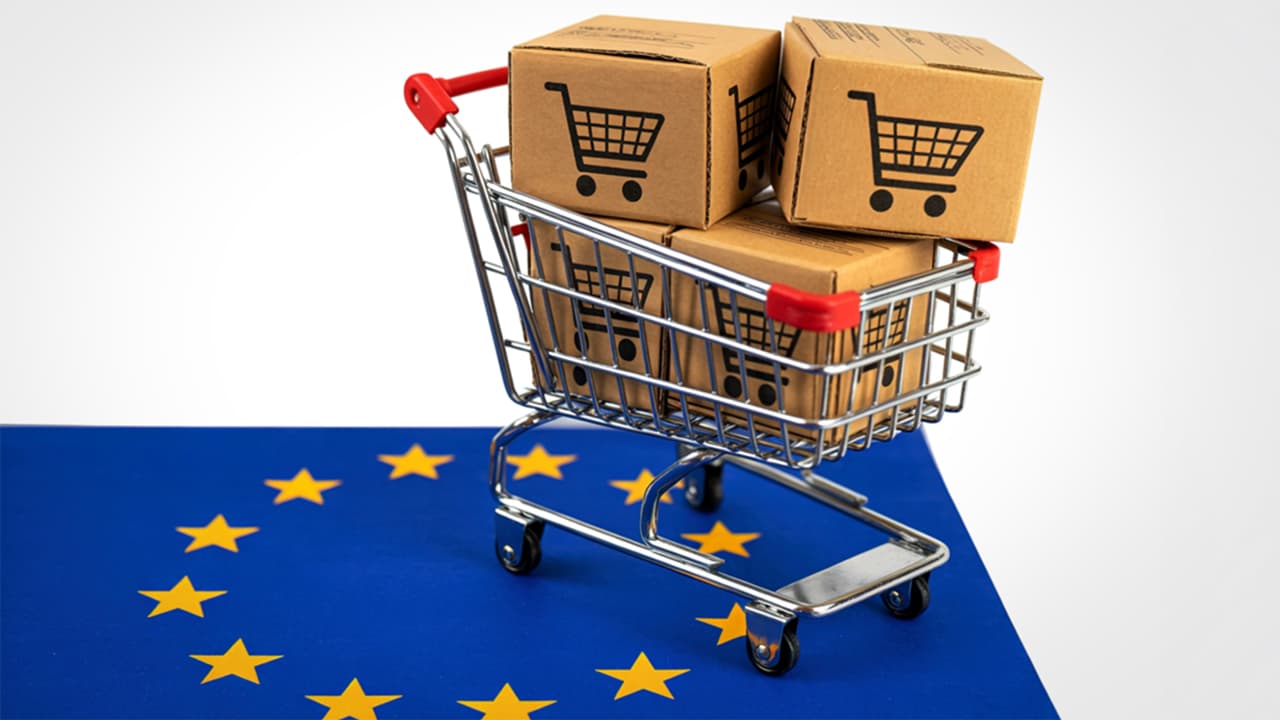
Cheap parcels entering the European Union are subject to a 3 euro customs fee as of July 1, forcing retailers to overhaul internal systems to ensure compliance and raising questions about whether shoppers will be put off by higher fees passed through to them. The post EU crackdown on small parcel imports kicks in appeared first on FreightWaves.
Source Lens
Industry Context
Useful background context, but lower-priority than direct platform, community, or operator intelligence.
Impact Level
medium
Use this briefing to decide whether your team needs an immediate workflow, policy, or reporting change.
Key Stat / Trigger
No single quantitative trigger surfaced in this report.
Focus on the operational implication, not just the headline.
Full Coverage
E-commerce retailers and logistics providers are scrambling to comply with new European Union customs rules and fees, effective Wednesday, aimed at addressing concerns over tariff fairness, undercutting domestic manufacturers, and product safety associated with a wave of low-value imports entering the bloc through parcel channels.
The cross-border parcel and air cargo sectors potentially faces a great upheaval after the European Council in February finalized legislation to eliminate the duty exemption for goods valued below 150 euros ($171) and require more shipping data, replicating the U. S. government’s decision a year ago to revoke duty-free privileges for small-dollar shipments.
The U. S. goal was to stop low-cost, subsidized and unethically-sourced Chinese imports from undercutting U. S. manufacturers and retailers, as well as drug smuggling. Ending duty-free status for parcels also fits with the Trump administration’s protectionist policy of raising tariffs across the board. The higher cost of entry into the U. S.
market pushed a huge amount of e-commerce traffic to Europe, contributing to the rise in demand authorities there are trying to manage. Each B2C parcel entering the EU will be subject to a flat 3 euro ($3. 41) charge per product category (e. g. two T-shirts=one item) within a parcel.
The EU is preparing to add a processing fee in November, estimated to be between 2 euros to 3 euros, to help pay for customs operations. A single order could incur fees of more than $10.
25 if the goods aren’t identical and subject to different tariff classifications, according to logistics providers — forcing merchants to overhaul product classification systems and checkout pricing.
A big question is whether higher shipping costs will change shopping behavior For most cross-border merchants, a $100 apparel order with three items under different classification codes shipping into the EU will carry roughly 20% in added duties and fees by November, international e-commerce services provider Flavorcloud said in a blog post.
For a retailer shipping 10,000 such parcels per month, the difference between one and three declaration lines per shipment is $68,000 in monthly duty exposure, said Alison Layfield, director of product development at ePost Global, on the company’s website.
The flat duty remains in effect until July 1, 2028, when normal customs duties, based on each product’s classification, are expected to apply instead. In 2025, $5. 8 billion in low-value parcels were imported in the EU, up from 4. 6 billion in 2024 and a 314% increase since 2022. Most parcels are from China.
Popular e-commerce exporters include fast fashion seller Shein, and marketplaces like Temu, JD. com and Ali Express.
Since the spring, online marketplaces have front-loaded shipments to clear the EU border under current rules, contributing to upward pressure on Asia-Europe air cargo rates from the Iran war that have already exceeded last year’s peak season highs. It’s unclear whether the elimination of de minimis will dampen e-commerce volumes in Europe.
Demand for ultra-low cost parcel shipping is very price sensitive, but platforms learned how to adapt following the U. S. rule change last year.
Large retailers and marketplaces are doing more local fulfillment instead of shipping individual parcels from origin after securing in-country warehouses and shipping goods to them in bulk through traditional air and ocean container channels. Experts say retailers will have to reevaluate their pricing models.
Brands with a high volume of orders with a low average value could experience the greatest impact and may decide that certain SKUs are not commercially viable to ship from outside the EU. But someone ordering $180 worth of apparel may be less deterred by an extra $10 fee. Italy, France and Romania introduced national handling fees ahead of the EU-wide rule.
Those fees will stack on top of the EU fee, but France on Tuesday said it will withdraw its fee to have a united market approach.
Within days of France imposing a 2 euro parcel tax on March 1, small parcel volume for customs clearance at Paris-Charles de Gaulle airport, the country’s largest air cargo hub, dropped by 92%, according to French customs authorities.
Many cargo aircraft were rerouted in the first week to Belgium, Spain, Germany and the Netherlands, where the fee didn’t yet apply. With an even playing field across the EU those types of diversions won’t work anymore.
The United Kingdom, however, could become a magnet for low-cost foreign goods as it doesn’t plan to change its de minimis requirement until March 2029, making the market more attractive than the EU to e-commerce sellers. More countries are going to follow the U. S.
lead on applying tariffs to small-dollar shipments after seeing how the government was able to collect billions of dollars in import taxes, according to Fabrizio Alvear, co-founder and president of ePost Global. “If there’s 10 million parcels B2C parcels a day going
Original Source
This briefing is based on reporting from Freightwaves. Use the original post for full primary-source context.
Style
Audience