How to Run Amazon DSP for Clients Who Don’t Sell on Amazon
Amazon DSP is fully accessible to brands with no Amazon listings, letting off-Amazon advertisers (SaaS, hotels, healthcare, DTC) target Amazon's first-party shopper data and drive traffic directly to external sites. Agencies can now offer this as a standalone service without requiring clients to sell on Amazon.
Amazon is aggressively expanding its ad revenue beyond marketplace sellers, monetizing its first-party data across verticals — this is direct competition to Google Display and programmatic DSPs for audience-based buying.
Most agencies are leaving money on the table by pitching Amazon DSP only to marketplace sellers — the real growth is landing non-endemic clients (local service businesses, B2B SaaS, hospitality) who have bigger budgets and no existing DSP competition. Build a separate agency service tier around lead-gen and booking campaigns, priced on CPL or CPA, not ROAS.
Operational Impact
This story may require teams to revisit workflows, monitoring, or platform assumptions.
Bottom Line
Amazon DSP without an Amazon store is a real agency revenue stream now.
Source Lens
Industry Context
Useful background context, but lower-priority than direct platform, community, or operator intelligence.
Impact Level
medium
Amazon DSP without an Amazon store is a real agency revenue stream now.
Key Stat / Trigger
No single quantitative trigger surfaced in this report.
Focus on the operational implication, not just the headline.
Full Coverage
Amazon DSP for non-Amazon sellers helps brands reach high-intent audiences without selling on Amazon. Yet many advertisers still assume Amazon DSP only works for marketplace sellers. It doesn’t.
Whether you run campaigns for a SaaS company, hotel, university, automotive brand, healthcare provider, or DTC business, Amazon DSP for brands not selling on Amazon gives you access to Amazon’s first-party audience data without requiring a single product listing.
Instead of driving traffic to Amazon, you can send shoppers directly to your own website, landing page, booking engine, or app. The conversion happens off Amazon. The audience intelligence still comes from Amazon.
That’s why Amazon DSP for off-Amazon brands has become a powerful acquisition channel for businesses focused on leads, bookings, subscriptions, and website sales.
This guide explains how Amazon DSP for non-Amazon sellers works, which businesses benefit the most, how to structure campaigns, and how to measure success when every conversion happens outside Amazon. Quick GuideCan You Use Amazon DSP Without Selling on Amazon? How Amazon DSP Works for Off-Amazon BrandsWhich Off-Amazon Brands Are a Good Fit for Amazon DSP?
What You Need Before Launching Amazon DSP for a Non-Amazon SellerHow to Set Up Conversion Tracking for Clients Who Don’t Sell on AmazonHow to Build the Right Amazon DSP Audience StrategyHow to Structure Amazon DSP Campaigns for Off-Amazon BrandsChoosing the Right Amazon DSP Inventory and Ad FormatsHow to Allocate Budget Across the FunnelHow to Measure Amazon DSP Performance Without Amazon Sales DataHow Amazon Marketing Cloud Changes DSP Measurement for Non-Amazon SellersHow SellerApp Helps Agencies Run Amazon DSP for Off-Amazon BrandsFinal Takeaway: Amazon DSP Is No Longer Just for Amazon SellersFAQ Can You Use Amazon DSP Without Selling on Amazon?
Yes. One of the biggest misconceptions about Amazon DSP for non-Amazon sellers is that advertisers need an Amazon storefront or Amazon product listings before they can run campaigns. They don’t. Amazon DSP lets brands advertise across Amazon-owned properties and premium third-party inventory while sending traffic directly to their own websites.
Whether your goal is generating leads, booking appointments, selling through Shopify, or driving app installs, the customer never needs to purchase on Amazon. Imagine a luxury resort promoting holiday packages. Guests don’t book through Amazon. But Amazon knows which shoppers are researching luggage, beachwear, flights, and travel accessories.
Using Amazon DSP for brands without Amazon listings, the resort can reach those high-intent audiences and drive them straight to its booking page. For agencies, this means Amazon DSP for non-marketplace sellers is no longer a niche offering. It’s a scalable way to reach qualified audiences before they actively search for a brand.
How Amazon DSP Works for Off-Amazon Brands The biggest difference between Amazon DSP for non-Amazon sellers and Sponsored Ads is where the customer converts. Sponsored Ads drive shoppers to Amazon product pages.
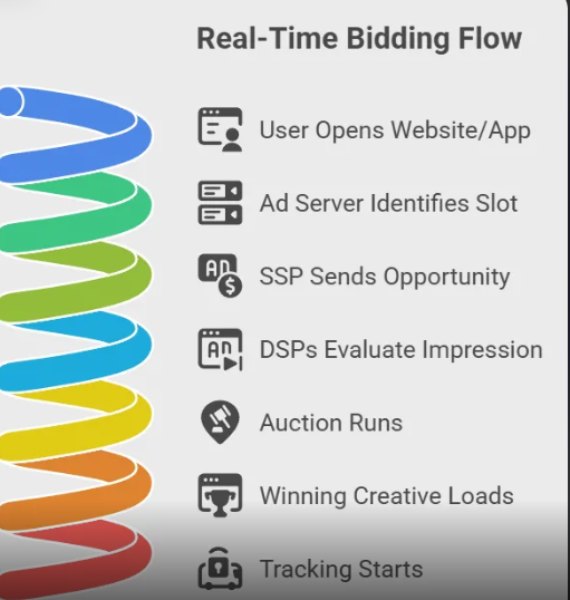
Amazon DSP for off-Amazon brands uses Amazon’s first-party audience data to reach high-intent shoppers and directs them to an external website, landing page, app, or booking portal. Amazon DSP for off-Amazon brands The process is simple: Define a business goal such as lead generation, bookings, website sales, or app installs.
Build audiences using Amazon’s shopping signals, interests, demographics, and in-market behavior. Deliver ads across Prime Video, Twitch, Fire TV, IMDb, Amazon-owned properties, and premium third-party websites. Drive users to your own website, where the conversion takes place.
For example, a SaaS company can target IT professionals researching enterprise software and direct them to a demo request page. A hotel chain can reach travelers browsing luggage and holiday essentials before sending them to its booking website. The value of Amazon DSP for brands not selling on Amazon isn’t the marketplace.
It’s Amazon’s ability to identify high-intent audiences before they actively search for your business. Which Off-Amazon Brands Are a Good Fit for Amazon DSP? Amazon DSP for non-Amazon sellers is ideal for brands with longer buying journeys where customers research before converting.
Instead of relying on Amazon product pages, brands can drive bookings, leads, subscriptions, or purchases directly on their own websites. According to SellerApp’s State of Amazon Advertising 2026, Amazon DSP’s share of Amazon ad spend grew from 17. 7% to 23. 4% in 2025, while 36. 5% of DSP-attributed purchases came from new-to-brand customers.
That makes Amazon DSP for brands that don’t sell on Amazon a strong acquisition channel, not just a retargeting platform. IndustryPrimary Campaign GoalRecommended Conversion EventBest DSP FormatTravel & HospitalityBookingsCompleted reservationStreaming TV, DisplaySaaS & TechnologyLead GenerationDemo requestDisplay, Online VideoAutomotiveTest DrivesBooking
Pitch Amazon DSP to your non-Amazon clients immediately — set up Amazon Marketing Cloud to track off-site conversions via pixel, then report on CPL and site visit quality instead of ROAS.
In the next 30 days, create a one-page DSP proposal template for non-endemic verticals (hospitality, healthcare, SaaS) with budget minimums (~$10K/month) and off-Amazon KPI benchmarks to close faster.
Original Source
This briefing is based on reporting from SellerApp Blog. Use the original post for full primary-source context.
Style
Audience