

July 4 holiday period exposes supply chain vulnerabilities
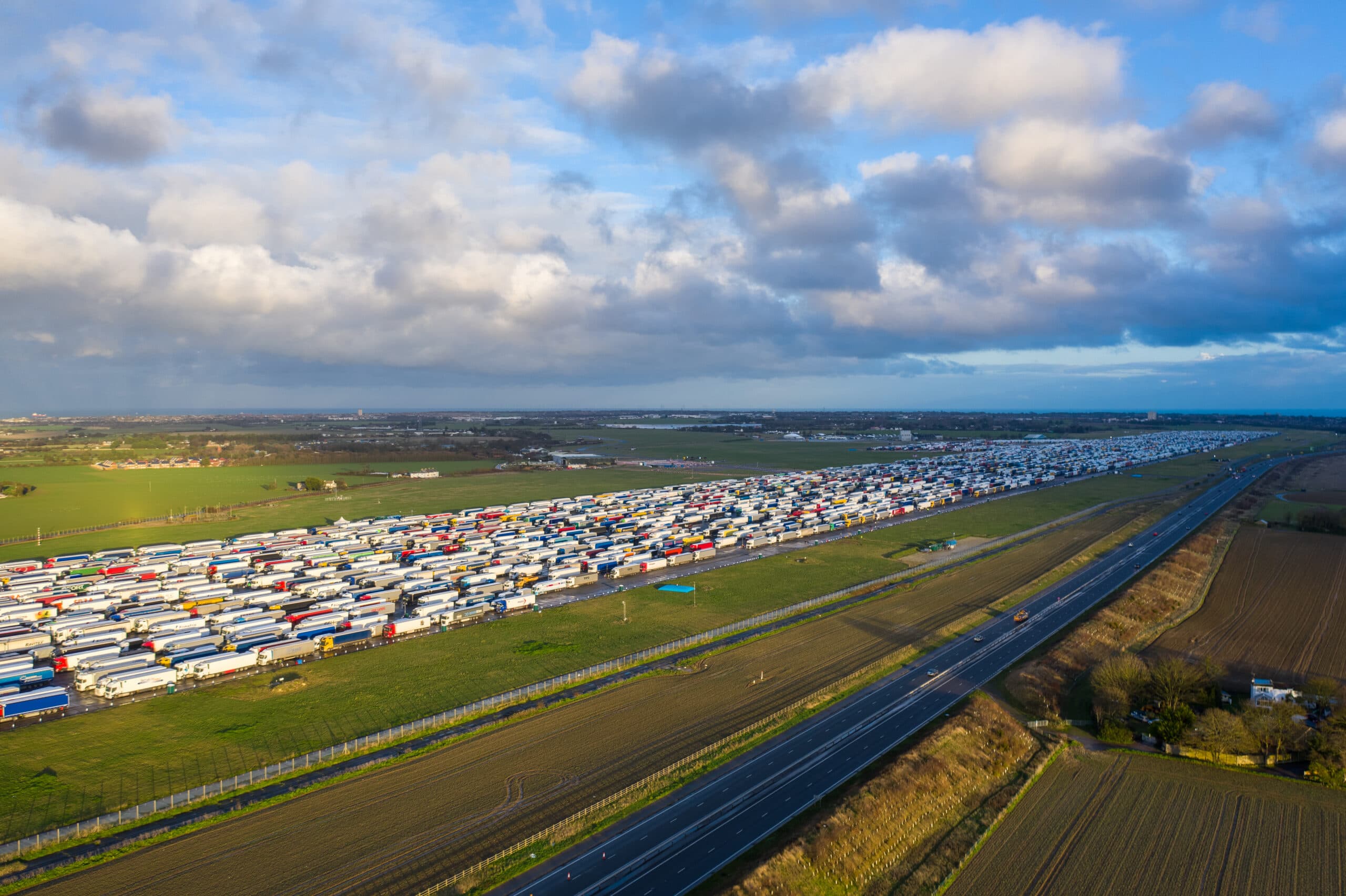
The July 4 holiday doesn't create supply chain vulnerabilities. It exposes them. As freight sits unattended and operations slow down, security experts warn that organized theft groups are watching closely. The post July 4 holiday period exposes supply chain vulnerabilities appeared first on FreightWaves.
Source Lens
Industry Context
Useful background context, but lower-priority than direct platform, community, or operator intelligence.
Impact Level
medium
Use this briefing to decide whether your team needs an immediate workflow, policy, or reporting change.
Key Stat / Trigger
No single quantitative trigger surfaced in this report.
Focus on the operational implication, not just the headline.
Full Coverage
As warehouses prepare for extended holiday closures and trailers begin accumulating in yards ahead of the Fourth of July weekend, the transportation industry is entering what some security professionals consider one of the highest-risk periods of the year for cargo theft.
The combination of reduced staffing, longer dwell times and unattended freight creates conditions that organized theft groups have historically exploited. According to a reader-submitted article provided to FreightWaves, these holiday disruptions do not create new vulnerabilities.
Instead, they expose operational weaknesses that already exist throughout the supply chain. Historical cargo theft data supports those concerns.
In a Fourth of July security advisory published last year, Verisk CargoNet warned that extended holiday closures create favorable operating conditions for cargo thieves and identified the July 1-7 period as one of the most active cargo theft windows of the year.
CargoNet’s analysis found that warehouses, distribution centers, truck stops and unattended trailers are among the locations most frequently targeted during holiday periods when normal operations are disrupted.
While the advisory was published ahead of the 2024 holiday period, CargoNet said the operational conditions that create risk during extended holiday closures remain consistent from year to year.
Holiday disruptions create opportunities The warning comes from Guy Yehiav, president of SmartSense by Digi, who argues that holiday weekends serve as a stress test for supply chain security.
In the submitted article, Yehiav contends that warehouses operating with limited personnel, trailers sitting idle for extended periods and delayed shipment movement create opportunities for theft groups looking to target freight during periods of reduced oversight. The concern extends beyond a single holiday weekend.
Cargo theft has remained a persistent issue across North American supply chains, drawing increased attention from transportation providers, retailers, insurers and lawmakers.
Industry stakeholders have increasingly warned that organized theft operations are becoming more sophisticated and better coordinated, forcing companies to rethink how they protect freight while it is in transit and storage.
According to Yehiav, many organizations still focus heavily on recovery after a theft occurs rather than identifying operational vulnerabilities before losses happen.
He argues that holiday periods simply magnify existing weaknesses because freight spends more time sitting still, facilities often operate with reduced staffing and oversight is frequently stretched across larger geographic areas.
The challenge of detecting theft early According to the submission, some of the greatest opportunities for cargo theft occur during transportation handoffs, overnight stops, trailer storage periods and last-mile staging operations where freight may remain stationary for extended periods.
In many cases, organizations do not immediately recognize that a shipment has been compromised. Instead, losses are often discovered only after a shipment fails to arrive at its destination, inventory discrepancies emerge or products become unavailable for customers.
Yehiav argues that delays in detection often make recovery efforts significantly more difficult. By the time companies recognize that freight has been stolen, the cargo may have already entered secondary distribution channels.
He contends that organizations should focus on identifying unusual activity while shipments are still moving rather than relying solely on post-incident reporting and documentation. The article also highlights the importance of operational visibility and rapid response when freight movement deviates from established plans.
Yehiav noted that route deviations, unauthorized stops, unexpected trailer access and other anomalies can serve as early warning signs that intervention may be necessary. According to Yehiav, collecting data alone is not enough if organizations lack the procedures necessary to act on that information in real time.
Prevention before recovery The discussion comes as lawmakers continue examining ways to address organized cargo crime.
Yehiav pointed to the Combating Organized Retail Crime Act, known as CORCA, as evidence that policymakers are increasingly recognizing cargo theft as an interstate issue that requires greater coordination among federal, state and local law enforcement agencies.
Supporters of the legislation have argued that organized theft groups frequently operate across multiple jurisdictions, making coordinated investigations and intelligence sharing critical to disrupting criminal networks.
While Yehiav described the legislation as a positive development, he argued that enforcement efforts alone cannot eliminate losses once freight has already been stolen. Click here for more articles on cargo theft and freight fraud by Phillip Brink. Eight indicted in alleged carrier impersonatio
Original Source
This briefing is based on reporting from Freightwaves. Use the original post for full primary-source context.
Style
Audience