

U.S.-Iran peace deal reopens Strait of Hormuz
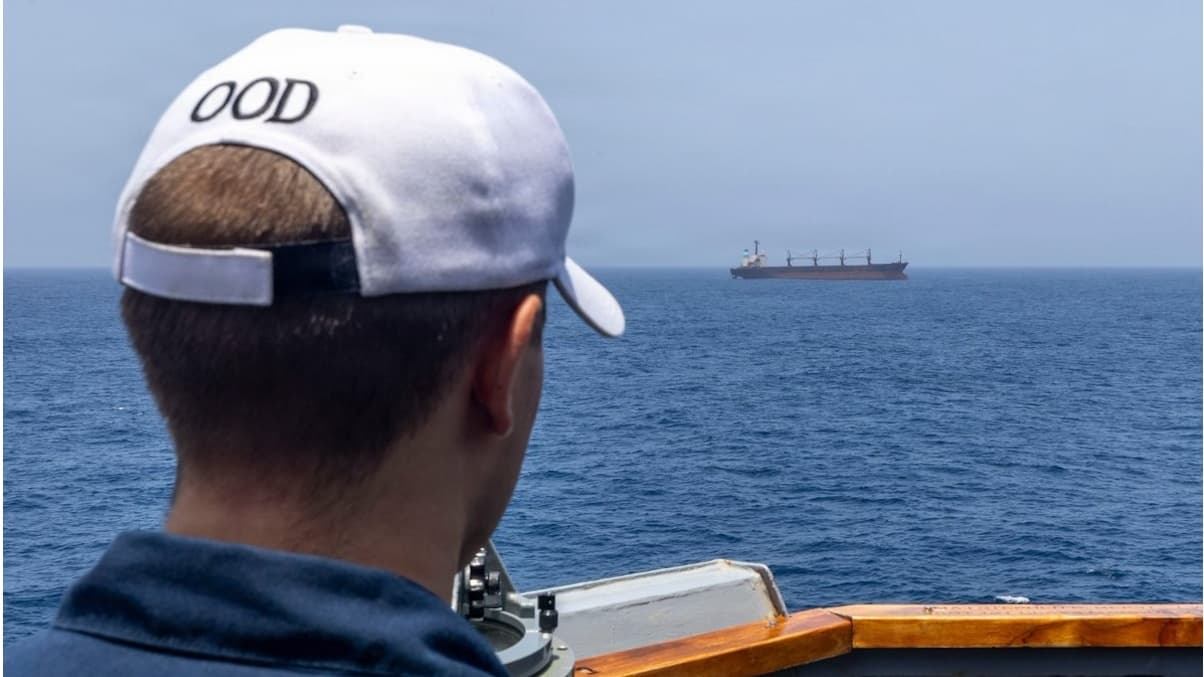
The United States and Iran announced an agreement to end the war in the Arabian Gulf, but it could take months for shipping and logistics to normalize. The post U.S.-Iran peace deal reopens Strait of Hormuz appeared first on FreightWaves.
Source Lens
Industry Context
Useful background context, but lower-priority than direct platform, community, or operator intelligence.
Impact Level
medium
Use this briefing to decide whether your team needs an immediate workflow, policy, or reporting change.
Key Stat / Trigger
No single quantitative trigger surfaced in this report.
Focus on the operational implication, not just the headline.
Full Coverage
The United States and Iran reached agreement on a deal to end the war and lift restrictions on the vital Strait of Hormuz that stranded thousands of ships in the Persian Gulf. Reports said that the memorandum of understanding, the terms of which were not released, will be signed June 19.
It would suspend sanctions on Iran oil, release $24 billion in frozen Iranian assets, and provide 60 days for the two countries to hash out a permanent settlement that includes Tehran’s nuclear program. The U. S. within 30 days will lift its blockade of the strait, through which 20% of the world’s crude oil supply flows.
The conflict also throttled shipping of fertilizer and other chemicals, to the point where fears of shortages led President Donald Trump to temporarily suspend the Jones Act. That allowed foreign ships to carry gas and fertilizer between Gulf Coast producers, inland ports and northeast markets.
The war impacted fuel and gas production in the Persian Gulf, pushing bunker prices sharply up ahead of the peak shipping season. Analysts say it will likely be months until capacity can be normalized across the supply chain. At the same time, thousands of mines laid in the Gulf will have to be cleared to provide a safe path for shipping.
“A full return to pre-crisis normality will likely take two to three months,” said analyst Lars Jensen. “Not just because vessel rotations need to be altered, but we also need to see empty return patterns normalized. Plus, there will be cargo ready to ship into the Gulf which has been waiting elsewhere for a few months until an opening happened.
This can create a surge problem and associated bottleneck issues.” Read more articles by Stuart Chirls here.
Original Source
This briefing is based on reporting from Freightwaves. Use the original post for full primary-source context.
Style
Audience