

UPS to close 27 additional parcel facilities in 2026
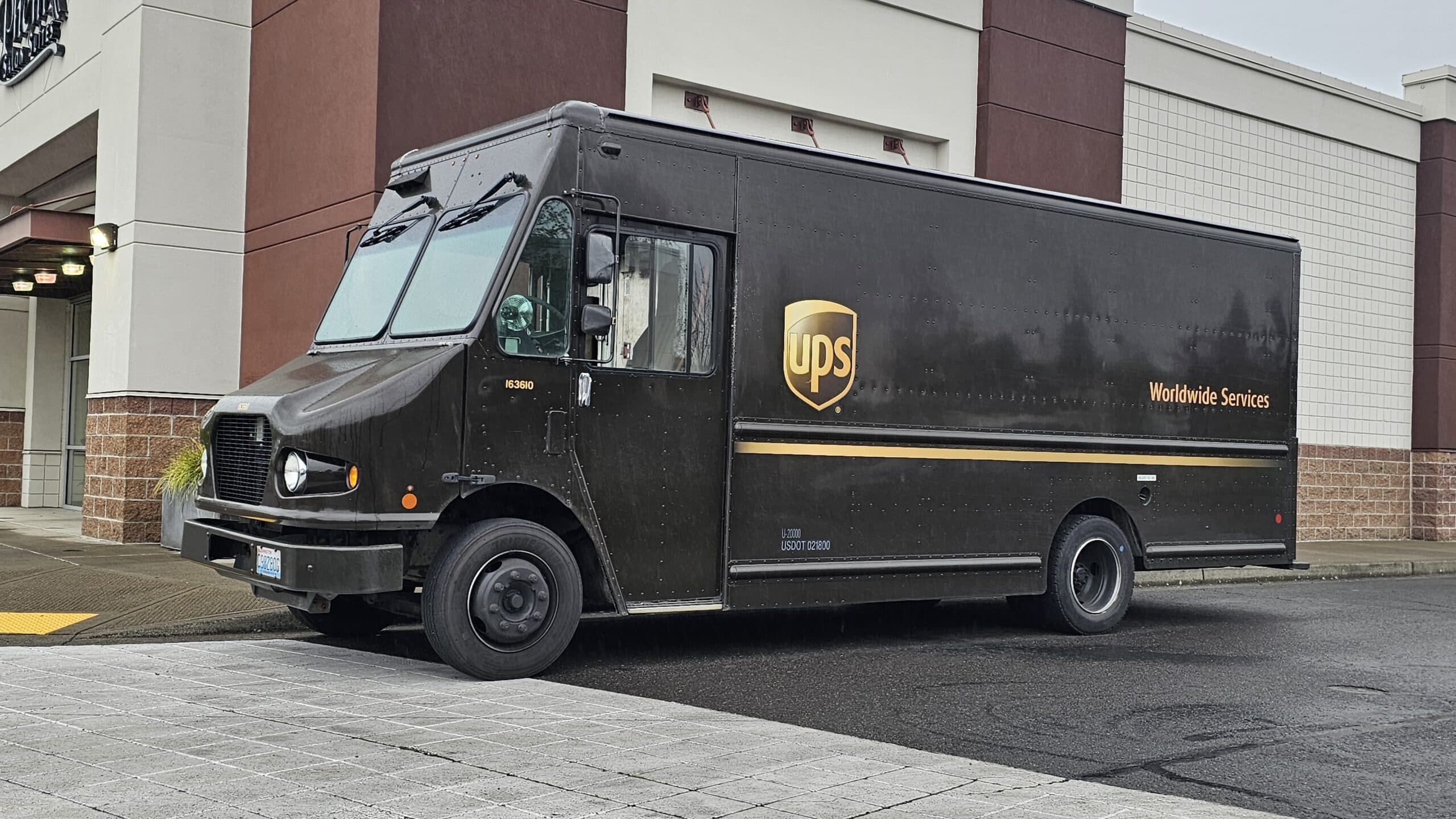
UPS is closing 27 additional parcel facilities in 2026 and reducing Amazon volume by 2 million pieces per day by mid-year, cutting Amazon from 13% to 8.8% of total volume. The company is eliminating 30,000 positions while targeting $3 billion in cost reductions.
Reduced UPS capacity could mean longer delivery windows and higher shipping costs for sellers using UPS services. Check your shipping analytics now - if UPS handles significant volume, diversify carriers before capacity constraints hit peak season.
This reflects broader logistics consolidation as carriers prioritize profitable segments over low-margin e-commerce volume, potentially increasing fulfillment costs across all platforms.
Audit shipping carrier mix in your fulfillment settings - if UPS is above 30% of volume, add FedEx or regional carriers as backup options.
Review Q2-Q3 shipping contracts with 3PLs to lock rates before UPS capacity reductions create pricing pressure.
Bottom Line
UPS facility closures mean higher shipping costs and delays for sellers.
Source Lens
Industry Context
Useful background context, but lower-priority than direct platform, community, or operator intelligence.
Impact Level
medium
UPS facility closures mean higher shipping costs and delays for sellers.
Key Stat / Trigger
27 additional facilities closing in 2026
Focus on the operational implication, not just the headline.
Full Coverage
United Parcel Service plans to close an additional 27 parcel distribution centers this year as the company continues its aggressive cost restructuring to better align capacity with lower volumes and boost profitability, which fell 25% during the first quarter as short-term cost pressures outweighed growth in revenue per piece.
The integrated parcel delivery and logistics powerhouse completed 23 of 24 previously announced facility closures during the period and is on track to achieve its target of eliminating $3 billion in structural cost this year, company executives said during a Tuesday conference call with analysts to discuss first-quarter earnings.
Other elements of the network reconfiguration include reducing 25 million labor hours and 30,000 positions through a combination of downsizing and automation.
The UPS (NYSE: UPS) downsizing is closely correlated with last year’s strategic decision to reduce ties with Amazon, its largest customer, and other B2C e-commerce platforms with low-yielding shipments and instead concentrate on premium segments, such as small-and-medium businesses, B2B, healthcare, automotive, electronics and returns logistics.
During the first quarter, UPS reduced Amazon (NASDAQ: AMZN) volume by 500,000 pieces per day. By mid-year, UPS will have shed 2 million pieces per day in Amazon volume and $5 billion in revenue. Amazon represents 8. 8% of UPS volume, down from more than 13% prior to last year. “The market has changed and we’re adapting to it.
We’re overturning the old industry assumption that scale alone drives profitability. Instead, we’re focused on premium segments like SMB, B2B and complex healthcare,” CEO Carol Tomé said. “Our strategy is working. … Volume and premium customer wins are driving meaningful revenue per piece growth.”
UPS generated $3 billion in quarterly revenue from its healthcare logistics services for the first time during the January-to-March period. The growing trend of pharmaceutical companies shipping GLP-1 weight loss drugs direct to consumers rather than to distributors is another opportunity for UPS to gain business in the sector, she added.
Chief Financial Officer Brian Dykes said UPS will close 27 additional facilities this year, most of them in the second quarter. UPS reported consolidated revenue declined 1. 4% to $21. 2 billion, primarily due to an expected reduction in domestic volume (-8%), and adjusted operating profit of $1. 3 billion. Total domestic air volume was down 8.
9% and ground volume fell 7. 9% because of the Amazon draw down. Adjusted earnings per share of $1. 07 was down 28% year over, but ahead of Wall Street expectations. Domestic revenue fell 2. 3% even as fuel surcharges and higher-quality customers drove up per-piece revenue by 6. 5%.
A better customer and product mix contributed to improved domestic revenue per unit. Average daily volume from smaller firms, who typically require more support and ship longer distances because they lack warehouses for regional distribution, increased 1. 6% year over year. In the first quarter, small-and-medium businesses represented 34. 5% of total U. S.
parcel volume, the group’s best penetration in UPS history. Higher domestic yields were more than offset by new expenses, including the lease of third-party aircraft to compensate for the grounding — and subsequent retirement — of 27 MD-11 freighters following a fatal November crash, the transition of Ground Saver volumes back to the U. S.
Postal Service under a new last-mile delivery agreement, inclement weather and higher casualty insurance. Those factors forced UPS to pay $350 million in extra costs, increasing the cost-per-piece by 9. 5% year over year, said Dykes.
In the first quarter, UPS tendered about 977,000 packages per day to the Postal Service, which represents about 44$ of the Ground Saver volume. The work flow ramped up over time because the companies had to coordinate labeling and other steps.
UPS expects to tender about 1 million packages per day to the Postal Service during the second quarter, the CEO said.
Responding to a question about the USPS’s recent imposition of a temporary 8% transportation surcharge on parcel shipments, Tomé said, “The postal system tends to set the floor for the economy product, which is actually pretty good for the whole industry if they’re raising prices.”
Management reiterated expectations for profit growth in the second half as most restructuring and temporary pressures are behind them, while the shift to more profitable B2B delivery and logistics services gains momentum.
During the current quarter, the company expects to complete the Amazon glide down, scale back the use of outsourced airlift as it brings on previously ordered Boeing 767 freighters and eliminate transitional costs associated with the Ground Saver handoffs to the USPS — moves that will save the company money.
The extensive deployment of RFID tracking sensors across the parcel network and the expansion of drop-off locations for subsidiary Happy Returns are the types of upgrades that will retain and attract customers interested in premium service, Tomé said. One of the key areas where UPS continues to support Amazon is returns.
Amazon shoppers can use UPS Store, Staples, Ulta Beauty and other authorized shipping outlets for no-box, no-label returns that are handled by Happy Returns and moved by UPS vehicles. Earlier this month, UPS agreed to cap its $150,000 voluntary buyout program for delivery and truck drivers at 7,500 individuals after opposition from the Teamsters union.
Nearly 80% of the drivers who qualified for a severance package will leave in April. Tomé pushed back on suggestions the Teamsters undercut UPS’s plans, saying the target from the outset was to eliminate 7,500 positions. International International package revenue increased 3. 8% to $4. 5 billion as revenue per piece increased 10. 7% on a 6% drop in volume.
Average daily domestic deliveries within foreign countries decreased 6. 6% compared to last year led by a decline in Europe and international export volumes fell 5. 5%. Most of the export decline was on trade lanes to the United States, where imports surged a year ago as businesses rushed to beat proposed U. S.
tariffs and making year-over-comparisons more difficult than under normal circumstances. U. S. imports were down 16. 4%, led by a 22. 5% average daily decline from Europe and an 18. 3% decline from China, FedEx’s most profitable trade lane. The effect from the April 2025 tariff bump and subsequent U. S.
elimination of the de minimis exemption for small parcels will recede as the year goes on, making results in subsequent quarters look better by comparison.
Tomé said the cross-border results were better than expected given geopolitical headwinds and noted that the Supreme Court’s ruling striking down Trump administration tariffs using emergency powers could result in increased import activity this year.
The Iran war has incrementally raised costs for FedEx because of the need to reconfigure its network to avoid flying over dangerous airspace, which has increased flying time, fuel consumption and pilot compensation, management said. The company reiterated full-year guidance of adjusted operating margin of 9.
6% and flat year-over-year revenue growth, saying improved revenue sources and higher productivity will drive margin improvement. Second-quarter revenue is projected to be up in the low single digits along with operating margin of 7. 5% to 8. 5%. Click here for more FreightWaves/American Shipper stories by Eric Kulisch.
Write to Eric Kulisch at ekulisch@freightwaves. com.
RELATED STORIES: UPS caps driver buyouts at 7,500 after Teamsters pushback UPS-owned Happy Returns expands network to 10,000 drop-off locations UPS projects to boost capacity at 3 Asia air hubs UPS expands deployment of automated package sensors to improve tracking Amazon overtakes US Postal Service as largest parcel carrier US Postal Service wants retailers to compete for last-mile delivery USPS quarterly parcel volumes fall 12% as e-commerce plan implemented FedEx doubles down on premium e-commerce, delivery surcharges The post UPS to close 27 additional parcel facilities in 2026 appeared first on FreightWaves.
Original Source
This briefing is based on reporting from Freightwaves. Use the original post for full primary-source context.
Style
Audience