Amazon’s carbon-free energy projects contribute $11 billion to US GDP, support nearly 22,000 jobs in local communities
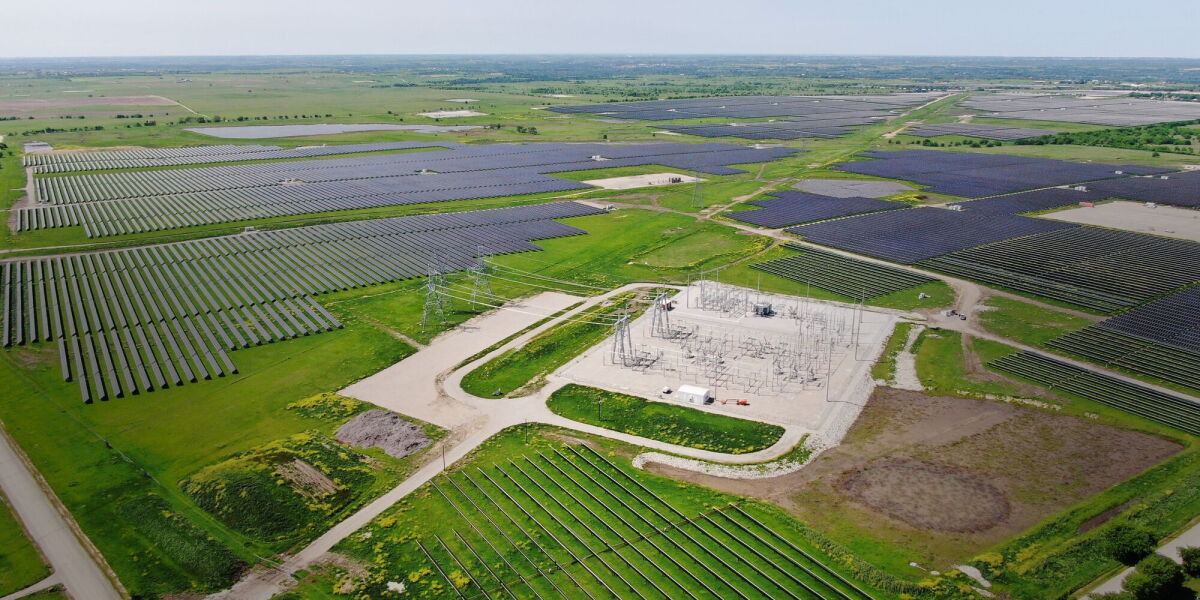
Amazon's solar, wind, nuclear, and battery storage investments drove economic growth across the U.S. from 2023 through 2025, per an Oxford Economics study.
Source Lens
Official Platform Update
Direct platform communication. Highest-value for policy, product, and operational changes.
Impact Level
medium
Use this briefing to decide whether your team needs an immediate workflow, policy, or reporting change.
Key Stat / Trigger
No single quantitative trigger surfaced in this report.
Focus on the operational implication, not just the headline.
Full Coverage
Key takeaways Amazon’s carbon-free energy projects contributed nearly $11 billion to U. S. GDP from 2023 through 2025. These investments supported nearly 22,000 jobs annually across the country. Amazon covers all costs associated with powering its data centers, so communities benefit from these investments without bearing expenses.
Amazon's carbon-free energy projects don't just keep the lights on for our operations—they put people to work, support tax revenue generation into local communities, and drive economic growth.
A new independent study by Oxford Economics puts a number on it: Amazon's carbon-free energy investments contributed nearly $11 billion to United States gross domestic product (GDP) and supported nearly 22,000 jobs annually from 2023 through 2025.
That’s across our full portfolio of carbon-free energy projects—including solar farms, wind farms, nuclear energy, and battery storage systems. How Amazon approaches carbon credits, a key tool in the fight against climate change Carbon credits help unlock private sector climate finance at scale, and drive impact beyond our own operations.
What happens when Amazon invests in carbon-free energy? Amazon's carbon-free energy portfolio spans more than 700 projects across 28 countries, totaling more than 40 gigawatts (GW) of capacity—enough to power more than 12. 1 million U. S. homes. Every project creates jobs in layers.
Construction crews, welders, and electricians build the project, while local vendors, suppliers, and logistics companies support the building. Those paychecks get spent at nearby restaurants, shops, and service businesses. After construction wraps, plant managers, maintenance teams, and technical specialists keep things running for decades.
Oxford Economics found these projects enabled billions in estimated tax revenue from 2023 through 2025—money that increases public funds to support schools, roads, first responders, and public services in the communities where they operate.
“Investment in America’s energy infrastructure has benefits that extend well beyond the electricity it generates,” said Pete Collings, managing director of economic footprint and sustainability at Oxford Economics.
“Amazon's purchases of carbon-free power support jobs and economic activity across the country, stimulate tax revenues that can pay for public services, and contribute to a more secure and resilient energy system.” These projects last anywhere from 25 to 60 years depending on the technology.
Oxford Economics estimates that through 2034 alone, the total contribution will top $61 billion in GDP while supporting roughly 23,500 jobs annually. How do these projects benefit local communities? Mississippi In Tunica County, Mississippi, Amazon's Delta Wind project is the first utility-scale wind farm in the state.
Developed by AES and operational since April 2024, the 184. 5-megawatt project generates enough carbon-free energy to power the equivalent of nearly 80,000 Mississippi homes a year. Landowners continue to farm the acreage around the turbines, preserving the county's agricultural heritage alongside its new energy infrastructure.
“These are powerful examples of how we're not only providing the carbon-free energy that companies like Amazon need to grow, but helping states like Mississippi attract critical investment, create new sources of revenue for landowners and local communities, and support sustainable economic growth for decades to come,” said Amanda Smith, vice president of external affairs, U.
S. renewables and power, at AES. Statewide, Amazon's carbon-free energy projects contributed $212 million to Mississippi's GDP from 2023 through 2025, supporting approximately 280 jobs annually and enabling more than $22 million in tax revenue. The benefits extend to everyday ratepayers as well.
Entergy Mississippi reports that revenue from large customers like data centers is beginning to deliver direct benefits, helping keep electricity rates flat through the peak summer months.
Through its Fair Share Plus Pledge, the utility projects more than $2 billion in savings for Mississippi customers over the next two decades and has credited large-customer revenue with supporting reliability improvements across its system.
Amazon strengthens its investment in Missouri to bring new community programs, new jobs, and hundreds of millions in tax revenue New commitments include funding for emergency services, a water stewardship project, and a new community gathering space enabled by data center investments.
Virginia Amazon's carbon-free energy projects in Virginia contributed more than $331 million to the state's GDP from 2023 through 2025, supporting more than 150 jobs annually and enabling over $15 million in tax revenue. The benefits also reach communities in more direct ways.
In Louisa County, Amazon awarded a $135,000 grant to fully fund a solar project for the Louisa County Resource Council (LCRC),
Original Source
This briefing is based on reporting from About Amazon. Use the original post for full primary-source context.
Style
Audience