

Clorox expects $200M inflation hit, supply chain costs a factor
Increasing energy, commodity and supplier costs are significant contributors, along with higher trucking, ocean freight and logistics-related expenses.
Source Lens
Industry Context
Useful background context, but lower-priority than direct platform, community, or operator intelligence.
Impact Level
medium
Use this briefing to decide whether your team needs an immediate workflow, policy, or reporting change.
Key Stat / Trigger
No single quantitative trigger surfaced in this report.
Focus on the operational implication, not just the headline.
Full Coverage
An article from Dive Brief Clorox expects $200M inflation hit, supply chain costs a factor Increasing energy, commodity and supplier costs are significant contributors, along with higher trucking, ocean freight and logistics-related expenses. Published Aug.
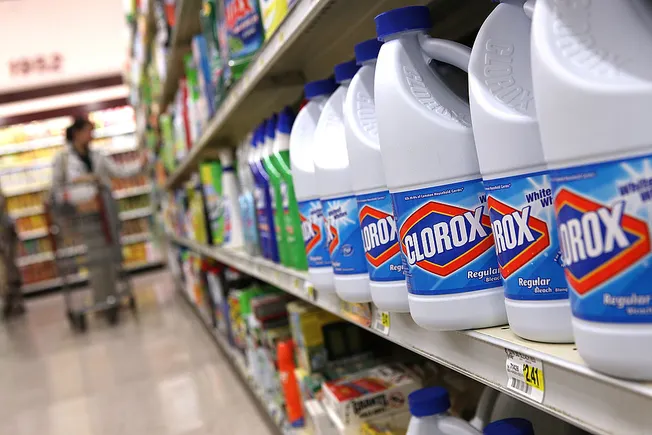
10, 2026 Antone Gonsalves Reporter Share Copy link Email / Print License Add us on Google Bottles of Clorox bleach sit on a shelf at a grocery store in San Francisco. Clorox expects inflation across its supply chain, with commodities contributing the most to the higher costs, executives said.
Justin Sullivan/Getty Images via Getty Images Listen to the article 2 min This audio is auto-generated. Please let us know if you have feedback. Dive Brief: Clorox expects to contend with widespread inflation that will top $200 million this year, double the historic range for rising prices, executives said on an Aug. 3 earnings call.
Increasing energy, commodity and supplier costs are significant contributors to inflation, along with higher trucking, ocean freight and logistics-related expenses, EVP and CFO Luc Bellet told investors.
“So as a result, it's fair to say that inflationary pressures are proving more persistent and should extend well beyond what is just reflected in the headline for the oil price,” Bellet said, adding that the company expected inflation to be "more pronounced" through the rest of the year.
Dive Insight: Higher oil prices from shipment disruptions during the Iran war have contributed to inflation across manufacturers' supply chains. Spice and ingredient maker McCormick & Co.
, for example, pointed to the war for inflation tracking at about 6% this fiscal year, while WD-40's costs for oil-dependent inputs for specialty chemicals rose by as much as 100%. Clorox expects inflation across its supply chain, with commodities contributing the most to the higher costs, Bellet said.
However, the company is also recording "pretty material inflation across different elements of logistics." As a result, the company is raising prices on some products while recognizing that consumers are feeling the inflationary pressure, CEO and Chair Linda Rendle said.
At the same time, the company is implementing regular price increases on certain products impacted by commodity pricing, such as Glad trash bags. The product contains polyethylene resin — the plastic raw material derived from oil and natural gas.
For the current fiscal year, which began July 1, Clorox expects its gross margin to be about 42%, due in part to higher-than-normal inflation, according to the company's earnings press release. That compares to a gross margin of 42. 3% last year. The last time Clorox experienced high inflation was in 2022 and 2023, Rendle said.
Back then, the company launched four rounds of price increases across categories to counter costs 10 times higher than normal. Recommended Reading Clorox recovers from ERP-fueled inventory increase By Antone Gonsalves • Nov. 19, 2025 Add us on Google Share Copy link Email / Print License Filed Under: Risk and Resilience, Procurement, Logistics, Manufacturing
Original Source
This briefing is based on reporting from Supply Chain Dive. Use the original post for full primary-source context.
Style
Audience