

Freight Brokers: Why Your Carrier Vetting Process MUST Change Now
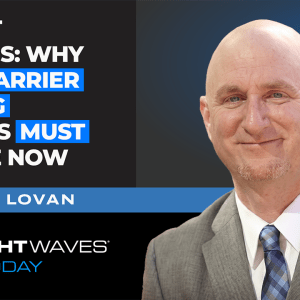
A recent $604 million court ruling is forcing freight brokers to confront their carrier vetting processes like never before. Business advisor Josh Lovan from JJ Keller explains why relying on basic checks is no longer enough and how plaintiff attorneys are now demanding “true vetting.” Learn what steps brokers must take to elevate their safety […] The post Freight Brokers: Why Your Carrier Vetting Process MUST Change Now appeared first on FreightWaves.
Source Lens
Industry Context
Useful background context, but lower-priority than direct platform, community, or operator intelligence.
Impact Level
medium
Use this briefing to decide whether your team needs an immediate workflow, policy, or reporting change.
Key Stat / Trigger
No single quantitative trigger surfaced in this report.
Focus on the operational implication, not just the headline.
Full Coverage
#fwtv_VCWbfYDftz8. fwtv-panel{border:1px solid #d0d0d0;padding:18px;border-radius:6px;line-height:1. 6}#fwtv_VCWbfYDftz8. fwtv-panel p{margin:0 0 12px}#fwtv_VCWbfYDftz8.
fwtv-note{font-style:italic;color:#666;margin-top:16px;padding-top:12px;border-top:1px solid #e0e0e0}A recent $604 million court ruling is forcing freight brokers to confront their carrier vetting processes like never before.
Business advisor Josh Lovan from JJ Keller explains why relying on basic checks is no longer enough and how plaintiff attorneys are now demanding “true vetting.” Learn what steps brokers must take to elevate their safety and compliance standards to a defensible level, or risk catastrophic financial and legal consequences.
A $604 million verdict handed down July 23 in Dallas County — stemming from a 2021 accident — is sending shockwaves through the freight brokerage industry and exposing how thin most carrier vetting programs really are.
The case, combined with a recent Supreme Court ruling on freight broker liability, has triggered an urgent wave of compliance questions from brokers of all sizes, according to Josh Lovan, who works in security and risk management at J. J. Keller.
“Carriers that are waiting in the next 12 to 24 months to really get a plan to kind of put together a carrier vetting process are really missing the boat,” Lovan said. “Because if there’s a catastrophic accident in the next 12 or 18 months while you’re building your program, that’s just not good enough.”
For years, the compliance bar for brokers was low: confirm a carrier had active operating authority and valid insurance, then move the freight. A carrier with five power units and six months in business was fair game. Plaintiff attorneys are now demanding far more, and courts are delivering nine-figure verdicts to reinforce it.
Because major litigation can take years to resolve — the Dallas County case involved a 2021 accident decided in July 2023 — brokers face exposure from accidents that occurred long before they began tightening their processes. “Being good and being lucky are 2 very different things.
And in the world of transportation and enforcement, most carriers get lucky rather than just being good.” Lovan laid out three immediate steps brokers must take. First, elevate carrier vetting to a “defensible standard” — reviewing CSA scores, roadside inspection trends, hours-of-service records, and driver fitness data rather than insurance alone.
Second, document every carrier selection decision, including a written record of why certain carriers were rejected. Third, standardize and enforce safety criteria across the entire network, eliminating one-off exceptions made for long-standing relationships.
He said a company can go from poor compliance standing to looking like a completely different operation within 18 months, but only if it starts immediately. Asset-based carriers generally understand the stakes better than non-asset brokers, panelists noted, because they manage driver qualification files, CSA scores, and maintenance programs every day.
Brokers also face a communications liability gap: where asset carriers route driver contact through recorded phone systems or back-office platforms, broker-to-driver conversations frequently happen over text and email with little discipline around language — all of it discoverable in litigation.
Lovan warned brokers against two common misconceptions: that carrier indemnification clauses offer real protection when the carrier is a small operator with a $750,000 policy, and that purchasing new insurance coverage will shield them from cases already working through the court system.
Lawsuits tied to accidents from 2022 and 2023 are actively being amended to add brokers as defendants now that the legal landscape has shifted, making retroactive fixes impossible. A Dallas County jury issued a $604 million verdict on July 23 tied to a 2021 accident, putting freight brokers on notice about carrier vetting liability. J. J.
Keller’s Josh Lovan says brokers must document not only which carriers they select but also why they rejected others — a practice rarely seen in the industry. Lovan says any company can reach a defensible compliance standard within 18 months, but brokers must start now given the years-long litigation timeline for trucking cases.
This Summary is generated thanks to a transcription of the interview, for the full interview please enjoy the video above. The post Freight Brokers: Why Your Carrier Vetting Process MUST Change Now appeared first on FreightWaves.
Original Source
This briefing is based on reporting from Freightwaves. Use the original post for full primary-source context.
Style
Audience