UPS reorganization prioritizes global logistics over parcel delivery
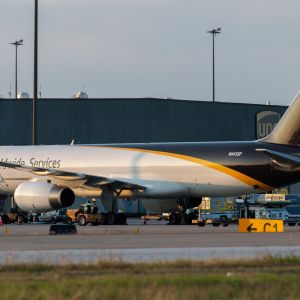
UPS completed its pivot away from domestic parcel delivery, cutting 50% of Amazon volume (2M packages/day), closing 150 sort centers, and reorganizing leadership to prioritize global logistics, healthcare, and SMB segments. Sellers who relied on UPS for Amazon FBM or 3PL shipping will face a smaller, more expensive UPS domestic network focused on premium tiers.
This accelerates carrier consolidation in domestic e-commerce delivery, giving FedEx and regional carriers (OnTrac, LSO, Spee-Dee) more leverage — and Amazon Logistics more justification to expand its own last-mile network further.
UPS deprioritizing e-commerce parcel delivery tightens carrier capacity for FBM and DTC shipments, which will pressure rates upward on remaining UPS small package tiers — especially for non-SMB or non-healthcare shippers. Audit your shipping carrier mix now and model what a 10-15% UPS rate increase does to your margin per unit.
Operational Impact
This story may require teams to revisit workflows, monitoring, or platform assumptions.
Bottom Line
UPS shrinking parcel network means tighter capacity and higher FBM shipping costs in Q4.
Source Lens
Industry Context
Useful background context, but lower-priority than direct platform, community, or operator intelligence.
Impact Level
medium
UPS shrinking parcel network means tighter capacity and higher FBM shipping costs in Q4.
Key Stat / Trigger
2 million packages per day cut from UPS Amazon volume over 18 months
Focus on the operational implication, not just the headline.
Full Coverage
United Parcel Service announced Monday afternoon the adoption of a new operating model and leadership structure aimed at better exploiting its global network to accelerate profit growth as it evolves from a traditional small package carrier to more of an integrated logistics provider.
The timing of the move coincides with the major phase-out of low-margin Amazon business and downsizing of its domestic parcel network, which were largely completed by the end of June.
Under the new approach, UPS (NYSE: UPS) will standardize processes and procedures across geographies while maintaining the flexibility to meet the unique needs of local markets.
UPS said it wanted to give customers greater consistency, agility, and scale as the company deemphasizes its traditional status as a small package carrier to focus more on being an integrated logistics provider.
As e-commerce growth normalized following the Covid-fueled boom and low-cost delivery competitors entered the market, UPS parcel volumes have stagnated.
Why It Matters: The company has stressed for two years that it intends to deemphasize last-mile delivery of e-commerce packages and focus more on high-value, premium market segments like healthcare, industrial, and automotive logistics, as well as services for small-and-medium size businesses.
Now there is more concrete evidence about the direction UPS is going.
UPS also said it appointed Nando Cesarone as executive vice president and chief global operations officer, responsible for the company’s global air network and airport gateways, surface transportation, building and engineering operations, Intelligent Network of the Future initiatives, automotive operations and sustainability functions.
Cesarone previously served as president of U. S. operations. Matt Guffey was named chief U. S. domestic officer, with oversight of UPS’s U. S. businesses, including small package, Roadie same-day delivery, Happy Returns, The UPS Stores and Mail Innovations, the company’s delivery partnership with the U. S. Postal Service.
His previous role was as chief commercial and strategy officer. UPS also is creating a new role of chief global commercial strategy officer, responsible for global strategy, marketing and communications, product management and pricing. A search is underway to till the position.
Meanwhile, UPS announced that Kate Gutmann, president of international, healthcare and supply chain solutions will retire for personal family reasons, ending a 37-year career at the company.
Over the past six years she has played a key role in driving UPS’s growth into the upper echelons of healthcare logistics, which is now a nearly $12 billion business for the company, and navigating the international segment through the rise is U. S. protectionism. Wilfredo Ramos, who heads UPS’s Asia-Pacific and brokerage business, will succeed Gutmann.
Over an 18-month period, UPS eliminated 50% of its Amazon volume, or about 2 million pieces per day, because they were no longer economical to handle. It also closed 150 parcel sort centers and laid off 30,000 workers. UPS stock is essentially flat for the year, closing Monday at $104. 23.
The price is down from $127 per share two years ago and $169 per share on Aug. 31, 2023. Click here for more FreightWaves/American Shipper stories by Eric Kulisch. Write to Eric Kulisch at ekulisch@freightwaves. com.
RELATED STORIES: UPS shift away from Amazon shows bigger payoff UPS intensifies effort to attract small businesses The post UPS reorganization prioritizes global logistics over parcel delivery appeared first on FreightWaves.
Compare UPS vs. USPS/FedEx/regional carrier rates in your shipping software (EasyPost, ShipStation, Shippo) — if UPS is your default for sub-2lb packages, switch or split-test now before Q4 rate pressure hits.
In the next 30 days, renegotiate or benchmark your UPS account rates against FedEx and regional alternatives; UPS SMB-focused pricing may benefit small sellers but hurt mid-volume brands without leverage.
Original Source
This briefing is based on reporting from Freightwaves. Use the original post for full primary-source context.
Style
Audience