

Unified Agenda at FMCSA spells out ambitious plans for coming year
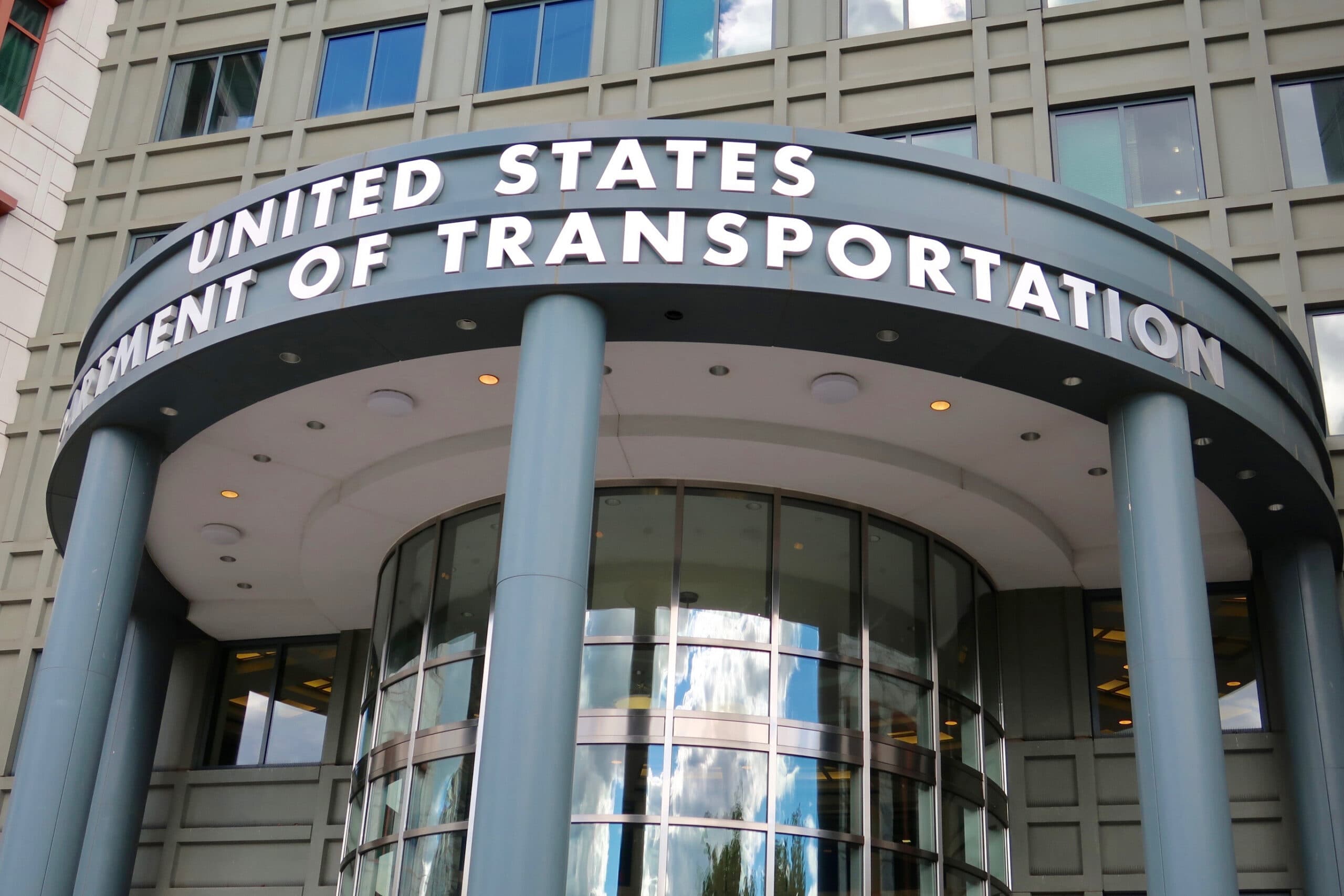
The recent DOT/FMCSA Unified Agenda sets out priorities for the agency in the coming months and year. The post Unified Agenda at FMCSA spells out ambitious plans for coming year appeared first on FreightWaves.
Source Lens
Industry Context
Useful background context, but lower-priority than direct platform, community, or operator intelligence.
Impact Level
medium
Use this briefing to decide whether your team needs an immediate workflow, policy, or reporting change.
Key Stat / Trigger
No single quantitative trigger surfaced in this report.
Focus on the operational implication, not just the headline.
Full Coverage
The Unified Agenda of the Department of Transportation (DOT), and in particular that part of it that applies to the Federal Motor Carrier Safety Administration, is a laundry list of ongoing processes and aspirational goals that leaves significant room for interpreting what the department and FMCSA’s priorities are for the coming months and year.
The agenda released earlier this month is the first in more than a year. The normal rhythm is a twice per year release of the priorities. But that second release didn’t happen in 2025. While it is easy to dismiss the agenda, because it doesn’t have the force of law or requirements that any self-scheduled deadlines be met, P.
Sean Garney, co-director of Scopelitis Transportation Consulting, said it was “a decent barometer of the type of things that the federal government is thinking about doing.” He did concede, however, that many of the items on the Unified Agenda “have been on there for years and years.”
Wording in the entries in the Unified Agenda is usually short on specifics and history. The language “is the most vanilla description they can find because they are just like, these are things we’re thinking about,” Sue Lawless, a partner at the Scopelitis Law Firm who held several leading positions at FMCSA earlier in her career, said of the agenda.
“You’re not going to get the backstory from the Unified Agenda.” How much can they get done? The list of items released this month was seen by Lawless and others as ambitious.
Maybe too much so: Lawless said of the items on the list, and their projected dates for hard action such as publishing a Notice of Proposed Rulemaking (NPRM) by the end of this month, “There’s no way you’re going to get all of these things out and done.
When you look at all the things they’re proposing, the majority of them are very substantial heavy lifts for the agency to do.”
Speaking from the carrier side of the transportation sector, David Heller, senior vice president of safety and government affairs at the Truckload Carriers Association, said this year’s version of the agenda “is one of the most aggressive ones I have seen in my time.”
The TCA earlier last month published a white paper on FMCSA with the title “Proposals for Comprehensive Reform: Prioritizing Investments in Core Safety Mission.” Heller said the changes called for by TCA in that document “goes almost hand in glove” with the agenda, because the priority list needs a lot of resources to get it done.
And one of the themes in the paper was that FMCSA needs more personnel and other tools. Despite the fact that FMCSA is one of the “most consequential” agencies in the federal government, the TCA paper said “it remains one of the smallest operating administrations” in the DOT.
“FMCSA regulates hundreds of thousands of interstate motor carriers, millions of commercial drivers, and the vehicles that move a substantial share of the nation’s freight and passengers,” the white paper said.
“Despite the scale of that responsibility and the persistent public-safety risks associated with large-truck and bus operations, the agency continues to operate with limited staffing, constrained resources, outdated regulatory structures, and fragmented oversight tools.” Heller said FMCSA has been adding resources. “Is it going to be enough?” he said.
“I don’t have that math.” But he added that the report and the 48 FMCSA items on the Unified Agenda “are almost hand in glove.”
Continuation of tougher policies Heller said several items in the agenda are signs the administration and FMCSA administrator Derek Barrs “will continue to be aggressive in enforcement by taking advantage of the opportunity of getting these bad carriers off the road. It’s finally time that the agency has done this.”
Issues that already have been dealt with through other actions are in the agenda. For example, an item that had not been published previously in earlier agendas asks whether the rule on English language proficiency should be codified as an out of service violation.
President Trump signed an executive order last year requiring enforcement of the long-standing law that truck drivers need to be proficient in English. The item in the agenda if it takes the next step presumably would find the rules in the executive order making its way into federal law.
Unlike other items in the agenda, the question of codifying the English language rule has no proposed date for the launch of a NPRM or an Advanced NPRM. Focusing on CDLs Another sign that what has been described as a “crackdown” will continue was a new proposal for CDL standards.
The agency, according to the agenda item, “is proposing to amend its regulations to enhance the security standards for the State-issued commercial driver’s licenses (CDLs) and commercial learner’s permits (CLPs). This action would strengthen the integrity of the CDL and CLP issuance process and reduce the risk of fraud.”
The changes would involve such standards as document verification and record re
Original Source
This briefing is based on reporting from Freightwaves. Use the original post for full primary-source context.
Style
Audience