

August 2019: Two Trucks and a Fresh Start. Today: Nearly 40 Trucks, 140 Trailers, and a 40-Year-Old Carrier.
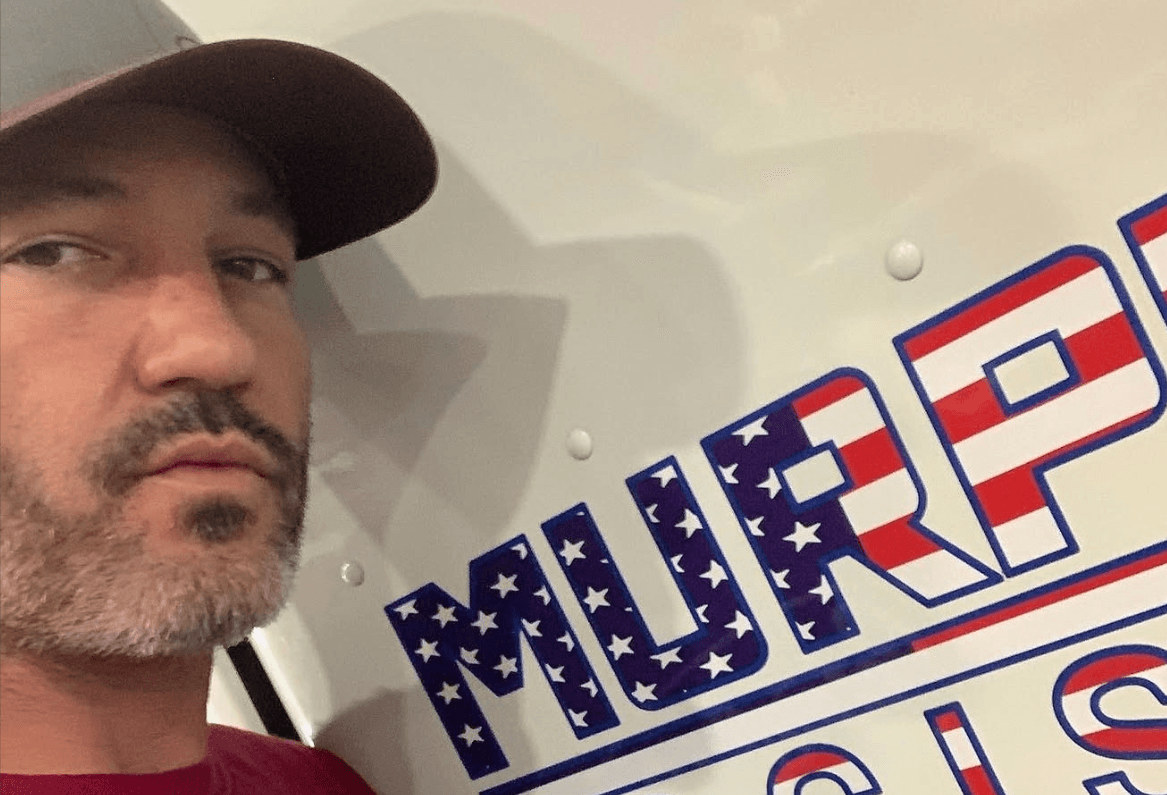
I have known Jerry Murphy for almost two years. We talk every couple of weeks. And I can tell you there is no version of him for the cameras. The man you hear on this episode is the same man I get on those calls. He did not have a driver’s license when he started […] The post August 2019: Two Trucks and a Fresh Start. Today: Nearly 40 Trucks, 140 Trailers, and a 40-Year-Old Carrier. appeared first on FreightWaves.
Source Lens
Industry Context
Useful background context, but lower-priority than direct platform, community, or operator intelligence.
Impact Level
medium
Use this briefing to decide whether your team needs an immediate workflow, policy, or reporting change.
Key Stat / Trigger
No single quantitative trigger surfaced in this report.
Focus on the operational implication, not just the headline.
Full Coverage
I have known Jerry Murphy for almost two years. We talk every couple of weeks. And I can tell you there is no version of him for the cameras. The man you hear on this episode is the same man I get on those calls. He did not have a driver’s license when he started his trucking company.
It was suspended, for reasons connected to the drinking that had already cost him most of a career. He had a felony. He had no clear path and no template. What he had was a Google search for how to get a DOT number and a father willing to haul cars on the weekends with him.
Watch the full episode: Jerry Murphy sits down with me on The Long Haul to walk through the ten-year grind behind an acquisition that looked overnight to everyone but him. That was 2017.
This summer, Jerry sat at a table with his wife and signed the papers to buy a trucking company that had been running for four decades, adding roughly 25 trucks and 140 drop trailers to the operation he built himself. He celebrated for one evening. Lunch, then the couch, then back to work the next morning.
I had been asking him to tell this story for a long time. He finally said yes. What follows is what he told me, and I think it is the most important conversation I have had on this show. The Kid Who Drove a Semi at 14 Jerry grew up in Washington County in southern Ohio, a self-described country boy with great parents and no money.
He says he never knew he was poor. His parents made sure of that. His father worked industrial hydro blast and vacuum truck work, the environmental side of heavy industry, and Jerry calls it a huge industry that nobody sees. Every uncle on both sides of the family did the same work, and Jerry was a shop boy for his father in the summers.
That is where he drove his first big truck, at 14. His father made him an offer: back it into the company lot without breaking a gear, and the two of them would trade paychecks. He learned on twin stick. Out in the country, if you wanted to see your friends, you rode, so it was dirt bikes and four wheelers first, then Harley Davidsons.
After high school, college was not for him, so he followed his father into the business and rose fast. He had been around the equipment his whole life and he was not scared of the hours, having watched his father work 80 and 90 hours a week.
He climbed from the field to supervision to project management, and he was, by his own account, very good at it because he put everything into it. He also stepped into the lifestyle that came with it. Work hard, party hard, play hard. Trade work, out of town, 12 and 14 hour days, then the bar all night.
“You Don’t Get to Decide When That Flips” Jerry is an open book about what happened next, and he says it plainly: he is a recovering alcoholic. He describes the progression with a line that stuck with me the first time I heard it. He was working full time to drink part time. And then, before he knew it, he was working part time to drink full time.
“You don’t get to decide when that flips,” he told me. “You’re just having a good time until you’re not.” He was young, easily influenced, and, he says, deeply insecure, using the drinking to mask it. Then came the wreck. Jerry had been drinking and should not have been behind the wheel. A good friend offered him a ride home.
Jerry told him he was going to grab something out of his truck. He climbed into it instead and took off. He does not remember any of it. The truck went left of center, off the road, and hit a telephone pole hard enough to push the control arms back underneath the cab of a crew cab diesel pickup. It hit on the passenger side.
Jerry says that is likely the only reason he is alive. It knocked him out and split his head open. The deputy sheriff who found him was a friend from high school. Jerry woke up in the hospital. “Murphy, we thought you were gone,” his friend told him. The career did not survive it.
Jerry says his name in the business was good enough that other people gave him chances, and he went to three different companies. They all ended the same way. He burned the bridges himself, and he does not dress it up. “It wasn’t their fault,” he said. “It was my fault. I just couldn’t get my stuff straight.”
The Conversation With His Daughters There was no program. No countdown. No court-ordered rehabilitation that took. Jerry had been through all of that, and none of it worked, because he did not want to get sober. What worked was a look on two faces. He had started his company by then and was working late in his shop, drinking while he worked on his truck.
On the way home he got pulled over and charged with a DUI. He went to jail and got bailed out the next day. His twin daughters were nearly 13. They knew he had been in trouble before, but they were finally old enough for him to have the conversation directly, and Jerry decided they deserved to hear it from him.
He pulled them aside and told them what he had done. “They just had an overwhelming look of disappointment on their fa
Original Source
This briefing is based on reporting from Freightwaves. Use the original post for full primary-source context.
Style
Audience