Dr. Squatch drives revenue through post-purchase tracking page adjustments
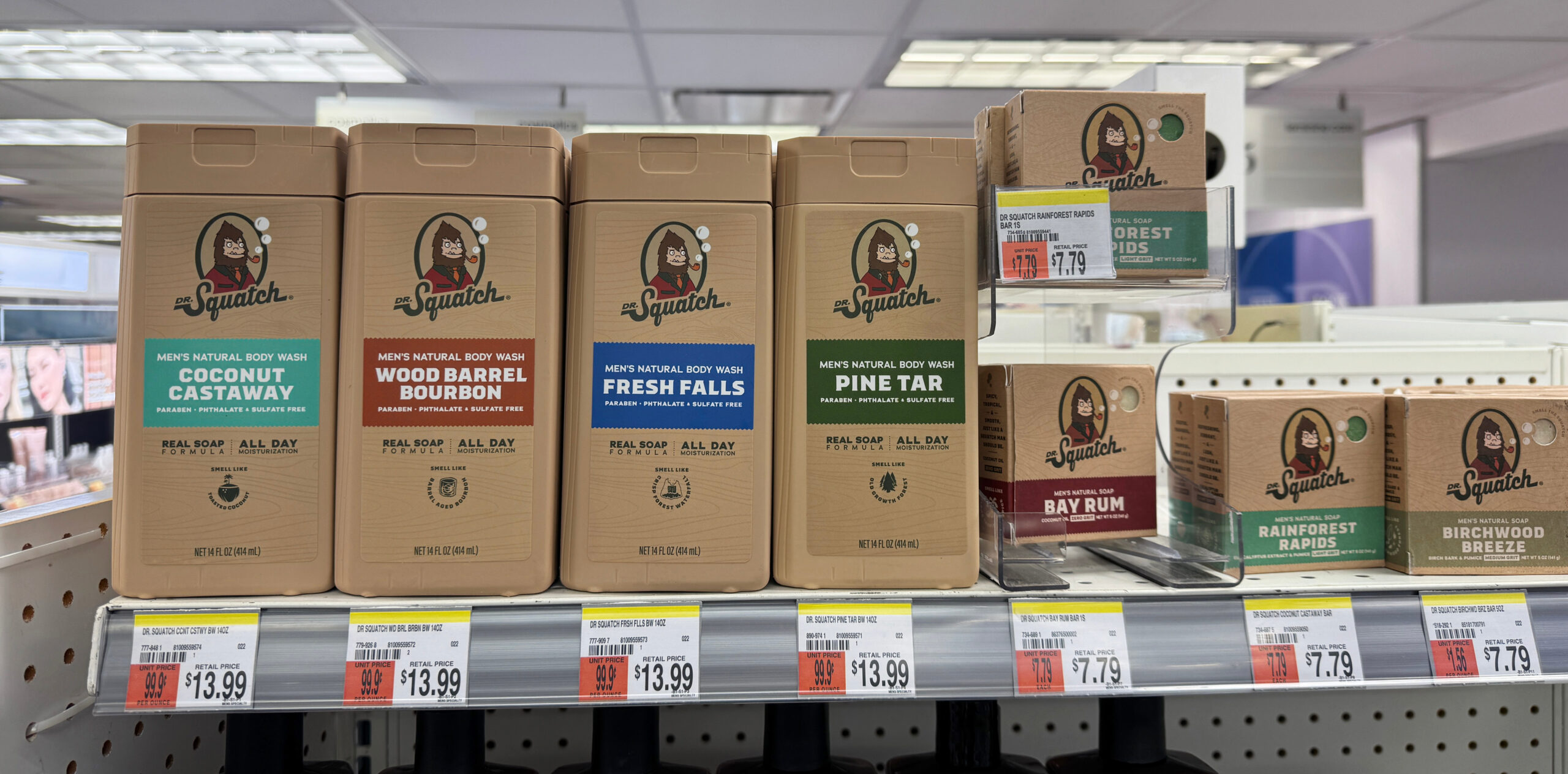
Dr. Squatch added personalized product recommendations to AfterShip tracking pages, generating $32,978 and 766 orders in Q1 2026 with a 31.89% CTR. AfterShip launched AfterShip Intelligence on Sept. 1, 2026, adding AI-powered delivery predictions and agentic automation to post-purchase workflows.
Post-purchase is becoming a revenue channel, not just a support cost center — AI-powered tools are commoditizing what used to require custom dev work, compressing the gap between enterprise brands and smaller operators.
Tracking pages are dead inventory for most DTC and marketplace-adjacent brands — Dr. Squatch is monetizing a high-intent moment most sellers ignore entirely. If you run a Shopify or multi-channel brand, audit whether your current tracking page has any revenue-generating element; if not, you're leaving post-purchase traffic on the table.
Operational Impact
This story may require teams to revisit workflows, monitoring, or platform assumptions.
Bottom Line
Tracking pages convert at 31% CTR — sellers ignoring them are wasting high-intent traffic.
Source Lens
Analyst Intelligence
Research or editorial analysis that adds market context beyond the official announcement.
Impact Level
medium
Tracking pages convert at 31% CTR — sellers ignoring them are wasting high-intent traffic.
Key Stat / Trigger
31.89% click-through rate on post-purchase tracking page product recommendations
Focus on the operational implication, not just the headline.
Full Coverage
Health and beauty brand Dr. Squatch has added personalized product recommendations to its post-purchase experience, using tracking pages to lift revenue. Dr. Squatch said it has seen a 31. 89% click-through rate for product recommendations on tracking pages. Additionally, Dr.
Squatch generated $32,978 in revenue that it directly attributed to those post-purchase recommendations in Q1 2026. It attributed 766 orders to those recommendations. Tracking pages are often high-traffic touchpoints, and the brand wanted to capitalize on that. Dr. Squatch wanted consumers to have estimated delivery dates both pre- and post-purchase.
But the brand struggled with visibility into how its third-party logistics (3PL) providers operated. It didn’t have carrier data, fulfillment logic or route performance. By Q1 2026, Dr. Squatch began using AfterShip for artificial intelligence (AI)-powered estimated delivery dates. It saw a 94% on-time accuracy rate during the quarter.
AfterShip, which launched in 2012, said it has provided shipping, tracking and returns technology to more than 20,000 brands. On Sept. 1, 2026, it launched what it calls AfterShip Intelligence. It said the technology adds agentic automation and “predictive intelligence” to post-purchase tracking, returns and shipping. Dr.
Squatch is one of AfterShip’s launch partners for the offering. In using AfterShip Intelligence, Dr. Squatch has reduced its “where is my order?” inquiries by 25%, according to the companies.
“As AI continues to reshape how brands operate, we see a real opportunity to apply that intelligence to the moments that happen after a purchase,” said Joan Park, senior customer experience analyst at Dr. Squatch, in a statement.
“AfterShip Intelligence gives our team the context and automation to resolve delivery issues more efficiently, while keeping our focus on delivering a great customer experience. It’s an important step toward making post-purchase a more intelligent part of the customer journey.” How Dr.
Squatch improved accuracy on its post-purchase tracking pages AfterShip said it started with analyzing Dr. Squatch’s historical shipping data. The post-purchase technology platform said it built delivery rules from carrier performance.
“Being able to auto-populate those rules and set up something that’s maybe not all the way there, but 80% of the way there — that’s far better than what we saw before,” said Will Edwards, senior strategic operations manager at Dr. Squatch, in a statement.
Edwards described the brand’s previous post-purchase tracking as “very rigid, assumption-based and not actually relying on data.” Additionally, Dr. Squatch had a buggy portal. The brand did not name its previous post-purchase technology provider. The same AfterShip technology now powers both pre- and post-purchase estimated delivery dates.
As a result, the date a consumer sees at checkout is consistent with what they see on an order tracking page. “If someone sees a really aggressive date and orders, then goes to the tracking page and their order is five days away, that’s going to drive tickets and make people upset,” Edwards said.
And along with the estimated delivery dates on the tracking pages, Dr. Squatch recommends additional products to those customers. Dr. Squatch also credited AfterShip with helping maintain a nearly 100% completion rate during the Cyber 5 in 2025. In that time frame, the brand’s shipment volume increased 62. 69% month over month.
However, its delivery completion rate was 99. 83%. How Dr. Squatch refines its ecommerce strategy ahead of the Cyber 5 Clara Kim, senior technical program manager at Dr. Squatch, said last year’s peak periods have shaped how it plans to approach the holidays in 2026.
“One of our biggest learnings from last year’s peak periods was the importance of preparation and platform stability,” Kim told Digital Commerce 360.
“During high-volume moments like BFCM [Black Friday – Cyber Monday ], even small changes can introduce unnecessary risk, so this year we’ve been much more intentional about getting key features, optimizations, and foundational work completed well ahead of our busiest sales periods.” From an ecommerce perspective, Kim said, Dr.
Squatch is putting greater emphasis on four aspects ahead of the holidays: Performance Testing Monitoring Identifying potential issues The brand typically implements a two-month code freeze around the Cyber 5. That allows it to shift its focus to launching new functionality.
At that point, it prioritizes customer experiences — like the post-purchase recommendations — and making sure its site “remains stable during such an important sales period,” Kim said. “Overall, the biggest shift has been prioritizing proactive preparation over reactive problem-solving during peak periods,” she added. Do y
Install AfterShip or a competing post-purchase tool (Route, ParcelLab) and add product recommendation widgets to your tracking page — measure CTR weekly; if below 15%, test different SKU categories or offer a discount trigger.
Before Q4 2026 peak, audit your pre- vs. post-purchase estimated delivery date consistency — mismatches between checkout EDD and tracking page EDD directly spike WISMO tickets and damage reviews.
Original Source
This briefing is based on reporting from Digital Commerce 360. Use the original post for full primary-source context.
Style
Audience