

How Omaha Steaks shrunk its average delivery time to less than a day and a half
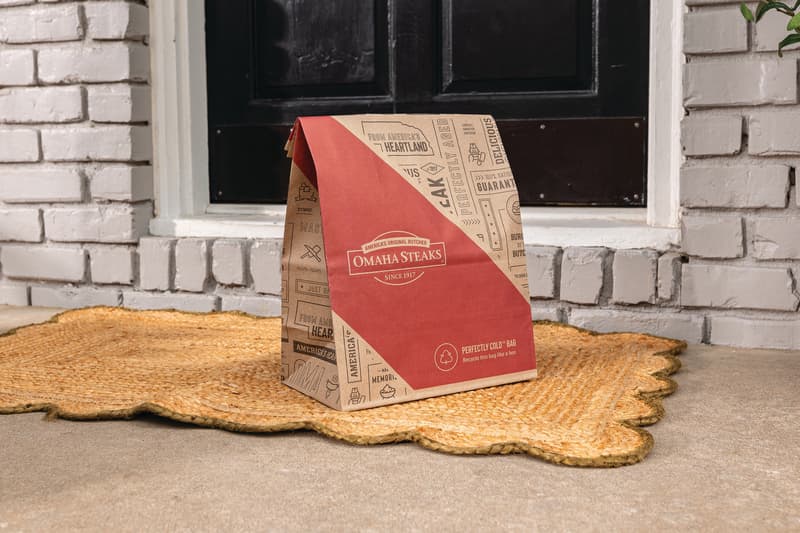
Omaha Steaks has invested in at least five new fulfillment centers and expanded its partnership with UPS's Roadie.
Source Lens
Industry Context
Useful background context, but lower-priority than direct platform, community, or operator intelligence.
Impact Level
medium
Use this briefing to decide whether your team needs an immediate workflow, policy, or reporting change.
Key Stat / Trigger
No single quantitative trigger surfaced in this report.
Focus on the operational implication, not just the headline.
Full Coverage
Supply Chain Shakeup // June 15, 2026 How Omaha Steaks shrunk its average delivery time to less than a day and a half By Melissa Daniels Omaha Steaks One of the country’s oldest meat delivery services is making big gains in delivery speeds by adding warehouse space and turning stores into micro-fulfillment hubs.
Omaha Steaks, a company founded in 1917 that does roughly $600 million in annual revenue, has shrunk its delivery time from an average of 6. 2 days to about 1. 24 days over the past year, CEO Nate Rempe told Modern Retail in an interview.
“We are moving quickly as we open new stores and optimize our network, to start to make Omaha Steaks just as convenient and just as fast as the grocery store,” he said. While the gains are impressive, the changes didn’t happen overnight, and Omaha Steaks has had to make major investments in warehouse leases and new partnerships.
First, Omaha Steaks partnered with UPS-owned gig delivery driver service Roadie for same-day delivery in May 2025. It also reworked its packaging from Styrofoam to an insulated, recyclable corrugated material packed with either dry ice or a recyclable gel ice pack.
“It’s less packaging, it’s less freight costs, and the integrity of the delivery is much higher when it’s just a few miles away,” Rempe said of the new packaging. Then, in the last three months, it added fulfillment centers in Texas, Indiana, New Jersey, Florida and California to expand the delivery network outside of its Omaha headquarters.
Rempe said the company was able to lease warehouse space in key locations without making its own capital investments. It was a major change for a company that used to ship everything out of Omaha, Rempe said. But the investment has been worth it: As of this spring, Omaha Steaks can now provide same-day delivery to about 40-45% of the country, Rempe said.
Customer satisfaction scores have gone “through the roof.” But one of the most critical changes that has boosted same-day delivery in particular is the decision to expand Omaha Steaks’ retail footprint. It currently operates 44 stores and aims to add about 14 new locations this year and another 20 in 2027.
While having a local shop has been a part of the Omaha Steaks’ brand since 1976, Rempe said stores have become an increasingly important part of its online operations. “It’s both sides of the barbell now. You get the POS side, and then the back room can also ship and drive that convenience factor, plus people can walk in and pick up,” he said.
“Brick and mortar in today’s retail landscape must embrace omnichannel to make it make sense.” Rempe also said that the company has been able to achieve faster delivery times in part because it works with a single same-day delivery service, rather than having to manage multiple gig companies.
“Having that single relationship with a leadership team at UPS that helps us execute at a high level, we can look at our KPIs across the network, whether it’s same-day or whether it’s coming from a fulfillment center, and really manage them as a single entity,” he said.
Rempe said he recently tested out same-day delivery services in Omaha, ordering carne asada and burgers at around 2:30 in the afternoon. The driver came and handed him the package just as he pulled in his driveway that evening — without knowing he was the CEO. That’s the experience Rempe said he wants to mainstream as the company continues to modernize.
“Restaurant-quality or better proteins delivered the same day, when I was thinking about dinner at 2:30 to when my family was eating at 6:30, is what the supply chain is expected to deliver in today’s market,” Rempe said.
The week in tariffs The ongoing tariff refund process has a new wrinkle that could cause some payments to be delayed or even overturned based on potential court outcomes. The Trump administration has appealed the U. S.
Court of International Trade’s order, which directed Customs and Border Protection to refund tariffs paid under the International Emergency Economic Powers Act. Click here to read the filing.
As attorneys at Hogan Lovells explained it, The Department of Justice has specifically argued that tariffs that were liquidated, or finalized, outside of a 90-day window do not need to be paid back unless the importer has specifically filed a lawsuit.
Those who represent importers are urging companies to take action soon to get their refunds, if they haven’t already. The Home Furnishings Association has urged importers to file for refunds as quickly as possible or consider joining a class action lawsuit for the tariffs liquidated more than 180 days ago.
HFA’s June 5 update said, “Importers need to understand the liquidation status of all IEEPA entries and act quickly to preserve
Original Source
This briefing is based on reporting from Modern Retail. Use the original post for full primary-source context.
Style
Audience