

Trump extends Jones Act waiver for 90 days
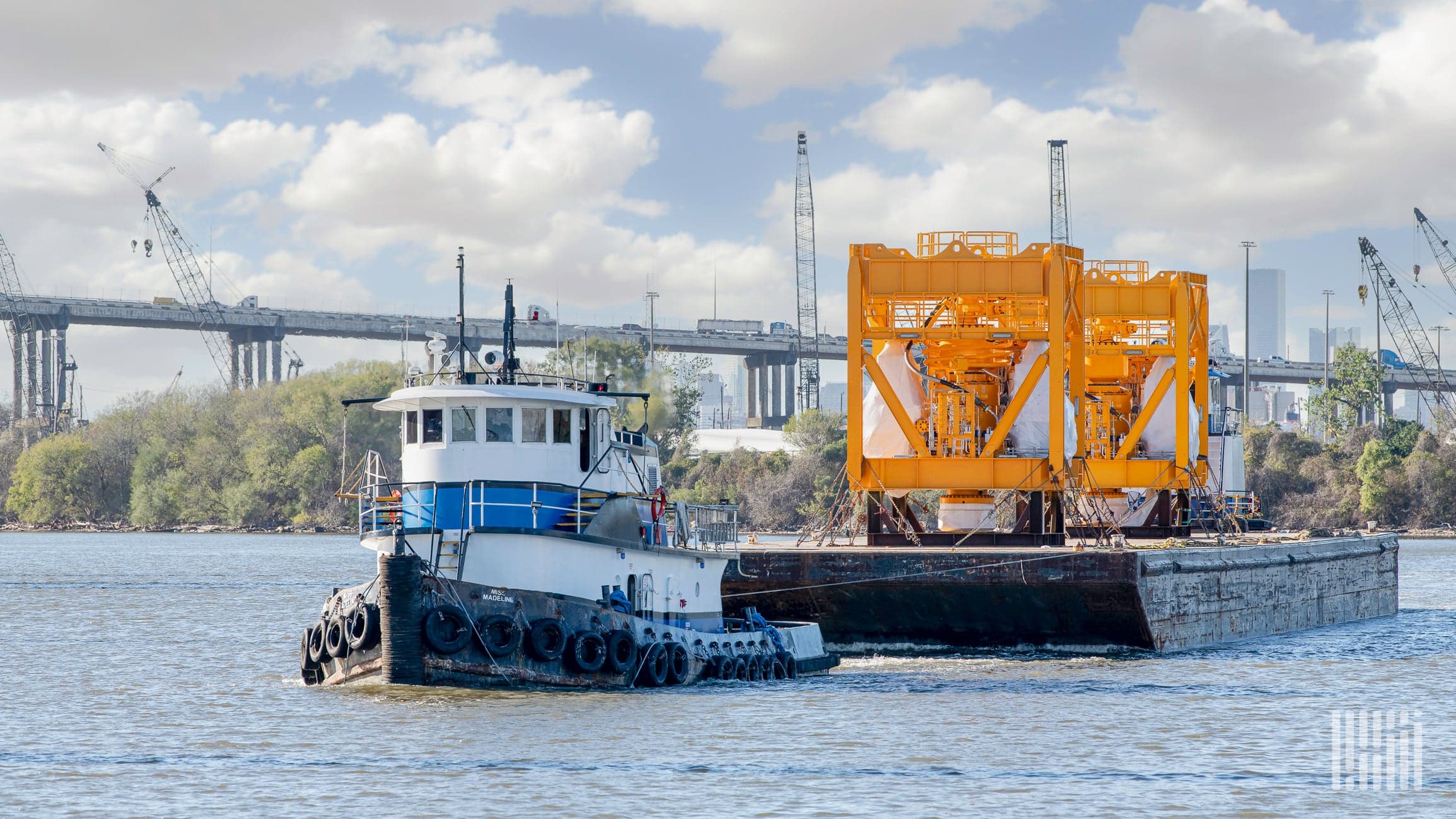
Trump extended the Jones Act waiver for 90 days starting May 18, allowing foreign vessels to carry oil and gas between U.S. ports due to ongoing Iran war supply disruptions. 40 international vessels have used or will use the waiver to reduce transportation bottlenecks.
Higher shipping capacity could stabilize fuel costs that directly impact FBA inbound shipping rates and last-mile delivery fees. Monitor your logistics costs closely as this temporary relief may reverse when the waiver expires in August.
This fits the broader pattern of geopolitical events creating supply chain volatility that directly impacts ecommerce logistics costs and inventory planning timelines.
Check FBA inbound shipping costs in Seller Central's shipping queue -- if fuel surcharges drop, lock in longer inventory shipment schedules while rates are lower.
Review Q3 inventory planning to account for potential shipping cost increases when the waiver expires in mid-August.
Bottom Line
Jones Act waiver extension may temporarily reduce shipping costs for sellers.
Source Lens
Industry Context
Useful background context, but lower-priority than direct platform, community, or operator intelligence.
Impact Level
medium
Jones Act waiver extension may temporarily reduce shipping costs for sellers.
Key Stat / Trigger
40 international vessels using the waiver
Focus on the operational implication, not just the headline.
Full Coverage
President Donald Trump has extended the Jones Act waiver for another 90 days, amid ongoing concerns over oil and gas supplies stemming from the effects of the Iran war. The Jones Act, enacted in 1920, requires cargo moved between U. S. ports to travel on vessels that are U. S. -built, U. S. -owned, and U. S. -crewed.
In theory, that framework supports national security, maritime jobs, and a domestic shipbuilding base. In practice, it also limits the number of vessels eligible to move coastwise cargo, which can leave key lanes exposed when demand spikes or when geopolitical events disrupt energy and freight flows.
The original 60-day waiver granted in March was to expire May 17. The new extension begins May 18. The reason for the extension appears straightforward: the supply and price disruptions that prompted the original waiver had not fully eased. When fuel markets are volatile, even a modest reduction in transportation bottlenecks can matter.
Proponents say more vessel capacity can reduce delays, improve routing flexibility, and ease upward pressure on delivered prices. The extension comes as talks to end the war appear uncertain, and the U. S. maintains a blockade of the Strait of Hormuz, the key waterway for oil and other commodities moving from Persian Gulf nations to global markets.
Forty international vessels have used, or will use, the waiver, the White House said. For domestic shipping interests, however, the implications are more complicated. A waiver can help shippers and consumers in the short term, but it also means cargo that would normally be reserved for Jones Act-compliant tonnage may instead move on foreign-flagged vessels.
That can reduce business opportunities for U. S. -flag operators, weaken pricing power in coastwise trades, and reinforce the long-standing argument from industry critics that the U. S. maritime system lacks sufficient flexible capacity.
The American Waterways Operators trade group called the decision “reckless,” and called for the administration to follow a targeted waiver process. The waiver also comes as the White House is pushing a comprehensive plan to revitalize the domestic maritime sector. Read more articles by Stuart Chirls here.
Original Source
This briefing is based on reporting from Freightwaves. Use the original post for full primary-source context.
Style
Audience