

Brands are finally bringing resale into stores
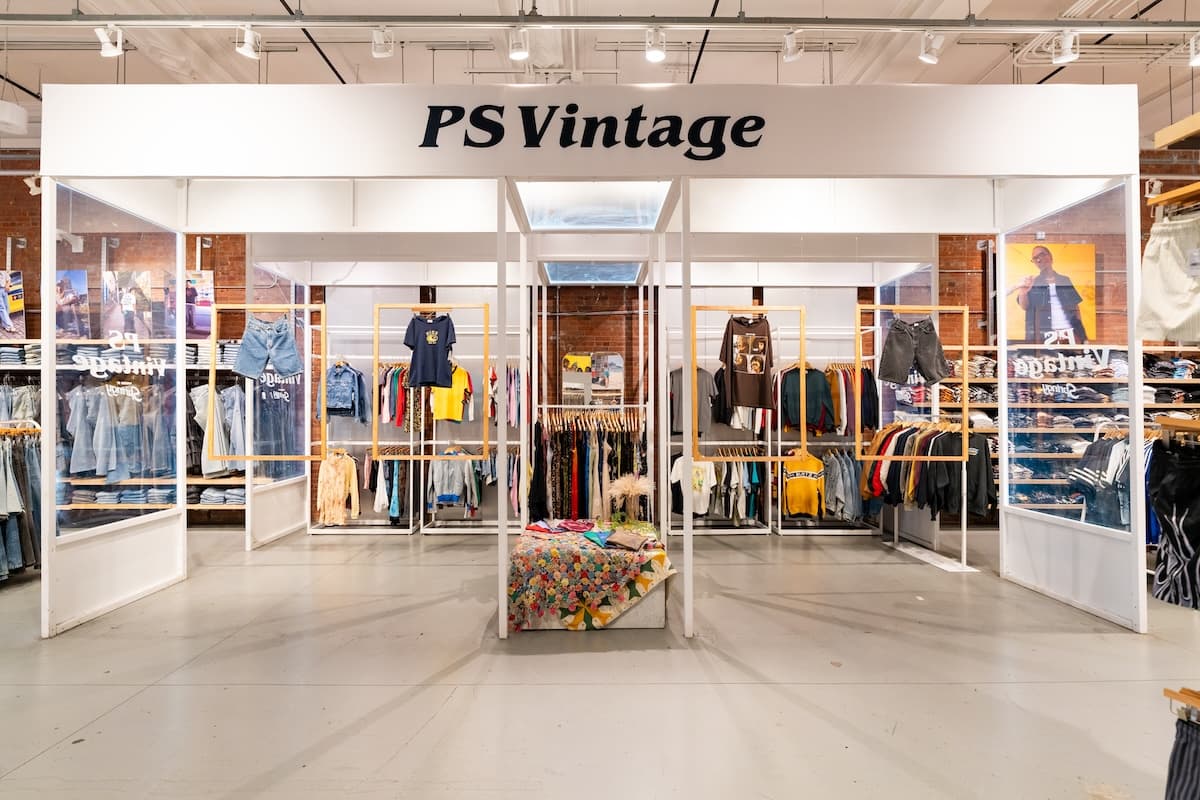
In the last five years, dozens of apparel brands have set up online resale sites. Now, more players like Pacsun and Faherty are bringing secondhand into stores, too.
Source Lens
Industry Context
Useful background context, but lower-priority than direct platform, community, or operator intelligence.
Impact Level
medium
Use this briefing to decide whether your team needs an immediate workflow, policy, or reporting change.
Key Stat / Trigger
No single quantitative trigger surfaced in this report.
Focus on the operational implication, not just the headline.
Full Coverage
Store of the Future // May 20, 2026 Brands are finally bringing resale into stores By Julia Waldow Pacsun In the last five years, dozens of apparel brands have rushed to set up online resale sites. Today, more fashion players are making secondhand a bigger part of their in-store experience, too.
In April, Pacsun brought its resale concept, PS Vintage, to 16 of its retail stores across the U. S. The concept, which is located in a separate part of the floor from full-price merchandise, has already seen a 20% sell-through rate in top-performing stores, the brand told Modern Retail.
Meanwhile, Faherty, which launched its resale program Second Wave online in 2023, is installing a secondhand shop-in-shop at its Williamsburg, Brooklyn location this summer. The assortment will largely include staple pieces, like hoodies and shorts.
Branded resale — or, resale controlled by a brand, rather than a peer-to-peer website, like Poshmark or Depop — has become a popular way for retail companies to participate in the burgeoning secondhand economy. Rhone, Brooks Running, Béis and Lovevery all launched resale programs in the last few years.
However, most of these initiatives have been online, with the exception of pop-ups for occasions like Secondhand September or festivals like SXSW. Now, more brands, having cracked the code to online resale, are looking to bring that experience into their stores.
“The online piece [of resale] has been proven,” said Meredith Blechman, vp of marketing at Archive, a resale technology platform that works with partners like The North Face and Faherty. In-store resale “is just a natural next phase of it,” Blechman added. “I’m talking to pretty much all of our brands about that now.
… That wasn’t necessarily even a conversation we were having a year ago.” Pacsun launched PS Vintage in stores five months after launching PS Vintage online. For both initiatives, Pacsun is partnering with third-party platform Springy.
Pacsun isn’t new to secondhand — it held small vintage drops over the last eight years, for items like Nascar jackets — but PS Vintage marks the first time that resale has felt “super intentional” and “under one umbrella” at Pacsun, Richard Cox, the brand’s chief merchandising officer, told Modern Retail.
Pacsun’s Youth Report last year found that 21% of Gen Z and Gen Alpha respondents labeled their personal style as “vintage” — tied for fourth place, along with “Y2K” and “sporty.” Meanwhile, 33% said they try to source secondhand versions of pieces they like from fast-fashion brands.
“Vintage is becoming more and more important, and we recognize that in terms of our customers and how they shop,” Cox said. “It’s just a no-brainer for us to make sure we have a little bit of vintage in our stores.” Pacsun picked initial locations for PS Vintage based on sales volume, as well as geographic diversity.
“We would hate for results to be skewed because we only sent things to the coasts or the Midwest,” Cox said. Sales associates also chipped in with recommendations for store locations.
About five weeks into the program, top-performing PS Vintage locations include Pacsun’s SoHo and Flatiron stores in New York City; its store at Westfield Galleria in Roseville, California; and its store at Westfield Century City in Los Angeles, California.
Each of the 16 Pacsun stores gets a mix of popular vintage pieces, from graphic T-shirts to denim shorts to fleeces. More expensive pieces stay on the PS Vintage site, as do more trendy, of-the-moment options. In stores, PS Vintage merchandise is sectioned off from full-price merchandise.
The items are all unique — what’s called “one of ones” — “but the intention is for it to feel similar [across stores],” Cox said. Store A, for example, may get a blue Champion sweatshirt, while Store B may get a red Champion sweatshirt.
Faherty, having brought in-store trade-in to all of its stores in March, is also eager to make resale an even bigger part of the brand, said Quenton Macdonald, Faherty’s resale program lead.
Faherty had done in-store resale “here and there, where there’s a rack somewhere,” Macdonald said, but it’s now dedicating a permanent part of its Williamsburg store to Second Wave. All items will be from customers, whether they’re used items shoppers have brought back for store credit, or retail returns that have been cleaned and repaired.
Faherty chose its Williamsburg store to house Second Wave because the area is home to lots of vintage stores. “There’s a community there that wants to engage with this,” Macdonald said. To avoid overlap, the brand won’t have the same Second Wave items online and in its Williamsburg store, instead choosing
Original Source
This briefing is based on reporting from Modern Retail. Use the original post for full primary-source context.
Style
Audience