Amazon Vine Program and the Strategy Behind Getting More Reviews
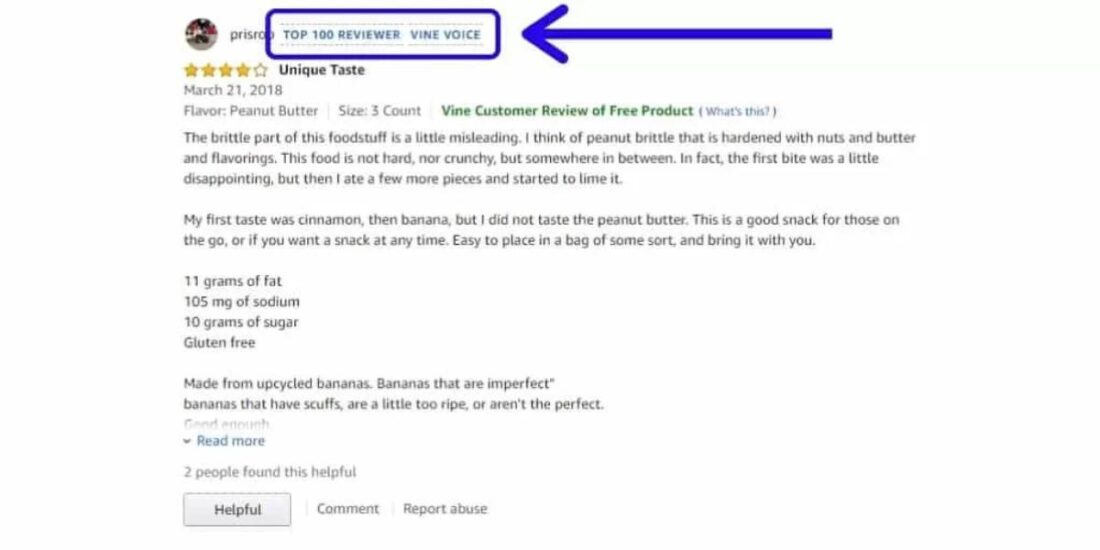
Amazon Vine program requires fewer than 30 existing reviews for ASIN eligibility and costs sellers inventory plus program fees to enroll in 2026. Vine Voices receive free units via FBA and post uncontrolled honest reviews, directly impacting new product launch velocity.
As Amazon's algorithm increasingly weights conversion signals, early review velocity through structured programs like Vine becomes a launch-table-stakes move, compressing the window for organic review accumulation and raising the baseline investment required to compete in crowded categories.
The non-obvious play: Vine feedback functions as a pre-scale product audit — recurring complaints about handles, packaging, or fit signal listing or product fixes needed before ramping PPC spend. Pull your Vine reviews in Brand Analytics and cross-reference negative themes against your current ACoS; if conversion rate is lagging, product feedback is likely the root cause, not ad targeting.
Operational Impact
This story may require teams to revisit workflows, monitoring, or platform assumptions.
Bottom Line
Vine solves review gaps for new ASINs but only if margins and product quality support it.
Source Lens
Industry Context
Useful background context, but lower-priority than direct platform, community, or operator intelligence.
Impact Level
medium
Vine solves review gaps for new ASINs but only if margins and product quality support it.
Key Stat / Trigger
fewer than 30 reviews required for Vine ASIN eligibility
Focus on the operational implication, not just the headline.
Full Coverage
The Amazon Vine program is Amazon’s review program that connects eligible sellers with trusted reviewers, known as Vine Voices, who receive products free of charge and share honest feedback on Amazon. It helps sellers build early social proof for new or low-review products. But Vine’s value goes beyond collecting reviews.
Nithin Mentreddy, Director of Customer Success at SellerApp, sees it as part of a product’s retail readiness. When an ASIN builds credible reviews and ratings, shoppers have more confidence in the listing, which can help paid traffic convert more effectively. The result isn’t just more social proof.
It’s a stronger foundation for PPC to turn visibility into sales. So, is giving away inventory worth it? That depends on your product, margins, review gap, and growth potential. This guide covers eligibility, enrollment, costs, how the program works, common mistakes, and when Vine actually makes sense.
Quick Guide: What Is the Amazon Vine Program and How Does It Work? Who Are Vine Voices? How to Join the Amazon Vine Program Without Wasting InventoryHow Much Does the Amazon Vine Program Cost in 2026?
The Real Cost of VineAmazon Vine Pros and Cons Nobody Tells You UpfrontWhen the Vine Program Amazon Offers Is Worth It and When You’re Burning InventoryHow SellerApp Helps You Maximize Vine’s ImpactFinal Takeaway: Should You Enroll? FAQ What Is the Amazon Vine Program and How Does It Work?
The Amazon Vine program helps sellers build early product reviews by giving selected Amazon reviewers, known as Vine Voices, free units to try. In return, Vine Voices share their honest opinions about the product on Amazon. The process starts with checking whether your ASIN qualifies.
Amazon currently requires a Professional selling account, an eligible FBA offer, a product listing with an image and description, and fewer than 30 reviews on the product detail page. Branded products also need to be associated with a brand enrolled in Amazon Brand Registry.
Adult products, digital products, and bundles are among the products excluded from Vine. Once an eligible ASIN is enrolled, Vine Voices can claim available units, receive them through Amazon fulfillment, and decide whether to publish a review. Sellers can’t choose the reviewers, request positive reviews, or control what they write.
For new products, this can solve a common launch problem. You may have a strong product, a well-optimized listing, and validated demand, but shoppers still see an ASIN with little or no review history. Say a cookware brand launches a $35 ceramic saucepan.
The product is already at FBA, and demand has been validated, but established competitors have hundreds of reviews. The product may be competitive, yet shoppers have less evidence that they can trust it. That’s where the Vine program Amazon offers can help. It doesn’t create demand for a product that nobody wants.
It gives a promising ASIN a chance to build the social proof it needs to compete. vine program amazon Who Are Vine Voices? Vine Voices are reviewers Amazon invites based on the quality of their reviews. They get access to products enrolled in Vine, choose the ones they want to try, and share their honest feedback.
For sellers, that’s useful because Vine Voices can surface things you might miss internally. A reviewer could love the saucepan’s heat distribution but flag the handle, packaging, or lid. If the same issue keeps appearing, you’ve got a product problem worth fixing before you put more money behind the ASIN. Want to become a Vine Voice?
There isn’t an application you can submit. Amazon invites reviewers based on factors such as the quality, helpfulness, and consistency of their reviews. So while the Amazon Vine reviewer program can help build review volume, the bigger value for sellers is getting genuine feedback from people who have actually used the product.
The Vine Review Timeline From Enrollment to Posted Review Start with an eligible product: You need a qualifying ASIN, an appropriate seller account, and FBA inventory. Enroll the ASIN: Add the eligible product to Vine through Seller Central.
Vine Voices claim units: Eligible reviewers can choose available units, receive them through Amazon fulfillment, and decide whether to review them. Enroll up to 30 units: Amazon currently allows sellers to enroll up to 30 units per parent product.
Launching a new product: You can enroll before launch if the product has a customer-ready FBA listing and a future launch date. Amazon recommends having inventory available at least three weeks before launch. No review, no enrollment charge: Amazon says sellers aren’t charged if an enrolled product receives no Vine review within 90 days.
Brand Registry Requirements For branded products, Brand Registry is an important part of eligibility. Sellers need the appropriate relationship with the enrolled brand before they can use Vine for its products. For example, a private label seller cannot simply create a new listing and assume the ASIN
Enroll only ASINs with under 30 reviews, active FBA inventory, and Brand Registry — check eligibility in Seller Central under 'Advertising > Vine' before allocating units.
Before enrolling, calculate your cost-per-review threshold: total unit COGS plus Vine enrollment fee divided by expected reviews posted, and compare against your review gap versus top competitors.
Original Source
This briefing is based on reporting from SellerApp Blog. Use the original post for full primary-source context.
Style
Audience