Liners and Red Sea: Damn the Houthis, full speed ahead!
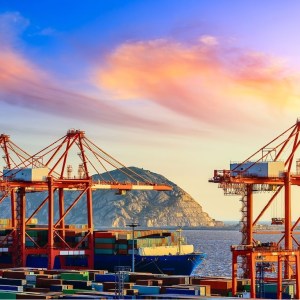
Ocean container rates are on the rise, Freightos says, as carriers bet dollars to [terrorist] drones they can safely return to the Red Sea. The post Liners and Red Sea: Damn the Houthis, full speed ahead! appeared first on FreightWaves.
Source Lens
Industry Context
Useful background context, but lower-priority than direct platform, community, or operator intelligence.
Impact Level
medium
Use this briefing to decide whether your team needs an immediate workflow, policy, or reporting change.
Key Stat / Trigger
No single quantitative trigger surfaced in this report.
Focus on the operational implication, not just the headline.
Full Coverage
Container spot rates are splitting in two directions, but that’s most of the good news in ocean shipping. Trans-Pacific lanes are climbing as Asia-U. S. West Coast prices jumped 9% to $7,422 per forty foot equivalent unit (FEU) in the most recent data from SONAR contributor Freightos (NASDAQ: CRGO), while Asia-U. S.
East Coast prices rose 3% to a new high of $9,422 per FEU. Asia-Europe lanes, by contrast, are cooling off from their mid-July peaks as an early peak season unwinds ahead of schedule. While container rates on the trans-Pacific rise, the SONAR Ocean Booking Index shows China shipments settling at a moderate gain from a year ago.
Behind the rate moves is a geopolitical backdrop that remains unresolved, and a carrier calculus that is shifting in spite of it. The U. S. -Iran Memorandum of Understanding signed 60 days ago to reopen the Strait of Hormuz and kick off negotiations to end the war expired Tuesday.
With Iranian attacks continuing and the American blockade still in place, a reopening looks no closer than before the agreement was signed.
Even as published sources cite higher insurance premiums to cross the Bab el-Mandeb Strait guarding the southern end of the Red Sea, the higher fuel costs from the Hormuz closure are making diversions away from the Suez Canal route and around Africa’s Cape of Good Hope far more expensive than they were from late 2023 through the start of the war.
Even worse, the Houthis recently resumed attacks on merchant vessels as their simmering dispute with Saudi Arabia boiled over. Despite the war and renewed Red Sea attacks, Maersk (OTC: AMKBY) and its Gemini partner Hapag-Lloyd, along with CMA CGM and Cosco, are determined to resume Red Sea transits.
Where earlier threats triggered u-turns, changed market conditions including stubborn port congestion may be behind the new resolve. Maersk in its recent earnings call singled out congestion as a major new component of container dynamics, with growing demand deepening the headhaul/backhaul imbalance. A German labor strike is adding to the delays.
Asia-North Europe prices slipped to about $4,700 per FEU this week, down 20% and more than $1,000 per FEU since the July high, Freightos said, but still 60% higher than May. Asia-Mediterranean fell to about $5,000 per FEU, a 30% slide from its peak.
Bunker prices have climbed 15% since the ceasefire collapse, with some carriers raising emergency fuel surcharges by about $90 per FEU in mid-September. The Panama Canal Authority is also cutting daily transits and lowering Neopanamax draft to 48 feet this month and 47.
5 feet in early September, with carriers announcing canal transit surcharges of $200-$1,000 per FEU starting mid-September. Read more articles by Stuart Chirls here.
Read more: EXCLUSIVE: Americold’s Port Saint John bet stitching DP World and CPKC into one cold chain Customs to fight this growing trade fraud with AI ‘detective border’ Empty containers a freighted issue for global trade growth The world’s third-largest shipping line has a new US chief New study: Hormuz just one of many shipping chokepoints The post Liners and Red Sea: Damn the Houthis, full speed ahead!
appeared first on FreightWaves.
Original Source
This briefing is based on reporting from Freightwaves. Use the original post for full primary-source context.
Style
Audience