

How to Pitch to Speak at Marketing Events
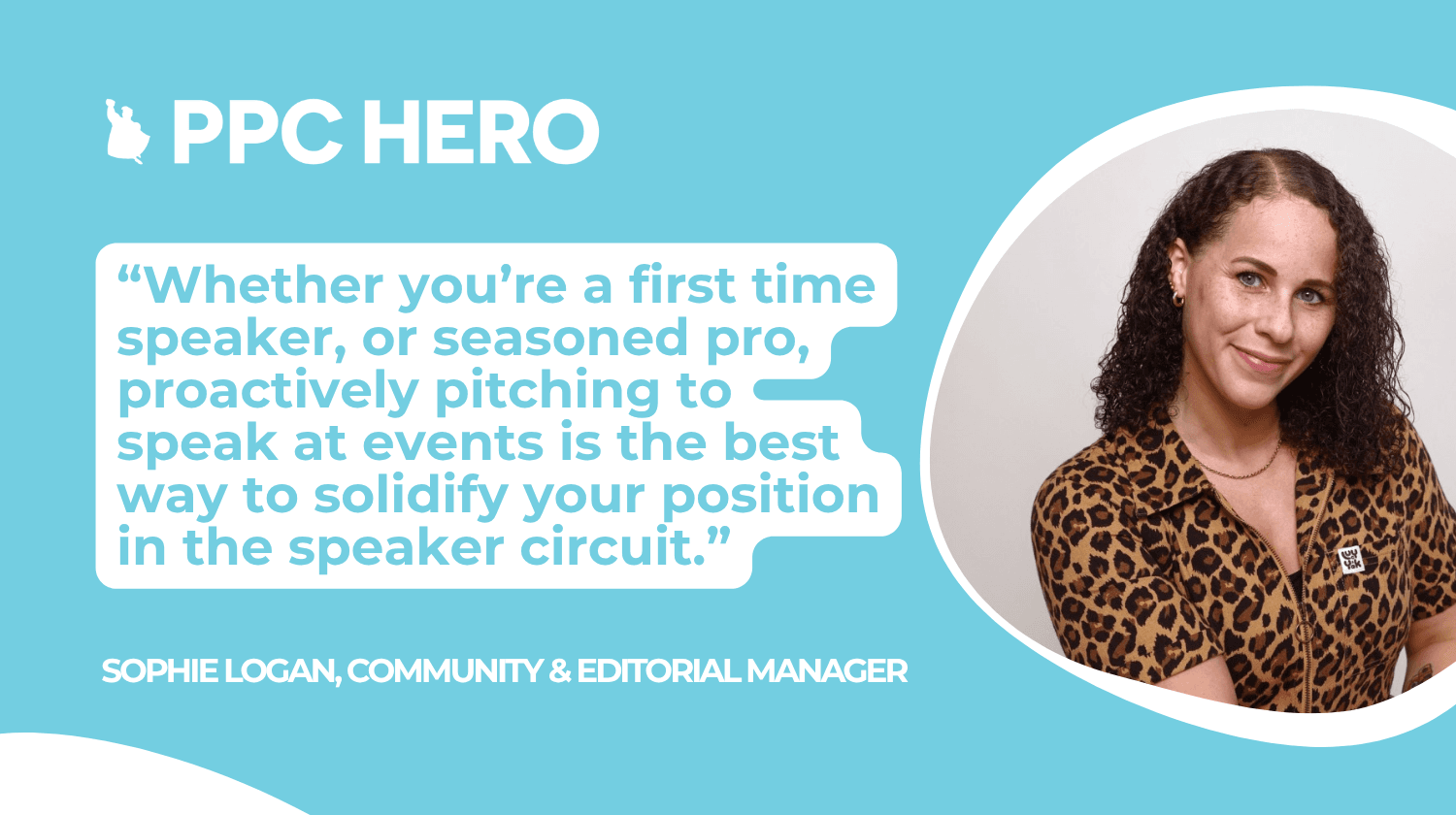
Whether you like it or loathe it, pitching is an essential part of building your presence as a speaker and getting yourself onto event agendas. This is why whether you’re a first time speaker, or seasoned pro, proactively pitching to speak at events is the best way to solidify your position in the speaker circuit. But how do you pitch to speak at an event and give yourself the best possible chance of success? Read on to find out. The post How to Pitch to Speak at Marketing Events first appear
Source Lens
Industry Context
Useful background context, but lower-priority than direct platform, community, or operator intelligence.
Impact Level
medium
Use this briefing to decide whether your team needs an immediate workflow, policy, or reporting change.
Key Stat / Trigger
No single quantitative trigger surfaced in this report.
Focus on the operational implication, not just the headline.
Full Coverage
By Sophie Logan - Tuesday June 23, 2026 Share (Twitter) WhatsApp Summarize ChatGPT Perplexity Grok Google AI Whether you like it or loathe it, pitching is an essential part of building your presence as a speaker and getting yourself onto event agendas.
Whilst some event organisers invite speakers directly to participate in their events, many also open speaking opportunities for speakers to pitch for. This not only gives speakers the chance to put themselves forward for consideration, but also helps event organisers discover fresh voices and perspectives that may not already be on their radar.
What’s more, unless you actively express an interest in speaking at an event, organisers are unlikely to know you’re available or keen to be involved. You can’t wait for organisers to come to you.
This is why whether you’re a first time speaker, or seasoned pro, proactively pitching to speak at events is the best way to solidify your position in the speaker circuit. But how do you pitch to speak at an event and give yourself the best possible chance of success? Here’s your guide.
What Marketing Event Organisers are Looking For To begin, let’s take a look at what event organisers are looking for when reviewing pitches, as this will help you to ensure that your submission stands out from the crowd. 1. Content vs credentials.
Many event organisers are less focused on your job title, company, or previous speaking experience, and more interested in the strength and relevance of your proposed talk. That being said, it’s important to remember that every event has its own preferences when shaping its agenda.
Some may prioritise experienced or well-established speakers, which can help drive ticket sales and event reach,while others may seek out new speakers and structure their agenda to cater for emerging voices in the industry. 2. Educational and actionable.
The best talks are the ones where the audience has learnt something new, and also come away with actionable steps/changes/strategies to implement. Remember the audience are going to events to learn something so that they can be better at their jobs, and event organisers are looking for talks which can help them do that. 3.
Unique perspectives Whilst there will always be core topics and perspectives covered on the agenda at marketing events, organisers are often on the lookout for something fresh and unique too. Above: Rank Fishkin speaking at brightonSEO US 2024 Have you been exploring a newly emerging PPC platform and want to show people how they can get started?
Have you found a different way to build a content strategy which doesn’t involve AI? Do you disagree with a SEO best practice and have a case study which backs up your feelings? These types of pitches are what really stand out to event organisers when they’re reviewing submissions. 4.
Event relevance Every event has its own objective and audience, and organsiers need to ensure that their agenda is relevant to what the audience want and expect to see covered. This may mean rejecting incredible pitches because they are not relevant to their event.
Research With what organizers are looking for in mind, the very first step you need to take before writing a pitch is to do your research. By researching events and speaking opportunities, you can build a pipeline of opportunities to pursue throughout the year.
This will also help you to better understand how to frame yourself as a speaker, and work out which events would best suit your specialism and interests. 1. Attend events Successful speakers don’t only take to the stage, they also spend time attending events and learning from others.
Gaining first-hand research is essential for understanding what makes an event and talk successful and growing your reputation as a speaker. 2. Make a pitching calendar Most events will announce their date and pitching deadlines well in advance, so make sure you are aware of these and plan accordingly.
This will help guide you on when you need to pitch and also ensure that you keep your diary clear should you be successful. Who wants to get accepted to speak at an event and then realise they’re on holiday?! 3. Think about your specialism You need to be confident and experienced in the topics you plan to cover in your talks.
There is no point in pitching to speak on a topic which you are only tangentially experienced in or can only offer top level coverage on. Start by making a list of topics you feel confident speaking about. Think about what other members of your team would come to you to ask advice on, or what you often talk about in social and blog content.
Tip: It’s also important to choose topics that genuinely interest you. Building a deck takes time and effort, from researching and building your slide deck to rehearsing and delivering the talk. Having a genuine passion for your subject will make the process much more enjoya
Original Source
This briefing is based on reporting from PPC Hero. Use the original post for full primary-source context.
Style
Audience