

Social Media Drives 1.7 Billion Annual Visits to UK High Streets
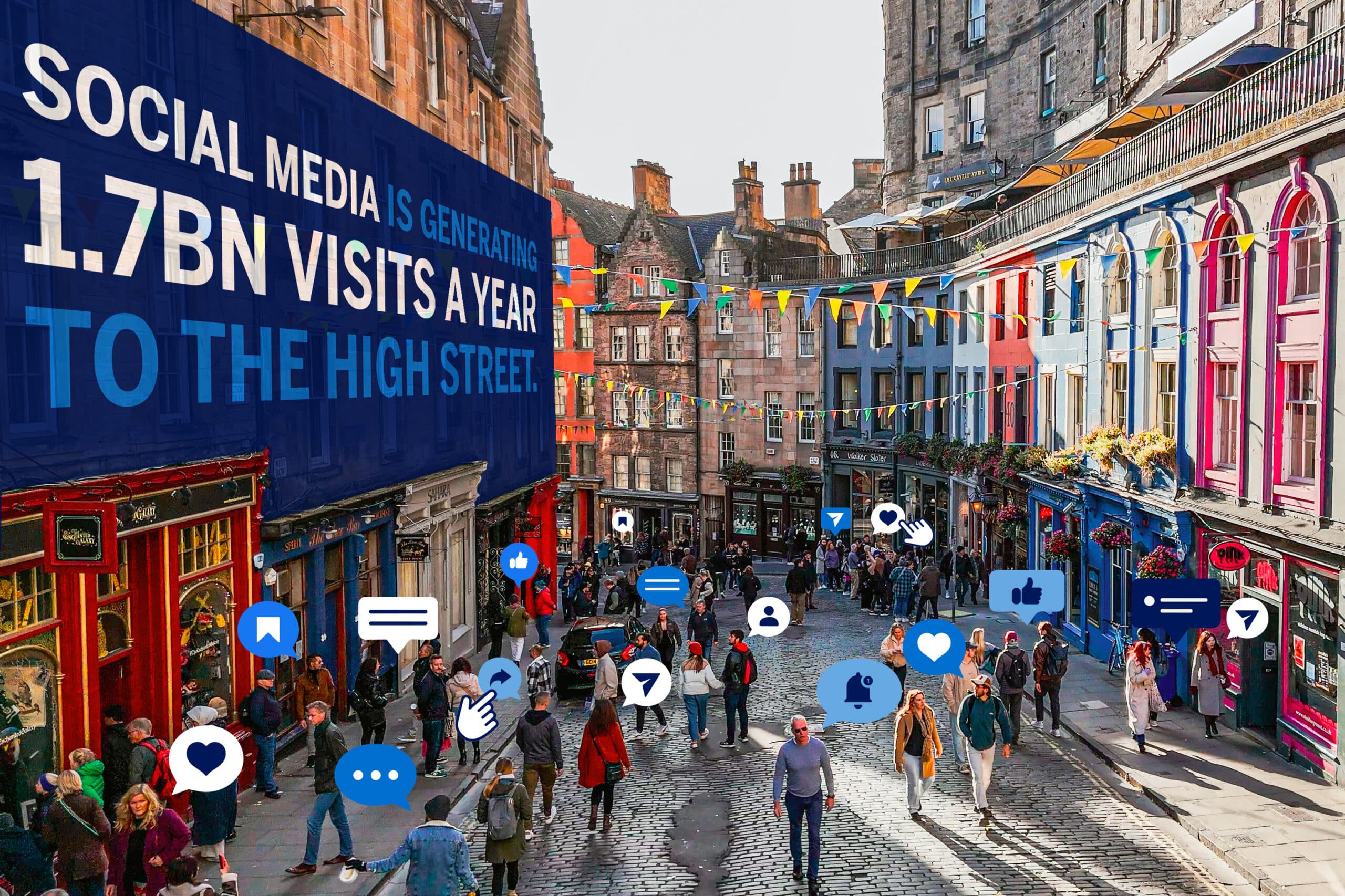
Far from drawing consumers away from physical retail, social media is driving an estimated 1.7 billion visits to UK high streets every year – an average of over 30 million visits a week – according to new research from American Express. The Hype to High Street study, conducted with analysts Retail Economics, found that nearly […]
Source Lens
Industry Context
Useful background context, but lower-priority than direct platform, community, or operator intelligence.
Impact Level
medium
Use this briefing to decide whether your team needs an immediate workflow, policy, or reporting change.
Key Stat / Trigger
No single quantitative trigger surfaced in this report.
Focus on the operational implication, not just the headline.
Full Coverage
Far from drawing consumers away from physical retail, social media is driving an estimated 1. 7 billion visits to UK high streets every year – an average of over 30 million visits a week – according to new research from American Express.
The Hype to High Street study, conducted with analysts Retail Economics, found that nearly two-thirds (63%) of UK adults have visited a shop or hospitality venue within the last year, such as a café or restaurant, after being influenced by content they saw on social media. Among Gen Z consumers (aged 18-28), that figure rises to 88%.
The study suggests social media has become a powerful driver of both customer footfall and loyalty, particularly among younger consumers. More than four in five (82%) consumers return to a business after a socially influenced first visit, rising to 96% among Gen Z.
These customers are also powerful advocates; nearly eight in ten (79%) say they shared their most recent visit in some way – whether that meant recommending that business, posting about it on social media or leaving a review online. Among Gen Z, that figure rises to 89%.
The ‘viral pilgrimage’ economy Short-form social content is helping translate viral and ‘hot’ products into offline demand, with the rise of products such as Dubai chocolate and matcha drinks, along with trending locations or experiences motivating consumers to visit in person.
This points to the emergence of a new ‘viral pilgrimage’ economy, where consumers travel significant distances to other towns and parts of the country, to experience products, venues and trends they first discovered online. Over a third (35%) of Gen Z consumers have travelled to another city or region to purchase a product they first saw trending online.
Once there, nearly nine in ten (87%) say they would be willing to queue for a sought-after product or experience. Social influence is driving spend The research is based on a survey of 2,000 UK adults, combined with economic modelling used to calculate the total value and volume of social media-influenced spending on UK high streets.
Nearly nine in 10 (87%) respondents reported spending money during a socially influenced visit, rising to 94% among Gen Z shoppers.
More broadly, Retail Economics’ modelling suggests that social media now influences one in every 20 in-person high street purchases across the UK, highlighting its growing role in converting online engagement into real-world spending.
The domino effect of viral footfall At a time when many high streets continue to face pressures, the research also shows that the benefits of socially influenced visits extend beyond individual businesses, generating wider economic value for surrounding retailers, restaurants and other venues.
Almost a third (32%) of consumers visited additional nearby shops, restaurants or venues during the same socially influenced trip, while more than one in five Gen Z shoppers (22%) said they spent more than originally planned once they arrived. Social media has become the new shop window for Britain’s high streets.
What starts as a scroll on social is increasingly translating into real-world visits, increased spending and growth opportunity for businesses across the UK.
What’s striking is that the impact doesn’t stop at the venue that first caught a consumer’s attention – social media is creating a domino effect that benefits neighbouring businesses and helps entire high streets thrive.
For merchants, particularly those looking to attract younger consumers, the ability to turn online hype into memorable in-person experiences has never been more important. At American Express, we’re committed to championing the UK’s high streets and the businesses that power them, helping merchants make the most of these changing consumer behaviours.
– Dan Edelman, UK General Manager, Merchant Services, American Express Case study – House of Kind House of Kind, a London-based womenswear brand, is one of those businesses. After one of their T-shirts went viral following a collaboration with charity 50:50 Parliament, there has been a lasting impact on their online and in person sales.
When one of our T-shirts went viral, the response was immediate – our Instagram followers grew by 67% in days, website traffic jumped by over 400%, and the product sold out across multiple sizes. At an independent Soho boutique where we are stocked, our in-person sales went up by 60% that week.
This won us a new loyal customer base, and we’ve seen a lasting positive effect on the business. – Sonica Beckmann, Founder and CEO, House of Kind Social media is not just driving online sales, it is now also influencing in-person spend on the UK high street.
The channel’s growth underlines just how quickly shopping via social has become mainstream, as well as the extent of its positive contribution to the long-term health of UK high streets. Social media is becoming an increasingly important driver of footfall in its own right, helping turn shops, restaurants and v
Original Source
This briefing is based on reporting from Tamebay. Use the original post for full primary-source context.
Style
Audience