Drinking water or warships? Panama Canal reverses ship restrictions
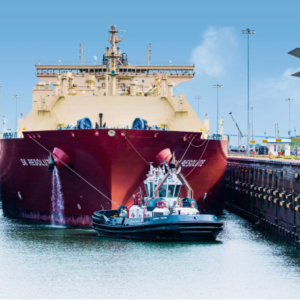
The Panama Canal Authority postponed a planned draft reduction from 48 feet to 47.5 feet that was set for October 1, keeping full vessel capacity intact through peak season. Sellers importing trans-Pacific goods via the largest container ships avoid near-term cargo weight restrictions.
This is a temporary reprieve in a pattern of climate-driven supply chain volatility that periodically compresses container capacity and inflates spot rates — sellers over-reliant on single-route Pacific sourcing remain exposed to sudden policy reversals.
The avoided restriction prevents the load-shedding that would have forced carriers to split shipments or roll cargo, which historically triggers rate spikes and delays on Asia-US lanes. Sellers on long lead-time replenishment cycles for Q4 should still monitor Gatun Lake updates — canal officials confirmed ongoing evaluation with no guaranteed stability beyond current conditions.
Operational Impact
This story may require teams to revisit workflows, monitoring, or platform assumptions.
Bottom Line
Canal draft restriction delay keeps Q4 trans-Pacific capacity intact for now.
Source Lens
Industry Context
Useful background context, but lower-priority than direct platform, community, or operator intelligence.
Impact Level
medium
Canal draft restriction delay keeps Q4 trans-Pacific capacity intact for now.
Key Stat / Trigger
48-foot draft limit maintained through at least October 1
Focus on the operational implication, not just the headline.
Full Coverage
The Panama Canal Authority has postponed a planned reduction in the maximum authorized draft for vessels transiting the neopanamax locks, keeping the current 14. 63-meter (48-foot) limit in place. A previously announced reduction to 47.
5 feet, which was scheduled to take effect on October 1, has been delayed following the waterway’s latest review of Gatun Lake levels and weather projections. Gatun supplies drinking and other water for civilian services, in addition to canal operations.
Initial concerns around drought conditions and severe effects of the El Nino weather phenomenon had led to the draft restrictions. Shallower draft meant that the largest container vessels faced the prospect of transiting the canal at less than full tonnage, a factor that could have hampered vessel rotations, port operations, and network fluidity.
It’s also possible that reduced post-peak season ship traffic on the trans-Pacific would help to ease the water supply situation. The decision means customers can continue operating under the existing draft limit without immediate changes to voyage planning or vessel deployment. The waterway is also a critical route for U. S. warships.
The biggest include the neopanamax Wasp-class amphibious vessels, and America-class “big deck” amphibious naval ships. Canal officials said will continue evaluating water conditions and will provide advance notice of any future changes that may affect vessel draft requirements. Read more articles by Stuart Chirls here.
Read more: Sustainability goals: New analysis shows 31% emissions gap between ocean carriers on same trade lane Fuel, congestion push trans-Pacific ocean rates near $9,500 Jones Act service gets new 10-year port deal Maersk unfurls new sail power for container ship New data shows on-time container shipping suffers biggest drop in 5 years The post Drinking water or warships?
Panama Canal reverses ship restrictions appeared first on FreightWaves.
Check your freight forwarder's vessel booking confirmations for neopanamax ships on trans-Pacific lanes — if any show draft exceptions or weight caveats, escalate before October sailings to avoid partial cargo delays into Q4.
Set a 30-day alert on FreightWaves or Flexport dashboard for Panama Canal draft changes — any new restriction announcement will require immediate review of November and December inbound shipment plans.
Original Source
This briefing is based on reporting from Freightwaves. Use the original post for full primary-source context.
Style
Audience