

State of Sustainable Fleets 2026: Fleets diversify amid policy shifts
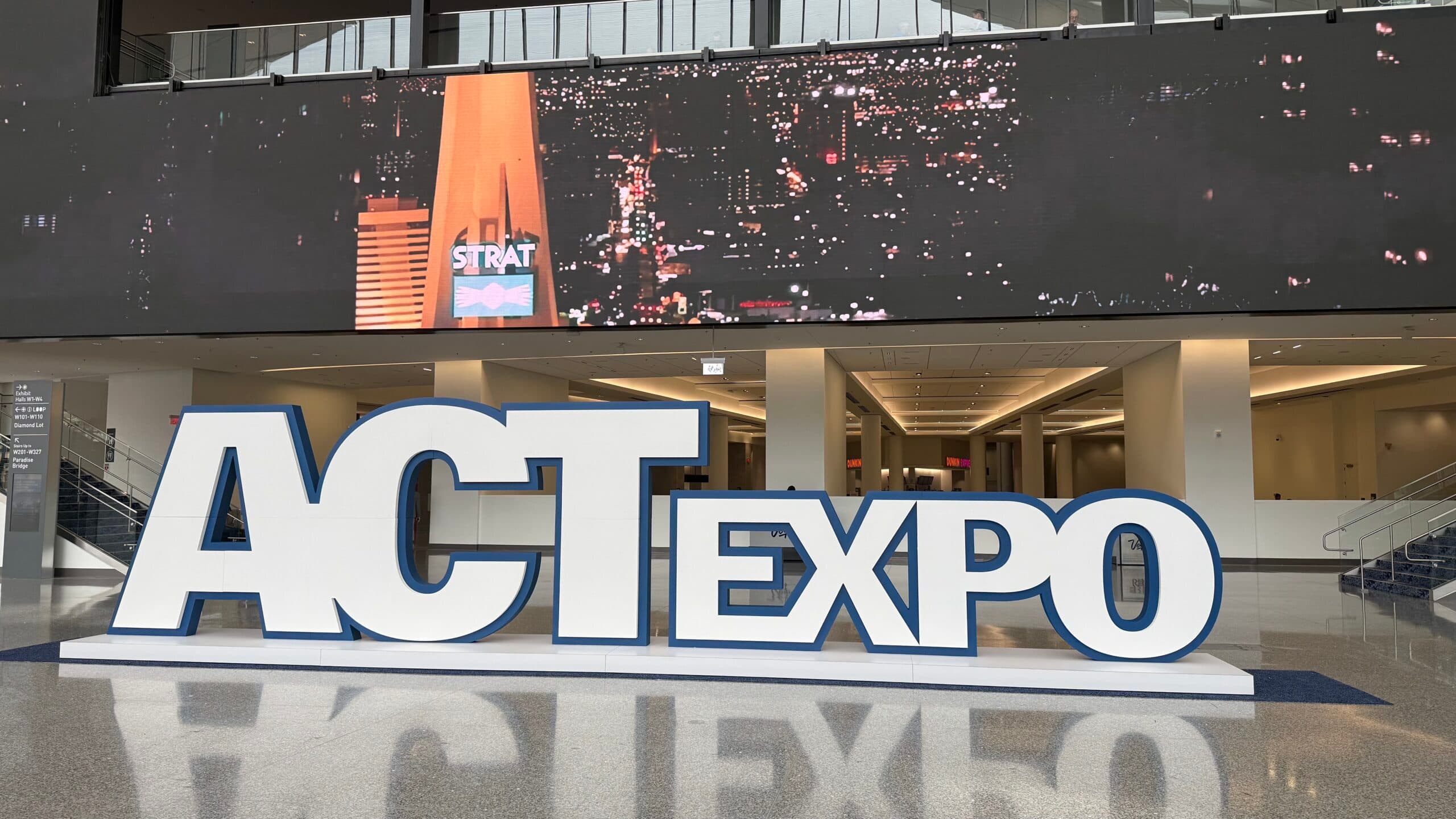
The seventh annual State of Sustainable Fleets report lands as fleets face one of the most uncertain environments in decades. Tariff disruptions, regulatory reversals and a prolonged freight recession have suppressed new vehicle orders across every drivetrain. Federal policy shifts erased the previous federally driven push toward zero-emission trucks. The rollback of greenhouse gas vehicle […] The post State of Sustainable Fleets 2026: Fleets diversify amid policy shifts appeared first on Freigh
Source Lens
Industry Context
Useful background context, but lower-priority than direct platform, community, or operator intelligence.
Impact Level
medium
Use this briefing to decide whether your team needs an immediate workflow, policy, or reporting change.
Key Stat / Trigger
No single quantitative trigger surfaced in this report.
Focus on the operational implication, not just the headline.
Full Coverage
The seventh annual State of Sustainable Fleets report lands as fleets face one of the most uncertain environments in decades. Tariff disruptions, regulatory reversals and a prolonged freight recession have suppressed new vehicle orders across every drivetrain. Federal policy shifts erased the previous federally driven push toward zero-emission trucks.
The rollback of greenhouse gas vehicle standards, expiration of commercial zero-emission vehicle tax credits worth up to $40,000 per medium- and heavy-duty unit, and nullification of California’s clean truck regulations left fleet managers unsure what to order next. Available funding for clean projects still exceeds pre-Biden levels.
There remains more than $5 billion flowing annually from state, local and utility programs through 2028. California alone held roughly $1 billion in grants for on-road trucks and buses last year and reserved $592 million in vouchers for 3,569 Class 2b-8 zero-emission vehicles through its Hybrid and Zero Emission Truck and Bus Voucher Incentive Project.
Markets mature across fuels Natural gas engines saw growth. The Cummins X15N 15-liter natural gas engine finished its first full commercial year with diesel-like performance and clear cost wins. Among fleets running the engine, 71% reported savings versus diesel and 59% versus other natural gas vehicles. Battery electric also delivered on savings.
Medium- and heavy-duty battery-electric vehicle registrations rose 21% in 2025. Fleets operating medium-duty BEVs said the trucks delivered lower operating costs than the vehicles they replaced. For RNG, California is king. Renewable diesel and biodiesel displaced nearly three-quarters of conventional diesel in California’s transportation market in 2024.
“Renewable diesel makes the single biggest carbon reduction of all alternative fuels in use, and at no additional cost over petroleum diesel,” said Richard Battersby, assistant director of Oakland Public Works. Propane use grew steadily, and expanded among school districts. The market burned an estimated 1.
8 million more gallons in 2025 than the prior year, and more than 23,000 propane school buses now serve 1,100 districts in 49 states. Private propane fueling deals dominate, with many Midwest districts locking in prices between $1. 32 and $1. 90 per gasoline-gallon equivalent — 47% to 63% below gasoline’s 2025 average of $3. 60. Hydrogen remains an outlier.
Fleets paid $18. 86 per kilogram after incentives — an 89% to 135% premium over diesel. Industry analysts say the fuel must reach $8 to $10 per kilogram for fuel-cell trucks to break even with diesel. Regional Clean Hydrogen Hub funding cancellations and the exit of two Class 8 fuel-cell startups left the segment in its toughest spot yet.
AI moves from pilots to daily ops One notable area was the increasing AI adoption rate among fleet managers. Nearly half of fleet managers — 48% — now use artificial intelligence, primarily for route planning and dispatching (21%), maintenance diagnostics (19%) and preventive maintenance (19%).
By 2027 they expect 35% of their fleets to be AI-enabled, up from roughly 20% today. Autonomous trucking pilots are also advancing: Volvo’s VNL Autonomous paired with the Aurora Driver is hauling freight for DHL and Uber Freight in Texas, while Kodiak has doubled its driverless Class 8 fleet and logged more than 5,200 hours of paid driverless operation.
Diesel still dominant but cleaner Class 8 tractors posted strong efficiency numbers, with two units in a North American Council for Freight Efficiency demonstration averaging 11. 6 miles per gallon over 22,550 miles. Renewable natural gas made up 97% of all natural gas fuel used in California transportation last year.
Leading fleets including Walmart, Amazon, UPS, FedEx and Werner placed X15N orders in the engine’s debut commercial year. Global signals point to growth The global market continues to grow. Battery costs in China have fallen to $90 per kilowatt-hour, and battery-electric trucks now hold 22% of that country’s heavy-duty market.
AI-driven freight automation on electric trucks could cut fleet-level total cost of ownership by 8% to 13%, compared with the roughly 3% average savings from simple diesel-to-BEV swaps.
One core takeaway: fleets that spread risk across multiple technology pathways are proving more resilient to sudden policy and market shocks than those waiting for one perfect solution. The post State of Sustainable Fleets 2026: Fleets diversify amid policy shifts appeared first on FreightWaves.
Original Source
This briefing is based on reporting from Freightwaves. Use the original post for full primary-source context.
Style
Audience