

Anti-merger group launches as UP, NS prepare to refile application
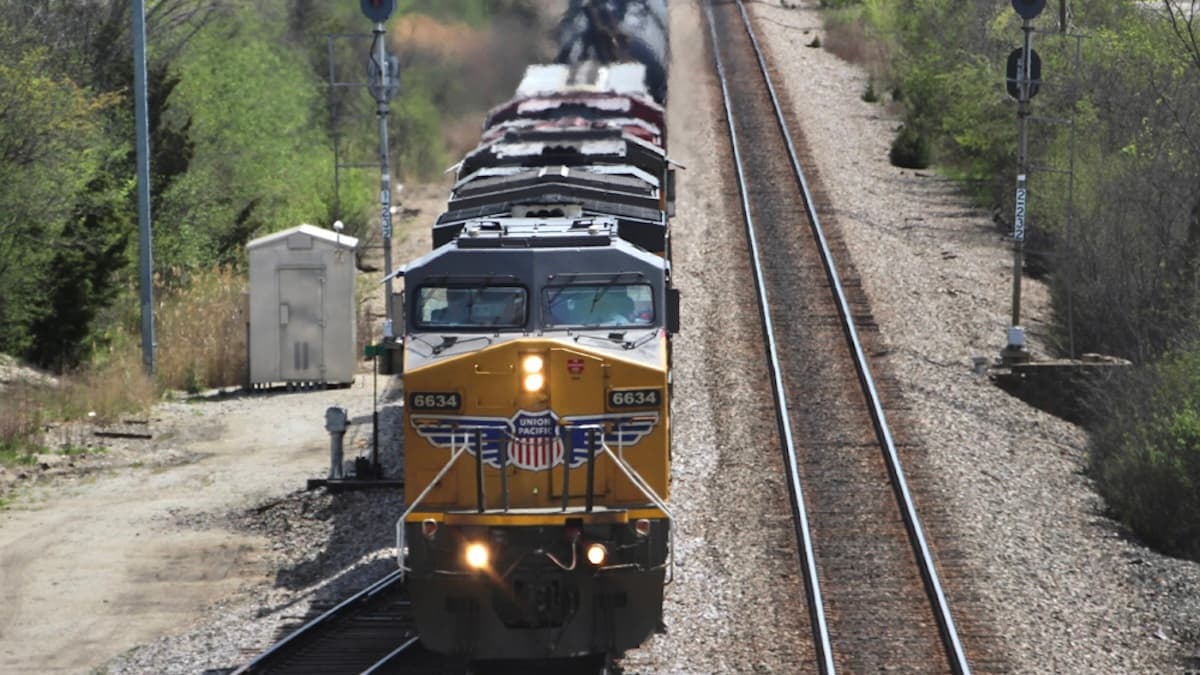
Union Pacific and Norfolk Southern are refiling their merger application April 30 to create a 53,000-mile transcontinental railroad network. A coalition led by rival railroads BNSF and CPKC launched to oppose the merger, citing reduced competition and higher costs.
Rail consolidation could reduce shipping options and increase freight costs for sellers moving inventory between coasts or from manufacturing hubs. Monitor your current rail-dependent supply chains and identify backup trucking routes before potential service disruptions during integration.
This represents continued supply chain consolidation that reduces seller leverage in freight negotiations, similar to how carrier mergers have limited shipping options for ecommerce fulfillment.
Review your inbound shipping routes in your WMS or 3PL dashboard - if you rely on UP or NS rail service, map alternative trucking options now.
Calculate cost impact scenarios for your heaviest shipping lanes using current rail vs truck rates to prepare for potential 10-15% increases.
Bottom Line
Rail mega-merger could squeeze shipping costs for inventory-heavy sellers.
Source Lens
Industry Context
Useful background context, but lower-priority than direct platform, community, or operator intelligence.
Impact Level
medium
Rail mega-merger could squeeze shipping costs for inventory-heavy sellers.
Key Stat / Trigger
53,000 miles of track in 43 states
Focus on the operational implication, not just the headline.
Full Coverage
While Union Pacific and Norfolk Southern prepare to file an updated merger application with regulators, rival railroads, shippers and their stakeholders unveiled a unified front aimed at stopping the transcontinental consolidation.
The Stop the Rail Merger Coalition in a release late Wednesday warned the merger “would reduce competition, drive up costs for American manufacturers, farmers and consumers, and inject new vulnerabilities into the nation’s workforce and supply chain, at a moment when affordability and resilience matter most.”
The group is anchored by BNSF (NYSE: BRK-B) and CPKC (NYSE: CP), joined by major agriculture and chemical shippers groups, as well as the Teamsters labor union. The merger, if approved, would reshape the American supply chain, a behemoth with 53,000 miles of track in 43 states.
UP (NYSE: UNP) and NS (NYSE: NSC) claim a seamless coast-to-coast railroad will convert 2 million truckloads to rail annually, making the journey in as little as 4 days – competitive with motor carriers.
They also say streamlined handling of freight will open up the Upper Mississippi watershed to expanded rail freight, and reduce delays through key hubs such as Chicago, Kansas City and New Orleans. window. googletag = window. googletag || {cmd: []}; googletag. cmd. push(function() {googletag.
defineSlot('/21776187881/FW-Responsive-Main_Content-Slot1', [[300, 100], [320, 50], [728, 90], [468, 60]], 'div-gpt-ad-1709668545404-0'). defineSizeMapping(gptSizeMaps. banner1). addService(googletag. pubads()); googletag. pubads(). enableSingleRequest(); googletag. pubads(). collapseEmptyDivs(); googletag. enableServices(); }); googletag. cmd.
push(function() {googletag. display('div-gpt-ad-1709668545404-0'); }); But the coalition said a national poll conducted by McLaughlin & Associates found nearly 71% of Americans oppose the merger after learning about its impacts, while just 20% support it.
A total 68% believe the merged company would keep promised cost savings for itself, rather than passing them on to businesses or consumers. The Surface Transportation Board in January rejected the initial merger application as incomplete.
It asked the partners for more information on market share projections, terms that would permit UP’s withdrawal from the deal, and plans for divestment of a switching railroad that handles interchange traffic in St. Louis.
Chemical producers and other shippers who suffered service issues under previous mergers earlier coalesced under the Rail Customer Coalition banner; this is the first time Class I railroads have joined that branding. “It’s unfortunate these groups are distorting the facts,” an NS spokesperson said in an email to FreightWaves.
“The benefits for our workforce, our customers and the American economy are clear – our amended, data-backed application, which we will file April 30 with the STB, clearly reinforces the case for a coast-to-coast railroad, making rail more competitive to other modes of transportation, reducing costs and delivering benefits that will make American goods more affordable.”
Union Pacific Chief Executive Jim Vena has forcefully lobbied for the deal, which some analysts say represents the first modernization of the national rail network since the mergers of the 1990s.
President Donald Trump gave his approval after UP made a donation to his ballroom construction project; the railroad later put his name on a special locomotive commemorating the U. S. A. 250th anniversary. Subscribe to FreightWaves’ Rail e-newsletter and get the latest insights on rail freight right in your inbox. window. googletag = window.
googletag || {cmd: []}; googletag. cmd. push(function() {googletag. defineSlot('/21776187881/fw-responsive-main_content-slot3', [[728, 90], [468, 60], [320, 50], [300, 100]], 'div-gpt-ad-1665767553440-0'). defineSizeMapping(gptSizeMaps. banner1). addService(googletag. pubads()); googletag. pubads(). enableSingleRequest(); googletag. pubads().
collapseEmptyDivs(); googletag. enableServices(); }); googletag. cmd. push(function() {googletag. display('div-gpt-ad-1665767553440-0'); }); Read more articles by Stuart Chirls here.
Original Source
This briefing is based on reporting from Freightwaves. Use the original post for full primary-source context.
Style
Audience