

Iran war escalation rankles plastic supply chains
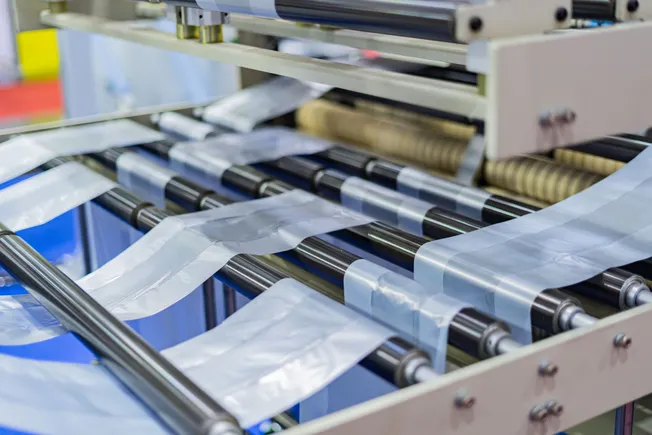
July fighting squashed the promise of a June ceasefire and the Strait of Hormuz reopening, creating a “stop-start recovery” for the flow of virgin materials as prices rise.
Source Lens
Industry Context
Useful background context, but lower-priority than direct platform, community, or operator intelligence.
Impact Level
medium
Use this briefing to decide whether your team needs an immediate workflow, policy, or reporting change.
Key Stat / Trigger
No single quantitative trigger surfaced in this report.
Focus on the operational implication, not just the headline.
Full Coverage
An article from Iran war escalation rankles plastic supply chains July fighting squashed the promise of a June ceasefire and the Strait of Hormuz reopening, creating a “stop-start recovery” for the flow of virgin materials as prices rise.
Published July 24, 2026 Katie Pyzyk Lead Reporter Share Copy link Email / Print License Add us on Google Polyolefin resins, including polyethylene used for making flexible and rigid packaging, are among the plastics most affected by supply chain disruptions and price spikes stemming from the war with Iran.
Getty Images First published on Listen to the article 8 min This audio is auto-generated. Please let us know if you have feedback. In June, hope abounded that a preliminary U. S. ceasefire with Iran and the Strait of Hormuz reopening would renormalize plastics markets following war-related supply chain disruptions and price spikes.
But in July, the conflict again escalated, causing disturbances and uncertainty, and pushed some converters further toward swapping out virgin materials for recycled resins. Experts believe one thing is clear for both virgin and recycled markets: Impacts will now last into 2027 regardless of when the conflict potentially ends.
Global petrochemical and polyolefin movement aligns with overall ship activity through the Strait of Hormuz, which dropped off precipitously during the war’s early days in March. Activity remained depressed for months but showed signs of life in late June following the peace deal announcement. That quickly fizzled when bombing resumed in July.
Today, ship movement is closer to the low levels observed in early spring, according to the latest data from PortWatch.
Strait of Hormuz ship activity dropped sharply in early March and remained low until a brief uptick in early July The 2026 seven-day moving average of ships arriving in the Strait of Hormuz compared with the 2025 seven-day moving average The strait is a leading trade route for polyolefins and their raw material supplies, and volumes can’t be quickly rerouted when it closes, said Jim Owen, senior packaging and logistics analyst at Rabobank.
Even U. S. packaging converters that source material domestically have felt the pinch, he said, considering resin is a global commodity. Virgin resin vulnerabilities didn’t materialize overnight or come from just one place. Rather, 30 years of investments in cheap resin production concentrated in the Middle East, U. S.
and China led to a structural oversupply of polyolefins and the Strait of Hormuz becoming a choke point, according to Owen. The overabundance of low-cost supply enticed cost-conscious procurement officers, prompting many to overlook the risks. “Procurement’s memory is short,” Owen said.
It takes time for supply chains to restabilize after a shock like the Strait of Hormuz closing, and the rapid switches from war to peace and back again have resulted in a “stop-start recovery,” Owen said.
Post-war virgin resin renormalization should be a process best measured in quarters, not weeks, he said, stating expectations for resin prices to remain high through the rest of the year and into next year.
“The reality is, there’s boats that still haven’t left, there’s ports that haven’t cleared, there’s stockpiles of resin that haven’t moved — and now potentially a longer-term closure ahead,” Owen said.
Supply-and-demand stress rapidly drove virgin plastics prices to sky-high levels in the spring, but prices declined briefly during the promise of peace in June, said Esteban Sagel, principal and CEO at Chemical and Polymer Market Consultants. The grades most affected are used in flexible packaging, but those used in rigids also are under pressure.
Crude oil prices have leaped again, including Thursday’s surge to the highest point in two months. Polyolefin prices are expected to follow, experts say.
In fact, in Dow's second-quarter earnings release Thursday, the company noted a 30 % year-over-year local price boost in its Packaging & Specialty Plastics division, driven by higher PE prices in all regions, despite a 4% year-over-year drop in volumes.
And during the company’s earnings call, executives touted indirect benefits from the Middle East conflict, flagging the likelihood of the company again raising prices for both polyolefins and packaging.
Middle Eastern petroleum infrastructure has been damaged during fighting, and petroleum-derived naphtha is a key feedstock for global polyethylene production; however, North America — the second largest global PE exporter — is more reliant on ethane made domestically from natural gas.
In addition, roughly 18 large-scale PE plants either fully or partially shut down early in the conflict, resulting in a loss of more than 9. 1 million metric tons of material, Sagel said. The situation is similar, but less severe, for polypropylene, which lost about 3 million metric tons of production.
“That’s a lot of material that was, poof, gone,” he said. Businesses along t
Original Source
This briefing is based on reporting from Supply Chain Dive. Use the original post for full primary-source context.
Style
Audience