

5 Content Marketing Ideas for April 2026
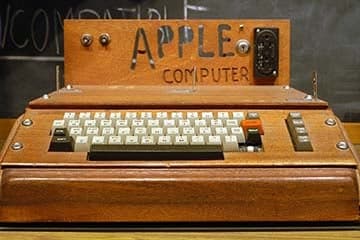
Practical Ecommerce suggests April 2026 content topics including Apple computers, burritos, beer, and zippers for ecommerce marketers. No platform policy changes, fee updates, or operational impacts involved.
Seasonal content calendars have marginal relevance for marketplace sellers since Amazon, Walmart, and Target algorithms prioritize listing optimization and ad spend over blog content. Agencies managing DTC sites may extract minor value, but marketplace-focused operators should skip this.
As AI-generated content floods organic search, marketplace sellers should prioritize on-platform search optimization over off-platform content marketing — widening the gap between DTC and marketplace growth strategies.
Plan April content calendar around suggested seasonal topics (Apple products, food items, beverages) and leverage Google Discover to increase organic visibility for product listings.
Skip this for marketplace strategy — instead use Amazon's Search Query Performance report to find seasonal keyword spikes for April and update listing copy accordingly.
If you run a DTC site alongside marketplace channels, map any April content themes to corresponding Sponsored Brand video campaigns to capture cross-channel intent.
Bottom Line
Generic content calendar ideas offer near-zero value for marketplace sellers.
Source Lens
Industry Context
Useful background context, but lower-priority than direct platform, community, or operator intelligence.
Impact Level
medium
Generic content calendar ideas offer near-zero value for marketplace sellers.
Key Stat / Trigger
No single quantitative trigger surfaced in this report.
Focus on the operational implication, not just the headline.
Full Coverage
Full article available at the original source.
This article does not include enough body copy to render a full editorial reading experience on MarketplaceBeta yet.
Read the original reportingOriginal Source
This briefing is based on reporting from Practical Ecommerce. Use the original post for full primary-source context.
Style
Audience