

Short line rail hits T&I truck benefits, costly safety mandates
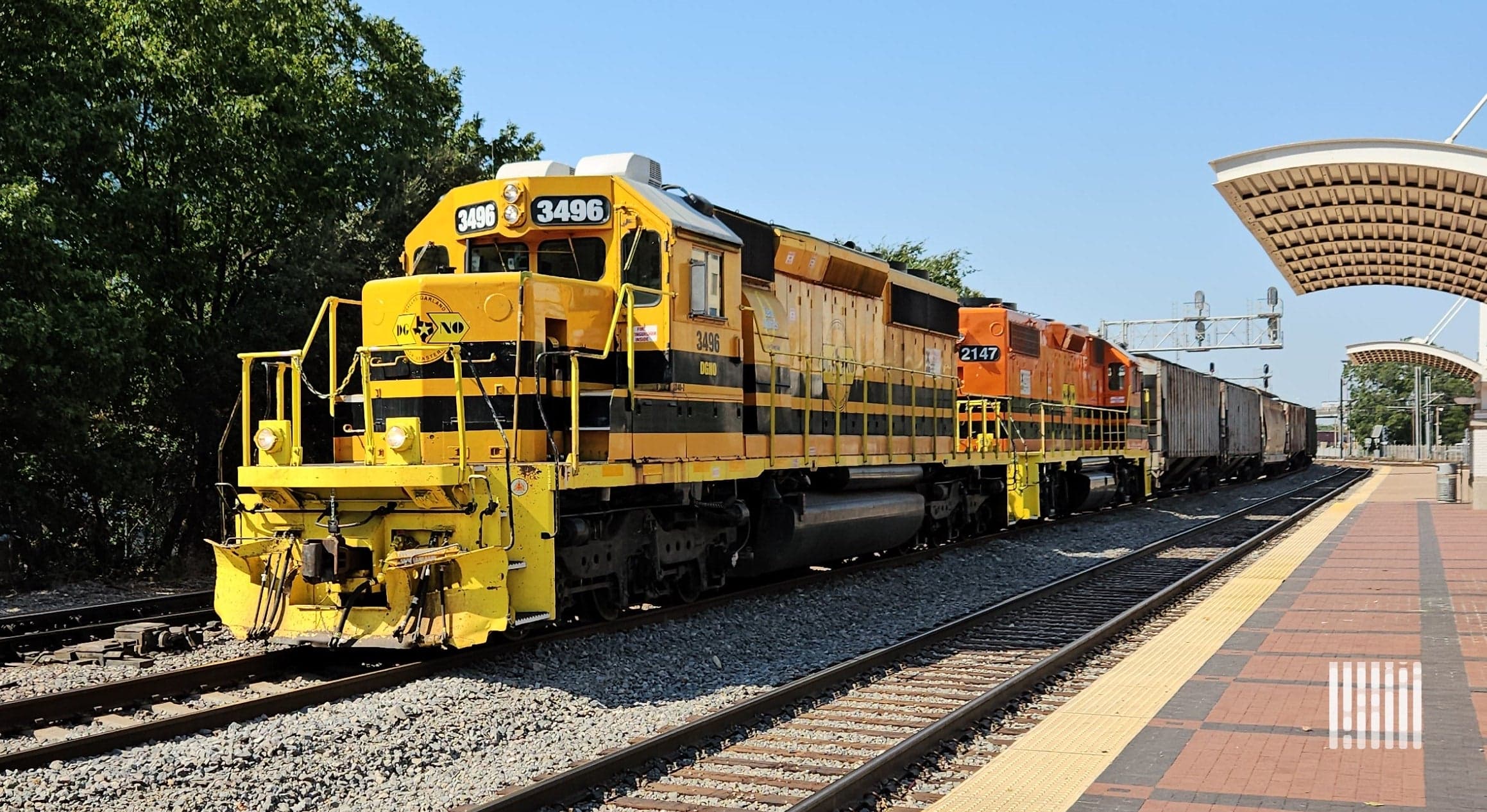
An industry trade group says the new surface transportation legislation offers some rail-positive provisions, but expressed disappointment at inclusions favoring heavier trucks and expensive safety mandates. The post Short line rail hits T&I truck benefits, costly safety mandates appeared first on FreightWaves.
Source Lens
Industry Context
Useful background context, but lower-priority than direct platform, community, or operator intelligence.
Impact Level
medium
Use this briefing to decide whether your team needs an immediate workflow, policy, or reporting change.
Key Stat / Trigger
No single quantitative trigger surfaced in this report.
Focus on the operational implication, not just the headline.
Full Coverage
A short line rail trade association said positive aspects of surface transportation legislation contrast with elements that favor trucking and burdens railroads with costly safety mandates.
The House Transportation & Infrastructure Committee on Thursday released its markup of the surface transportation reauthorization bill, rebranded as the BUILD America 250 Act.
It’s part of the Infrastructure Investment and Jobs Act (IIJA) passed in 2021 that authorizes multi-year investments in infrastructure including highways, transit, rail, broadband, water systems, and energy transmission.
Calling the text a “first draft” ahead of full congressional debate, ASLRRA President Chuck Baker welcomed robust authorization of the Federal Railroad Administration’s Consolidated Rail Infrastructure and Safety Improvements (CRISI) grant that helps fund rail projects, as well as continuation of funding for the Section 130 grade crossing upgrade program.
“However, if the final legislation provides only an authorization for CRISI without the guaranteed funding included under the IIJA, it will represent a step backward for short line rail investment,” Baker said. Baker’s critique echoed disappointment among railroads, shippers and other rail stakeholders.
“[W]e were disappointed to see an amendment accepted to increase truck weights to 91,000 pounds in some states through a 10-year pilot program. Heavier trucks would shift freight from the safer and more sustainable rail network onto the more dangerous and already overburdened and heavily subsidized highway network,” he said.
It’s an annual ritual for rail interests to lobby against bigger and heavier trucks, as well as for revenue streams obligating truckers to pay their fair share of publicly-funded highway maintenance. Most rail infrastructure is privately-owned and operators have to pay real estate and other taxes on it.
The adoption of the Railway Safety Act following its endorsement by President Donald Trump is problematic for the biggest railroads and their short line partners. “While short line railroads were not directly targeted, these provisions would nonetheless impose costly and inflexible mandates on the rail network as a whole if passed into law,” Baker said.
“At a time when the public is concerned with rising costs, these amendments do not serve our nation well.”
The bill includes first steps toward creating a user-pay system for the Highway Trust Fund (HTF) – the first new HTF revenue stream in decades – but Baker pointed out that federal funding is still needed to make up the $50 billion annual shortfall between planned contract authority spending of $95 billion per year and HTF revenue of approximately $45 billion per year.
He called on Congress to restore a sustainable user-funded model for HFT, or restructure the system which heavily subsidizes highways while rail relies on discretionary appropriations. Subscribe to FreightWaves’ Rail e-newsletter and get the latest insights on rail freight right in your inbox. Read more articles by Stuart Chirls here.
Original Source
This briefing is based on reporting from Freightwaves. Use the original post for full primary-source context.
Style
Audience