

Two companies, on same day, ask for relief from HOS rules
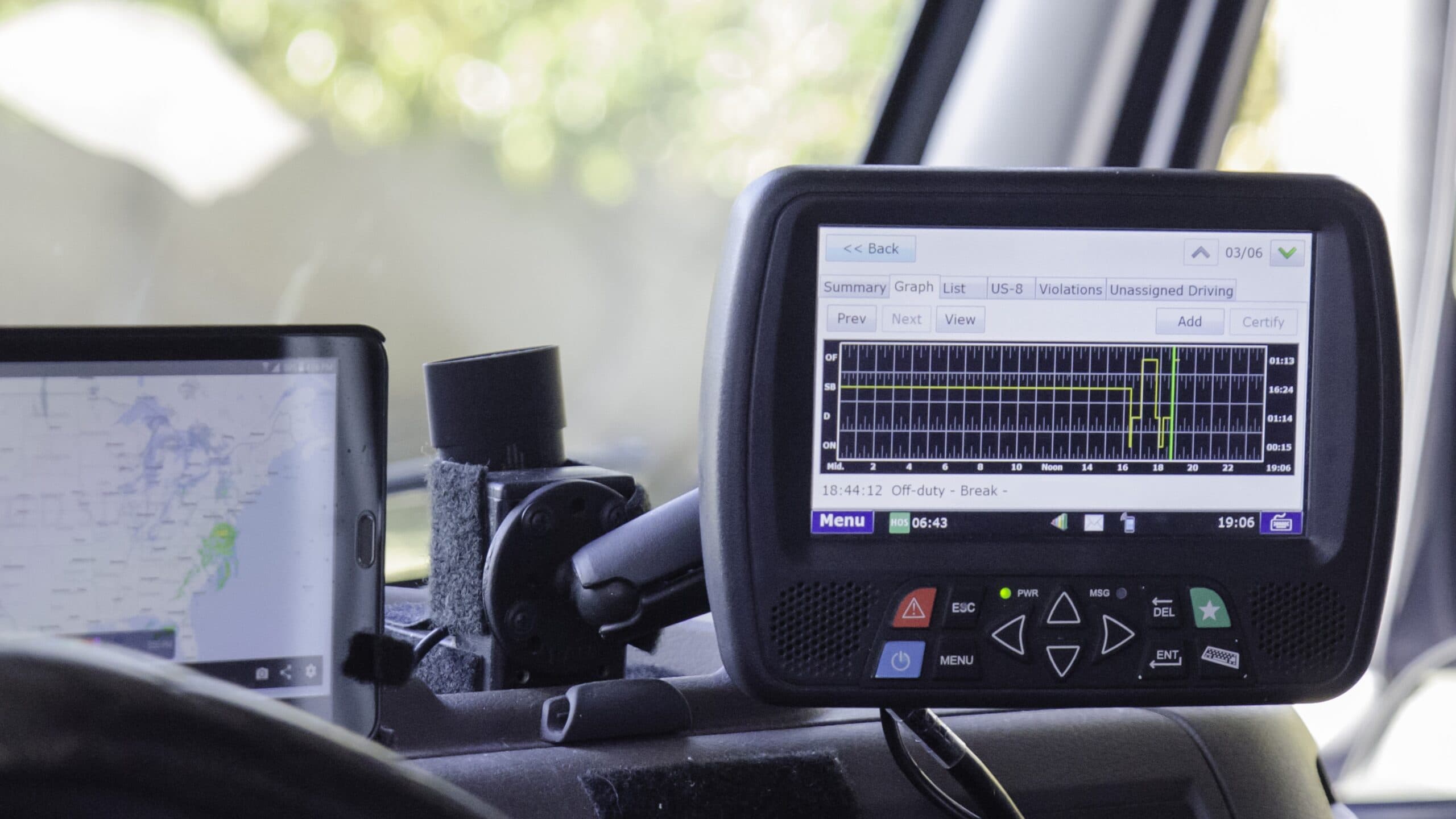
Two separate companies have asked for longer-term relief from Hours of Service rules. The post Two companies, on same day, ask for relief from HOS rules appeared first on FreightWaves.
Source Lens
Industry Context
Useful background context, but lower-priority than direct platform, community, or operator intelligence.
Impact Level
medium
Use this briefing to decide whether your team needs an immediate workflow, policy, or reporting change.
Key Stat / Trigger
No single quantitative trigger surfaced in this report.
Focus on the operational implication, not just the headline.
Full Coverage
Two private companies have applied to the Federal Motor Carrier Safety Administration (FMCSA) for relief from Hours of Service (HOS) rules that could lift those restrictions for five years. Exemptions are not the same as waivers from FMCSA, which generally have a much shorter duration.
Most of the exemptions that are in place now were granted by FMCSA for four to five years.
Many of them are for broad types of drivers, such as those working under the umbrella of the Specialized Carriers & Rigging Association, who are working under an exemption that goes to 2030 enabling drivers hauling heavy loads to skip the mandated 30-minute break under the HOS rules.
Private entities that have waivers include steelmaker Cleveland Cliffs (NYSE: CLF). Ten in effect FMCSA’s page of HOS exemptions lists 10 entities, both private companies and associations of drivers, that are operating under exemptions that are generally four to five years in duration. There are some big names on the list.
For example, UPS (NYSE: UPS) has an exemption that allows drivers to “enter data in a portable electronic logging device without vehicle powered on; and not be required to re-enter yard move each power cycle.” Some of the exemptions are quirky.
For example, a company called WestRock is in the midst of a five-year exemption expiring in 2029 that allows drivers to exceed HOS rules if they are driving on one specific street. Waivers are of shorter duration and are not on the list.
For example, a recent waiver granted to a broad class of fertilizer drivers to exceed HOS rules expires at the end of August.
Private companies make the request What’s notable about the latest two applications is not just their apparently coincidental filing in close proximity to each other–both were published in the Federal Register June 30–but that both come from private companies.
In its request, Lone Star Haz Mat of Texas requested that what it calls its “field response” drivers to be able to exceed HOS rules when they are returning either to their homes or to their work base “following hazardous materials incident response operations.”
In its Federal Register notice, Kansas City-based Mainline Services LLC asked for an HOS exemption for employees “who transport equipment used to clear derailed or disabled trains or debris blocking tracks or railroad rights-of-way when they are responding to unplanned events that affect interstate commerce…and that occur outside of or extend beyond the employee’s normal shift.”
The comment period for both companies expires July 30. A man with his voice There is one entry from the same commenter on both applications: AWM Associates of Albuquerque, New Mexico. AWM is the consulting firm of Michael Millard, whose comments describes himself as the president and chief safety officer of AWM. He’s skeptical of both requests.
“It appears Lone Star is seeking relief from the regulations to overcome its ability to fulfill its contractual agreements,” Millard wrote in his comments. “I suspect that if the FMCSA reviewed the contracts specified in the request, the contracts require Lone Star to comply with all applicable regulations.
The request for relief from regulations assist Lone Star in negating its contractual obligations.” He adds that the company can “arrange for transportation in non-CMVs, e. g.
Suburbans, Excursions, Ram vans or other passenger vehicles that seat 15 passengers or more including the driver to fulfill its contractual obligations in following the applicable regulations/laws.”
Millard cited data from Lone Star Haz Mat’s SAFER file that he said–with a screenshot–exceeding the national average for drivers out of service citations and hazmat out of service orders, though on a small base. Millard also checked in with a negative view of the Mainline request.
“I refuse to believe that Mainline is the only source of companies to provide assistance during train derailments,” Millard said in his comment on the Mainline application.
“To grant the request would lead to a host of other applications by the competitors of Mainline, once the FMCSA grants the exception to Mainline, FMCSA would be hard pressed to deny future applications for similar relief.” A supportive comment An anonymous comment on the Mainline proposal was starkly different.
“Mainline Services, LLC is a company that works to keep our transit system running when disaster strikes,” according to the comment submitted by an anonymous person. “When hazardous material is spilled and trains are on fire after a derailment, it is vital that the heavy machinery required to clean up the disaster can get to the site as quickly as possible.
This 5-year exemption would allow Mainline Services to respond to the disaster site in a more timely manner and restore service to our vital interstate transit systems.” Emails sent to Mainline and Lone Star through their contact portals had not been responded to by publication time. Millard, in a phone interview with FreightWaves, said he
Original Source
This briefing is based on reporting from Freightwaves. Use the original post for full primary-source context.
Style
Audience