

How Top Sellers Use Walmart Brand Shop and Shelf to Drive More Sales
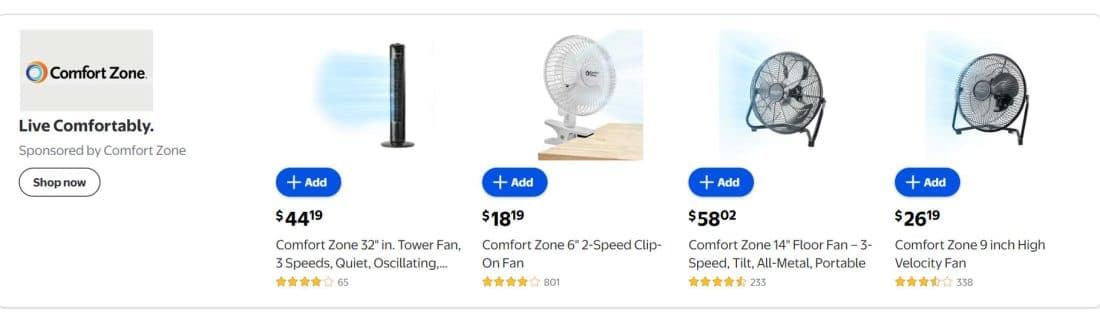
Walmart Brand Shop and Shelf features allow sellers to create branded storefronts that keep shoppers browsing their catalog instead of competitor products. Most sellers set these up once but don't optimize them to drive traffic and increase conversions.
Brand Shops create owned real estate on Walmart that reduces reliance on individual listings competing with sponsored placements. Check your Brand Shop traffic in Walmart Connect dashboard - if it's under 10% of total traffic, you're missing cross-sell opportunities.
Marketplace sellers need owned brand real estate to combat increasing ad costs and competitor visibility on individual product pages.
Set up Walmart Brand Shop shelves for best sellers, bundles, and seasonal collections to guide product discovery beyond single listings.
Drive traffic to Brand Shop through Walmart Connect ads and cross-linking from high-traffic product pages in next 30 days.
Bottom Line
Walmart Brand Shops reduce competitor exposure and boost cross-sells.
Source Lens
Industry Context
Useful background context, but lower-priority than direct platform, community, or operator intelligence.
Impact Level
medium
Walmart Brand Shops reduce competitor exposure and boost cross-sells.
Key Stat / Trigger
No single quantitative trigger surfaced in this report.
Focus on the operational implication, not just the headline.
Full Coverage
Most Walmart sellers know the Walmart Brand Shop and Shelf features exist, but many set them up once and never really think about them again. The problem is what happens after someone clicks your listing. You spend time and money driving traffic to your product page. Ads, optimization, all of it just to get that click.
But once shoppers land there, Walmart immediately shows them competing products. That is why experienced sellers think beyond the listing itself. Instead of letting shoppers wander around the marketplace, they try to pull them deeper into their own catalog.
A well-built Walmart Brand Shop, combined with the right shelf structure, keeps shoppers exploring your products instead of drifting toward competitors. In this article, we will break down how Walmart Brand Shop and Shelf work, look at a few real examples, and explain how sellers use them to turn more clicks into actual revenue.
Quick Guide: What Is a Walmart Brand Shop and Shelf, and Why Is It More Than Just a Pretty Page?
How to Register and Get Verified Through the Walmart Brand Portal How to Drive Real Traffic to Your Walmart Brand Shop and Shelf The Biggest Mistakes Sellers Make With Their Walmart Brand Shop and Shelf Final Thoughts What Is a Walmart Brand Shop and Shelf, and Why Is It More Than Just a Pretty Page?
A Walmart Brand Shop is a branded storefront on Walmart Marketplace where sellers showcase their product catalog in a dedicated space. Instead of relying only on individual product listings, brands can present multiple products together in a single, organized environment. A Walmart Shelf, on the other hand, is a product collection within the Brand Shop.
Shelves group products into curated sections such as best sellers, seasonal collections, bundles, or product categories. These sections help guide how shoppers browse the catalog. At first glance, a Walmart Brand Shop can look pretty simple. A banner, a logo, and a grid of products. Because of that, many sellers assume it is mostly about presentation.
But that is not really its main purpose. The real value comes from how Brand Shops and shelves shape product discovery. Most marketplace shoppers do not arrive with a detailed plan. They search for one product, click a listing, and then start browsing. A structured Brand Shop changes that behavior.
Instead of encountering a random grid of products, shoppers can move through clearly organized shelves that make browsing easier. For example, shelves can highlight best sellers, seasonal items, bundles, or specific product categories.
When these sections are structured intentionally, they guide shoppers toward the products a brand wants them to discover first, often the items that perform best or drive higher margins. In that sense, a Walmart Brand Shop and shelf are not just visual storefronts. It works as a discovery system that helps shoppers explore more of a brand’s catalog.
Someone who arrives looking for one product might end up discovering several others within the same storefront. And on a marketplace full of competing listings, that ability to guide discovery becomes a significant advantage.
The Difference Between a Product Listing and Owning Brand Real Estate Most Walmart marketplace sellers start by optimizing individual product listings. They improve keywords, upgrade images, and adjust pricing to stay competitive.
But a listing still sits inside Walmart’s marketplace environment, where competing products and sponsored placements appear alongside it. A Walmart Brand Shop works differently. Instead of relying on one listing surrounded by alternatives, it creates a branded storefront where multiple products from the same catalog live together.
Within that storefront, shelves organize products into curated sections like best sellers, bundles, or categories. This structure encourages shoppers to explore more items from the same brand instead of drifting toward competing listings.
Why Shoppers Who Land on a Brand Shop Convert Differently Than Search Browsers Shoppers who arrive through Walmart search behave differently from those who land on a Brand Shop. Search traffic usually compares multiple brands, while Brand Shop visitors explore products within a single brand environment. This subtle shift matters more than it seems.
When people are presented with too many choices, they tend to slow down and overthink the decision. Psychologists often call this decision fatigue. The more options shoppers compare, the harder it becomes to pick one. Brand Shops reduce that friction. Inside a storefront, shoppers are no longer asking, “Which brand should I trust?”
That question is already settled. Now the decision becomes simpler: Which product from this brand fits my needs best? That smaller decision is easier to make. As a result, shoppers often move faster. Instead of bouncing between competing listings, they browse shelves, explore collections, and compare products within the same catalog.
The experience feels less like a competitio
Original Source
This briefing is based on reporting from SellerApp Blog. Use the original post for full primary-source context.
Style
Audience