

Shipper groups ask STB to make key UP-NS merger agreement documents public
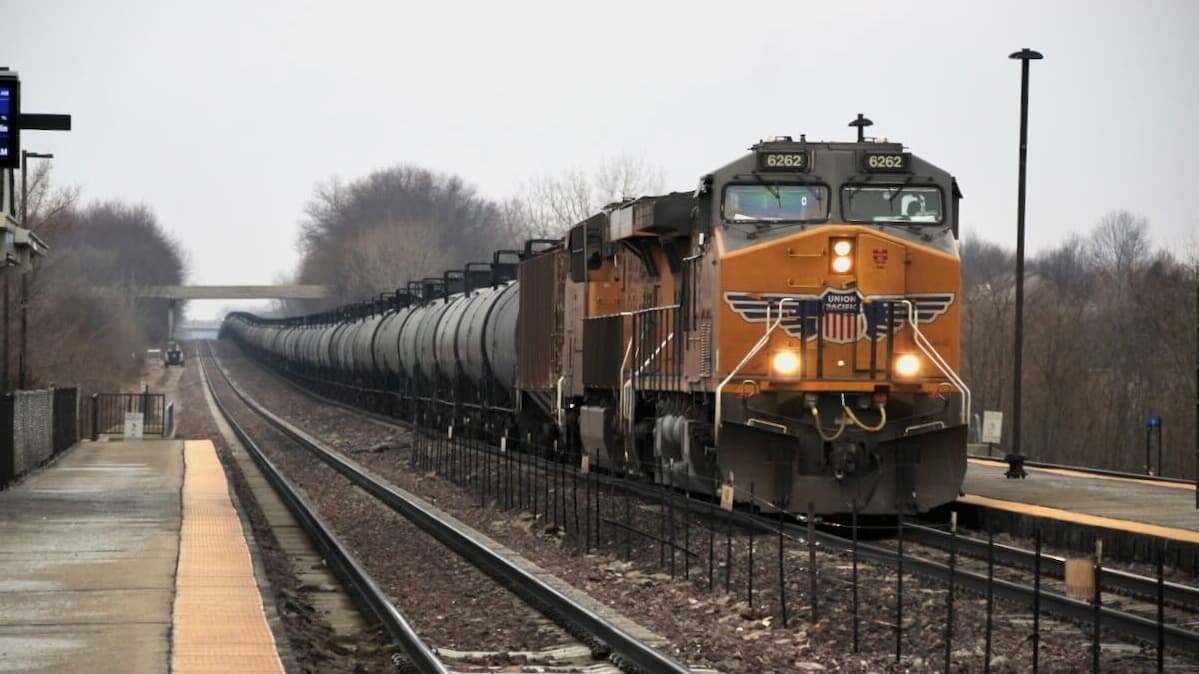
Shipper groups are demanding federal regulators make public confidential terms of the Union Pacific-Norfolk Southern railroad merger that outline when UP could walk away from the deal. The document, Schedule 5.8, was marked highly confidential despite containing no trade secrets or proprietary data according to chemical and fuel industry groups.
This merger could create a transcontinental rail monopoly affecting shipping costs for consumer goods moving from West Coast ports to Eastern markets. If the merger proceeds without transparency on exit conditions, sellers could face unpredictable rail shipping rate increases with limited recourse.
This fits the broader logistics consolidation trend where fewer carriers control more routes, potentially leading to higher shipping costs that squeeze seller margins on heavy products.
Monitor your current rail-dependent shipping routes in your logistics dashboard - if you ship heavy/bulk items cross-country, diversify to trucking options now.
Review Q1 2026 shipping cost trends in your expense reports to establish baseline costs before potential rail consolidation impacts hit.
Bottom Line
Rail merger secrecy could mean higher cross-country shipping costs for sellers.
Source Lens
Industry Context
Useful background context, but lower-priority than direct platform, community, or operator intelligence.
Impact Level
medium
Rail merger secrecy could mean higher cross-country shipping costs for sellers.
Key Stat / Trigger
$2.5 billion termination fee UP would pay NS if regulators impose certain conditions
Focus on the operational implication, not just the headline.
Full Coverage
Four shipper groups have asked federal regulators to make public a key section of the Union Pacific-Norfolk Southern merger agreement, arguing that the railroads improperly shielded material that outlines when UP could walk away from the deal. The section, known as Schedule 5. 8, was omitted from the railroads’ Dec. 19 merger application.
The Surface Transportation Board later ordered it to be filed. The document outlines the regulatory conditions that could trigger Union Pacific’s right to abandon the transaction. When UP (NYSE: UNP) and NS (NYSE: NSC) submitted Schedule 5.
8, they labeled it “highly confidential,” restricting access to outside attorneys and consultants under the board’s protective order. Regulatory filings that contain sensitive commercial information are typically shielded from public view or redacted under board-approved protective orders. window. googletag = window. googletag || {cmd: []}; googletag. cmd.
push(function() {googletag. defineSlot('/21776187881/FW-Responsive-Main_Content-Slot1', [[300, 100], [320, 50], [728, 90], [468, 60]], 'div-gpt-ad-1709668545404-0'). defineSizeMapping(gptSizeMaps. banner1). addService(googletag. pubads()); googletag. pubads(). enableSingleRequest(); googletag. pubads(). collapseEmptyDivs(); googletag.
enableServices(); }); googletag. cmd. push(function() {googletag. display('div-gpt-ad-1709668545404-0'); }); “Schedule 5. 8 does not qualify as Confidential Information under the Protective Order,” the shipper groups said.
“It contains no traffic data, no shipper identities, no rates, no cost data, no trade secrets, and no other protected confidential or proprietary information. Yet Applicants slapped a Highly Confidential designation on it anyway, concealing their own candid assessment of the conditions that the Board may need to impose to ameliorate the merger’s harms.”
The groups include the Alliance for Chemical Distribution, the American Chemistry Council, the American Fuel & Petrochemical Manufacturers, and The Fertilizer Institute, whose members’ supply chains are highly dependent on rail.
The section of the merger agreement is important because, among other things, it includes what regulatory conditions that UP will not accept should the STB approve the transcontinental merger. “The Highly Confidential designation shuts out the very people who must decide whether and how to participate in this proceeding. Rail customers cannot see Schedule 5.
8. Shipper associations cannot see it. Elected officials cannot see it. The public cannot see it. Even parties with outside counsel cannot discuss it with their attorneys. Applicants’ designation deprives interested parties of Applicants’ own assessment of the conditions that might address the merger’s harms,” the shipper groups said.
Under the merger agreement, Union Pacific could terminate the deal by paying a $2. 5 billion fee to NS if regulators impose certain conditions identified in Schedule 5. 8. The STB rejected the railroads’ initial application in January, partly because Schedule 5. 8 was not included.
Subscribe to FreightWaves’ Rail e-newsletter and get the latest insights on rail freight right in your inbox. window. googletag = window. googletag || {cmd: []}; googletag. cmd. push(function() {googletag. defineSlot('/21776187881/fw-responsive-main_content-slot3', [[728, 90], [468, 60], [320, 50], [300, 100]], 'div-gpt-ad-1665767553440-0').
defineSizeMapping(gptSizeMaps. banner1). addService(googletag. pubads()); googletag. pubads(). enableSingleRequest(); googletag. pubads(). collapseEmptyDivs(); googletag. enableServices(); }); googletag. cmd. push(function() {googletag. display('div-gpt-ad-1665767553440-0'); }); Read more articles by Stuart Chirls here.
Original Source
This briefing is based on reporting from Freightwaves. Use the original post for full primary-source context.
Style
Audience