

Port Houston’s hurricane playbook: Safety first, cargo moving fast
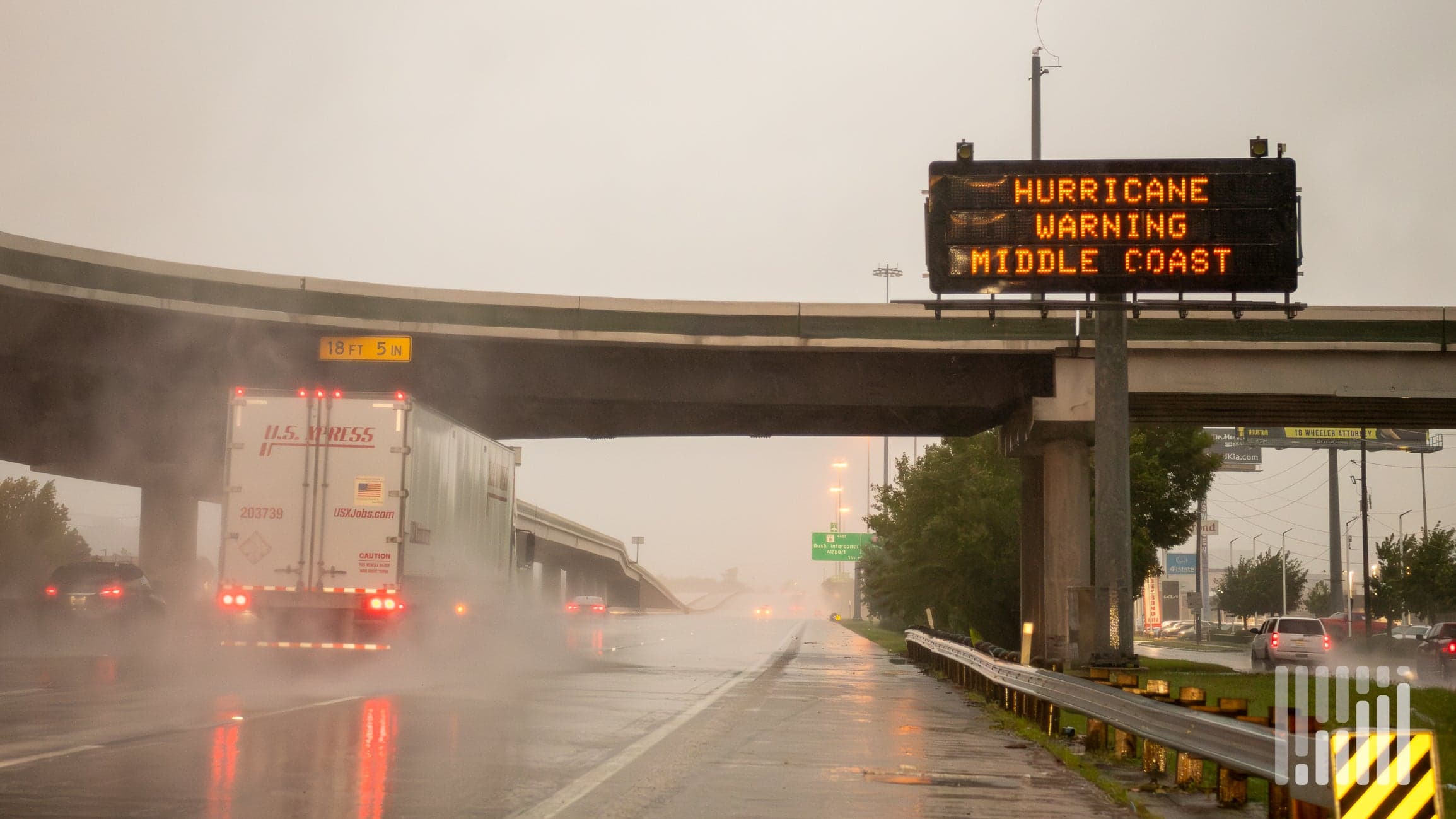
Port Houston officials say continuous training and early preparation allow the port to restore operations after hurricanes. The post Port Houston’s hurricane playbook: Safety first, cargo moving fast appeared first on FreightWaves.
Source Lens
Industry Context
Useful background context, but lower-priority than direct platform, community, or operator intelligence.
Impact Level
medium
Use this briefing to decide whether your team needs an immediate workflow, policy, or reporting change.
Key Stat / Trigger
No single quantitative trigger surfaced in this report.
Focus on the operational implication, not just the headline.
Full Coverage
Port Houston officials say hurricane preparedness is a year-round effort focused on protecting workers, securing critical infrastructure and restoring cargo operations as quickly as possible when storms threaten the Texas Gulf Coast. “We’re preparing all year,” Eric Casey, chief operating officer at Port Houston told FreightWaves.
“We do a full hot wash and after-action report after every season and every event, whether it’s Harvey, the derecho or another storm. We determine what worked, what didn’t, and immediately incorporate those lessons into our program.” The hurricane season starts June 1 and ends November 30.
The peak threat for the Texas coast exists from August through September, according to the National Weather Service. Port Houston serves as the public port authority for the Houston Ship Channel, home to more than 200 private and eight public terminals. The channel is the nation’s busiest waterway by tonnage and supports an estimated 1.
5 million jobs in Texas and 3. 37 million jobs nationwide. As the 2026 Atlantic hurricane season gets underway, the port is refining emergency response plans built from lessons learned during major weather events, including Hurricane Harvey in 2017 and more recent severe storms that impacted the Houston region.
Preparing for storms long before landfall Casey said Port Houston begins monitoring tropical systems long before formal hurricane warnings are issued. “We start way back in the very beginning,” Casey said.
“As storms come across the Atlantic and into the Gulf, we’re already coordinating with the Coast Guard, Houston Pilots and industry partners on preparedness measures.” Preparations often begin five or more days before a potential landfall.
Port officials review equipment staging plans, coordinate vessel departures and begin securing cargo yards and terminal assets. Hurricane Harvey created one of the largest trucking capacity crunches in recent history in August 2017 along the Texas Gulf Coast.
(Photo: Jim Allen/FreightWaves) How Port Houston secures cranes, cargo and terminals At 72 hours before expected impacts, known as Port Condition Whiskey, preparations accelerate. Empty container stacks are reduced and reconfigured to minimize wind risk, while crews begin securing equipment.
As conditions worsen, operations move through Port Conditions X-Ray, Yankee and Zulu, with cranes secured once sustained winds approach 45 mph. The decision to close the Houston Ship Channel is coordinated among the U. S. Coast Guard, National Weather Service, Houston Pilots and other stakeholders.
When the channel closes, Port Houston works alongside those partners to prepare for reopening as soon as conditions safely allow. Communication is critical during a crisis Communication is a major component of the port’s hurricane response strategy.
Port Houston uses website updates, text alerts, emails, conference calls and virtual meetings to keep ocean carriers, trucking companies, railroads, terminal operators and other customers informed about operational changes before and after storms. “Clear, concise, correct communications really matter, especially in times of crisis,” Casey said.
“No one does this alone.” Once a storm passes, recovery efforts begin with safety assessments, followed by inspections of roads, terminals, cranes and cargo-handling equipment. Port officials then coordinate with channel partners to resume vessel movements and cargo operations.
Casey said Port Houston’s ability to return to service quickly reflects years of planning and coordination. “The port is going to be a relief valve for getting goods into the Houston area that are going to be needed as part of the recovery effort,” Casey said.
“The sooner we can get back up and establish normalcy, the sooner people are going to have access to critical goods to help them repair, recover and do what they need to do.”
Related: Extreme hurricane season could trigger ‘carrier revenge’ A year-round focus on preparedness Port Houston conducts multiple emergency exercises throughout the year, including tabletop drills, communication tests and coordinated exercises with local, state and federal agencies.
The preparations come even as forecasters at the National Oceanic and Atmospheric Administration predict a below-normal 2026 Atlantic hurricane season, forecasting eight to 14 named storms, including three to six hurricanes and one to three major hurricanes.
NOAA officials have cautioned that it only takes one storm making landfall to cause major disruptions. For supply chains, the stakes remain high. Hurricanes have historically disrupted ports, highways, rail networks and trucking capacity across the Gulf Coast.
FreightWaves previously noted that Hurricane Harvey created one of the largest trucking capacity crunches in recent history and that major storms can trigger widespread transportation disruptions and delays. While no two storms are alike, Casey said Port Houston’s approach remains consistent. “We have been pr
Original Source
This briefing is based on reporting from Freightwaves. Use the original post for full primary-source context.
Style
Audience