

4 ways tariffs and geopolitics are impacting commodity markets
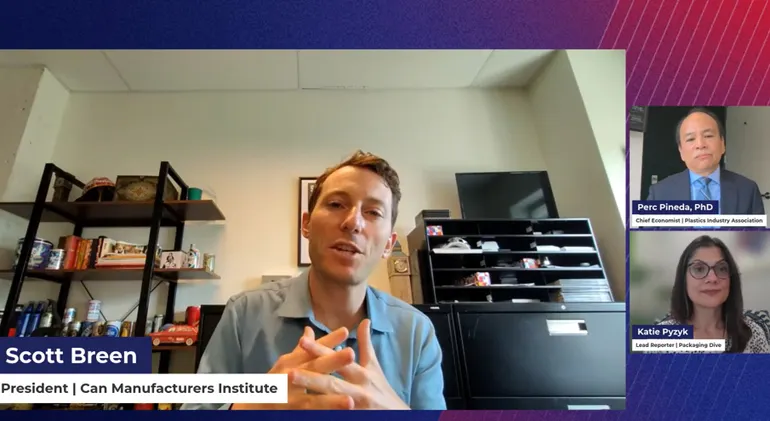
Metals and plastics experts also offered their perspective on the future of the United States-Mexico-Canada trade agreement during the Supply Chain Outlook event.
Source Lens
Industry Context
Useful background context, but lower-priority than direct platform, community, or operator intelligence.
Impact Level
medium
Use this briefing to decide whether your team needs an immediate workflow, policy, or reporting change.
Key Stat / Trigger
No single quantitative trigger surfaced in this report.
Focus on the operational implication, not just the headline.
Full Coverage
An article from 4 ways tariffs and geopolitics are impacting commodity markets Metals and plastics experts also offered their perspective on the future of the United States-Mexico-Canada trade agreement during the Supply Chain Outlook event.
Published July 16, 2026 Megan Quinn Senior Reporter Share Copy link Email / Print License Add us on Google Scott Breen, president of the Can Manufacturers Institute, and Perc Pineda, chief economist at the Plastics Industry Association, discussed commodity markets with Packaging Dive Lead Reporter Katie Pyzyk during the Supply Chain Outlook event on July 15, 2026.
Screenshot: Packaging Dive First published on Listen to the article 7 min This audio is auto-generated. Please let us know if you have feedback. Editor’s note: This story is part of a series highlighting takeaways from the Supply Chain Outlook event hosted by Packaging Dive, Supply Chain Dive, Manufacturing Dive and Trucking Dive.
Register here to watch a replay of the event. Markets for virgin and recycled plastic and metal commodities are reflecting the effects from ongoing tariff pressures and the Iran conflict. T he U. S. -Mexico-Canada trade agreement is up in the air, adding to uncertainty, but a renegotiation could create opportunities for stronger trade relationships.
Experts from the plastics and metals industries offered their views on these major global influences during a commodity market session at the “ Supply Chain Outlook: Trends and Risks to Watch in 2026 ” virtual event on Wednesday. Here are some key takeaways from the event.
Canmakers face pressure from Section 232 tariffs a year later Section 232 aluminum and steel tariffs, which have been in place since 2018, increased from 25% to 50% in 2025. That has caused “unavoidable cost increases” for U. S. can manufacturers since then, said Scott Breen, president of the Can Manufacturers Institute.
Though aluminum beverage cans are mainly made of recycled content, they still need some primary aluminum, which is mostly imported from Canada. With higher tariffs, some Canadian producers are shifting their sales to other markets like Europe, Breen said. Because of that, U. S.
producers of semi-fabricated products like can sheet had to source more aluminum from elsewhere, including states in the Persian Gulf region. In 2025, countries in that Gulf region made up about 21% of primary aluminum imports, and 13% being semi-fabricated imports.
“That’s up significantly from 2024, basically at or near record levels,” he said, citing data from the Aluminum Association. Tariffs are affecting steel prices for food cans as well, he said. The U. S. imports about 80% of tinplate steel used to make food cans, meaning that material faces significant tariff exposures. U. S.
steel producers aren’t investing much in tinplate production — despite the 50% tariff — because only about 1% of total steel output goes into steel packaging, and tinplate is “a niche product,” Breen said. That means these higher input costs are being passed down, first to food and beverage producers and then to consumers, he said.
Between June 2025 and today, beverage prices are up between 2% and 3%, he said, while canned fruits and vegetables are up about 5%, according to Consumer Price Index data. Canned food prices are rising more than frozen and fresh food prices, an indication that Section 232 tariffs are making a specific impact on the industry, Breen said.
CMI is working to promote a range of trade relief actions, including advocating for lowering tariffs on tin-plated steel and primary aluminum and proposing equivalent tariffs on imported filled food cans that currently aren’t facing the same cost pressures, he said.
Plastics hang in limbo due to tariff uncertainty Plastics are also facing some tariff pressures, but so far they’re not as acute as what some in the metals industry have been feeling, said Perc Pineda, chief economist at the Plastics Industry Association. “There have been upward price pressures to some extent.
But they have been uneven across the board” rather than major plastics price spikes, Pineda said. Long-standing Section 301 tariffs on China continue to influence some imports, he said. For example, imports of plastic packaging from China, such as polyethylene sacks and bags, were down about 7.
2% between January and May compared to the same period last year. Meanwhile, plastic equipment manufacturers have temporary relief from Section 232 tariffs until December 2027, meaning companies considering equipment investments are facing planning uncertainties, he said. Another factor driving uncertainty is a proposal to add 10% to 12.
5% tariffs on imports from about 60 countries that do not have forced labor prohibitions when they import products, Pineda said. “There’s still this lack of clarity of how the U. S. trade and tariff policy is actually going to evolve in the coming months,” he said. Conflict with Iran has disrupted global supply and prices for p
Original Source
This briefing is based on reporting from Supply Chain Dive. Use the original post for full primary-source context.
Style
Audience