

Port of Los Angeles sees new June box mark
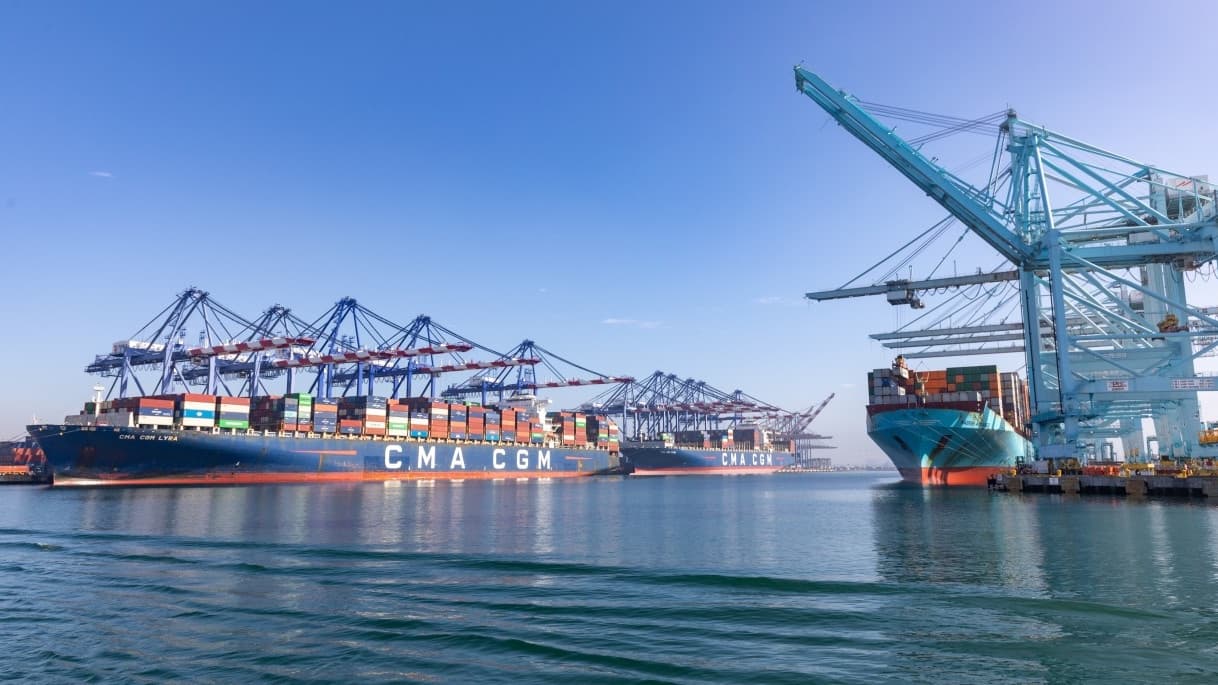
The Port of Los Angeles topped 1 million TEUs for only the third month in its 118-year history. The post Port of Los Angeles sees new June box mark appeared first on FreightWaves.
Source Lens
Industry Context
Useful background context, but lower-priority than direct platform, community, or operator intelligence.
Impact Level
medium
Use this briefing to decide whether your team needs an immediate workflow, policy, or reporting change.
Key Stat / Trigger
No single quantitative trigger surfaced in this report.
Focus on the operational implication, not just the headline.
Full Coverage
June marked a historic milestone for the Port of Los Angeles, as the top U. S. container gateway processed more than 1 million container units, making it the best June in the port’s 118-year history.
It also represented the third best month ever recorded and the third time the port has crossed the million-TEU threshold – a mark no other port in the Western Hemisphere has achieved even once.
Imports drove these remarkable numbers as volume totaled 530,000 twenty foot equivalent units in June, an increase of approximately 13% compared with a year ago and 18% above the five-year average, said Executive Director Gene Seroka, in a media briefing. This represented the third highest import month on record.
Behind the statistics lies a significant shift in business behavior. “Importers aren’t simply moving more cargo – they’re moving it differently,” Seroka said. “Many companies have stepped away from traditional seasonal shipping patterns, advancing cargo whenever they see an opening rather than waiting for perfect conditions.
Retailers are making strategic decisions about when and how much to ship, balancing back-to-school and holiday demand against tariffs, rising fuel costs, and global uncertainty.”
Exports remained essentially flat at 126,000 TEUs compared with the previous June, reflecting ongoing headwinds for American agricultural and business interests competing in overseas markets. Empty containers totaled approximately 345,000 units, up 17% year over year, as that equipment heads back across the Pacific to support continued import demand.
At the halfway mark of 2026, the port has moved 5. 1 million TEUs, about 3% ahead of 2024’s pace and 4% above the five-year average. The fiscal year closed with 10. 4 million TEUs, placing it among the best fiscal years in port history.
Impending tariff rolloffs and policy shifts On July 24, the Section 122 temporary tariffs announced in February will expire, ushering in a new tariff regime with significant implications for importers. The outgoing tariffs will be replaced by Section 301 tariffs in two tranches, said Seroka. The first tranche will impose a flat tariff of 10% to 12.
5%, ostensibly targeting countries not complying with forced labor provisions in trade agreements. This represents a continuation of the existing tariff structure without dramatic changes. Importantly, the same date brings the elimination of de minimis provisions in the U. S. tariff code.
Small packages will now go through a special tariff process, creating new compliance requirements for importers who previously relied on easy shipment of lower-valued items by mail.
“This change particularly affects small retailers and family-owned businesses that have relied on platforms like JD, Shein, and Alibaba, as well as consolidators bringing in smaller parcels,” Seroka said.
“Beyond paying the import surcharge, these businesses face bureaucratic compliance burdens in shipping forms and documentation that will create friction until the new system is understood.” What’s been less discussed is the uncertainty in a second tranche of Section 301 tariffs targeting “excess capacity” and alleged dumping of foreign goods.
Unlike the flat forced-labor tariffs, these could replicate what was seen on “Liberation Day” in April 2025 – high rates with significant variance across countries, hitting certain trading partners hard while treating others more leniently.
This variability means potential large-scale reshuffling of supply chains depending on the final tariff rates announced, Seroka said. Additional questions remain about whether these tariffs represent initial bargaining positions or long-term policy, and whether rates will change month to month or remain fixed.
The administration has articulated multiple objectives for tariffs – reducing the trade deficit, raising federal revenue, and reshoring manufacturing jobs – but these goals involve trade-offs that cannot all be achieved simultaneously. And, the tariff impacts extend beyond imports, said Seroka, who just returned from a fact-finding trip to Germany.
“American exporters face challenges not only from retaliatory tariffs but from quiet deal-making that sidelines U. S. producers.
Trade agreements on soybeans with Brazil and Argentina, on almonds with Australia, and partnerships between Indonesia and the European Union represent collaborative arrangements that leave American farmers and manufacturers on the sidelines.” Steel tariffs, for example, illustrate the economic trade-offs. While U. S.
producers enjoy improved profitability and higher prices, downstream users like General Motors, Ford, Caterpillar, and John Deere face elevated costs that put them at a competitive disadvantage against foreign rivals who don’t pay those premiums in their home markets.
Global geopolitical headwinds The conflict in the Middle East and its impact on the Strait of Hormuz have created ripple effects across global supply chains, most immediately felt through fuel prices. In Sout
Original Source
This briefing is based on reporting from Freightwaves. Use the original post for full primary-source context.
Style
Audience