How clinical research is being used as a growth engine
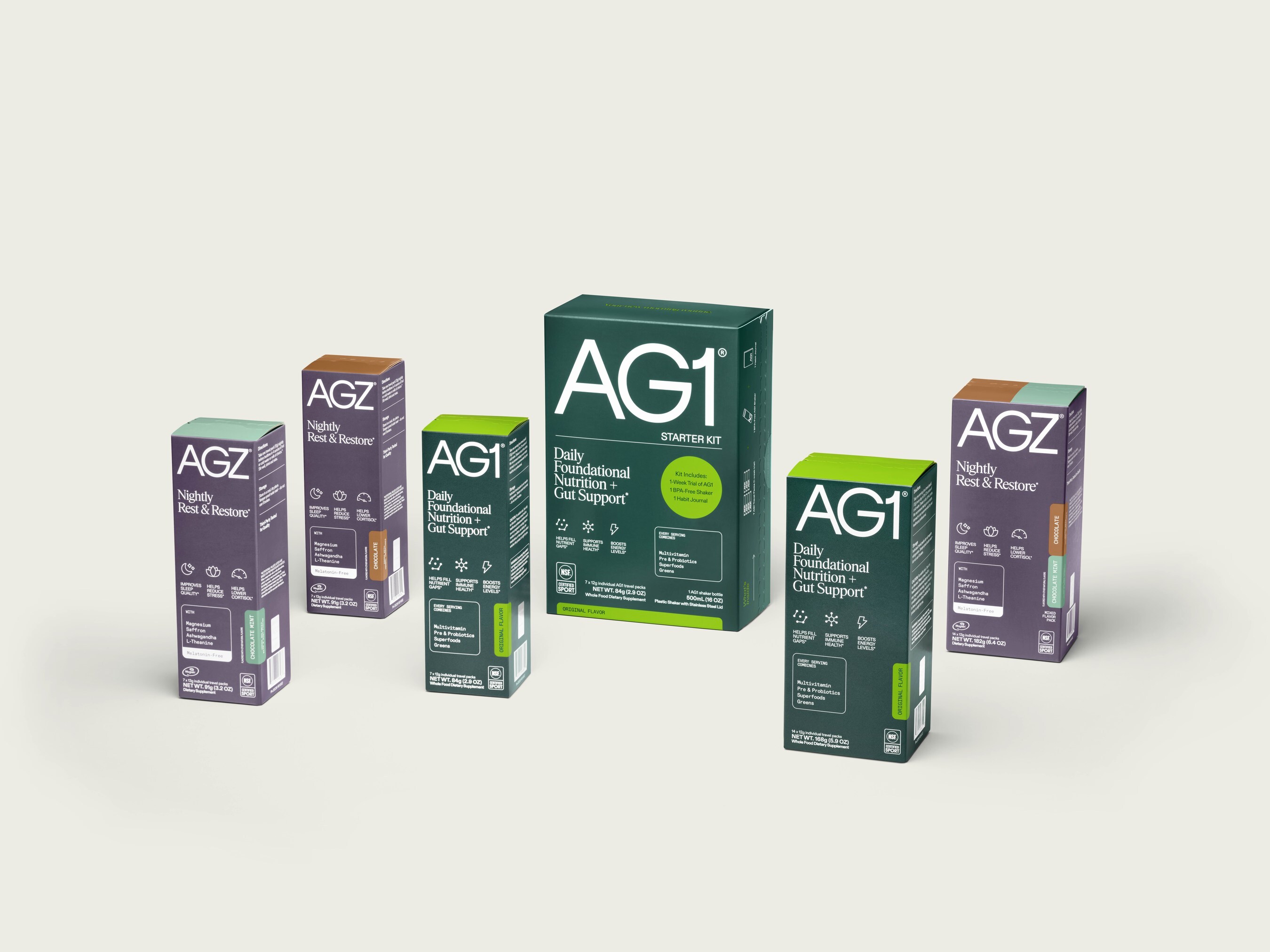
AG1, Ritual, and Blueland are investing millions in peer-reviewed clinical trials as a brand differentiation and conversion strategy. AG1 committed $20M to three years of gut health research; 85% of consumers say scientific claims influence purchase decisions.
Competitive dynamics in supplements and wellness are shifting toward science-backed differentiation, raising the barrier to entry and squeezing private label and white-label sellers who can't substantiate claims.
Brands running proprietary clinical studies can make stronger, legally defensible ad claims — which translates directly to higher ROAS on Amazon Sponsored Products and DSP. Supplement and wellness sellers without clinical backing are increasingly vulnerable to claim challenges and losing shelf space to brands with harder evidence.
Operational Impact
This story may require teams to revisit workflows, monitoring, or platform assumptions.
Bottom Line
Clinical research is the new moat for health and wellness brands on shelf.
Source Lens
Industry Context
Useful background context, but lower-priority than direct platform, community, or operator intelligence.
Impact Level
low
Clinical research is the new moat for health and wellness brands on shelf.
Key Stat / Trigger
85% of consumers swayed by scientific claims at point of purchase
Focus on the operational implication, not just the headline.
Full Coverage
CPG Playbook // September 7, 2026 How clinical research is being used as a growth engine By Melissa Daniels In an era when some brands will spend tens of millions on a splashy marketing moment, some brands are funneling just as much money toward scientific research.
When AG1 launched an upgraded formula of its nutritional supplement, called AG1 NextGen, last year, it did so after running four clinical trials to show how it closed nutrient gaps and supported gut health. Then, in September, the company committed $20 million to support three years of research and clinical trials in the gut health and nutrient gap space.
“Some people invest their brand marketing dollars in Super Bowl commercials. This is, in a way, a brand investment, and it does help conversion over time,” CEO Kat Cole said in an interview with Modern Retail. “It brings people into the consideration set, and it helps combat misinformation when there are debates around products or science or nutrition.”
AG1 is among a growing number of brands that fund their own scientific research to serve as a growth engine. The efforts at AG1 and companies like vitamin brand Ritual go beyond paying third-party labs to verify claims about efficacy and safety.
Instead, these companies look for gaps in existing research and fund studies published in peer-reviewed academic journals. The result is research that brands can use to fuel their own innovation and prove how their products are different. This can be a key differentiator for brands in front of a data-hungry public and wholesale buyers looking for smart bets.
One 2024 survey from Citruslabs showed that about 85% of consumers are swayed by scientific claims when deciding what to buy. Katerina Schneider, founder and CEO of Ritual, said clinical research has been a part of the brand’s growth strategy since its founding.
The company has devoted at least $5 million to clinical studies and has employed up to 20 full-time equivalent positions focused on research and science. Schneider said the company has prioritized double-blind, placebo-controlled studies about its products to prove that there are ways they are different compared to what’s already on shelf.
“Having a really differentiated claim, because you can make that from the clinical study, does result in higher-performing advertising and sales,” she said. Why more research can feed brand momentum One of the strongest business cases for clinical research at AG1 is how it uses its findings to inform its own product development.
Cole said the research it did around AG1 NextGen helped it formulate the AG1 Essentials Gummies that launched this summer. Using what it had already learned about nutrient gaps and gut health, the company then figured out how to address those same needs in a formula that could stand up to the gummy formulation process.
Cole also said the company’s research backbone helps it serve as “a thought partner” to customers looking to learn more about nutrition. This helps the brand stand out at a time when some brands may rely on claims from third-party labs they’ve hired.
She also said brands may compare their ingredient list to existing research to derive claims, rather than looking at the output of how the product is made. “We hold ourselves to a very high standard where we don’t make marketing claims without substantiation,” Cole said.
“What I would want the customer to understand, and what I tell my sisters and my mom and my friends, is to remember it is so easy for someone to type the words ‘quality’ and ‘third-party certified.’ Anyone can type it on their website and on their package.”
Currently, there’s no official Federal Trade Commission definition of what does or doesn’t qualify as “clinical” research. But there are guidelines to be followed, including having “a reasonable basis for their product claims before disseminating an ad.”
In general, any health benefits claims have to be substantiated with “competent and reliable scientific evidence,” which can include tests, analyses, research or studies that have been done by objective experts, based on FTC findings. Ritual’s Schneider said that it’s no longer enough for a brand to simply say a product has been clinically studied.
That’s partly why the brand has also begun lobbying for more supplement regulations, she said. “It is only good business if you can make a claim that is vastly different than your peer set when you’re running these studies,” she said.
When research helps brands make bold claims Ritual has completed at least five clinical studies, three of which have already been peer-reviewed and published. One study published in the Frontiers in Nutrition journal shows the difference between folate and folic acid in prenatal vitamins. Another shows how the brand’s patente
Audit your product listing claims against FTC substantiation guidelines — if your claims rely only on 'third-party certified' language without study citations, update copy before a competitor's clinical data makes yours look weak.
If you sell in health/wellness, budget for at least one IRB-approved study in the next 12 months — Ritual's $5M spend shows this is now a competitive entry cost, not a luxury.
Original Source
This briefing is based on reporting from Modern Retail. Use the original post for full primary-source context.
Style
Audience