FBI’s Memphis Cargo Theft Task Force warns cyber schemes put millions in freight at risk
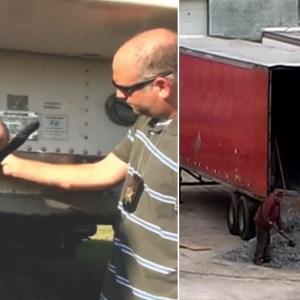
Criminals can know exactly what freight they want before arriving for pickup. The FBI’s Memphis Cargo Theft Task Force says cyber-enabled schemes are changing how thieves target shipments. The post FBI’s Memphis Cargo Theft Task Force warns cyber schemes put millions in freight at risk appeared first on FreightWaves.
Source Lens
Industry Context
Useful background context, but lower-priority than direct platform, community, or operator intelligence.
Impact Level
medium
Use this briefing to decide whether your team needs an immediate workflow, policy, or reporting change.
Key Stat / Trigger
No single quantitative trigger surfaced in this report.
Focus on the operational implication, not just the headline.
Full Coverage
The FBI’s Memphis Cargo Theft Task Force has investigated major freight crime for nearly two decades. Its earliest cases looked very different from today’s schemes. Agents once focused on warehouses, tractor-trailers, chop shops and organized theft rings. Now, technology can help criminals target millions in merchandise before reaching a dock.
The operation began as the Auto Cargo Theft Task Force. Around 2008, investigators narrowed its mission and dropped the auto designation. Memphis Police Department continued vehicle investigations through its own unit. The FBI-led team then became the Memphis Cargo Theft Task Force.
Today, FBI agents work alongside Memphis Police Department officers and Shelby County Sheriff’s Office deputies. The group also coordinates with other federal, state and local partners. Its mission centers on major theft affecting interstate commerce. Criminal methods, however, have changed significantly.
FBI Nashville Memphis Resident Agency’s Assistant Special Agent in Charge Jeremy Baker helps oversee that work. He has watched the threat change since his early involvement with the unit. Traditional cases often involved criminals taking whatever valuable goods they could reach. Modern schemes can begin before anyone approaches the shipment.
Cargo thieves know what they want Earlier investigations often involved crimes of opportunity, Baker told FreightWaves. Thieves might encounter televisions, shoes or another valuable commodity. Physical access often determined what criminals took. Technology has changed that model. Computer intrusions can expose shipment information before pickup.
Social engineering offers another path toward sensitive details. Criminals can use that intelligence to identify specific high-value freight. Baker sees those methods in current threats facing investigators. “They know exactly what they’re picking up,” Baker told FreightWaves. That preparation can make a fraudulent pickup appear legitimate.
Employees may believe the correct carrier has arrived. The physical handoff can become the final step. “Through cyber-enabled means, the theft has been done even before that truck arrives,” Baker explained. “All they have to do is have the truck arrive.” He added, “They’ve already duped everybody.”
Criminals can then “drive away with millions and millions of dollars worth of merchandise.” Baker could not discuss ongoing FBI investigations. However, he confirmed current matters involving extremely high-value goods and cyber-enabled methods. Those cases can combine digital deception with physical cargo theft.
Investigators now confront both parts of the scheme. Baker also has a cybersecurity background. He compared cargo threats with attacks against organizations that have weak digital defenses. Criminals often seek businesses where poor controls offer easier opportunities. Transportation companies can present those openings.
“Bad guys are savvy to this,” Baker explained. “They’re going to go to where they can get the quick wins.” Those vulnerabilities extend beyond locks, seals and physical security. “The industry’s cybersecurity is going to have to be taken up several notches.”
Where the process can break down Baker also described vulnerabilities between brokers, carriers and shipping facilities. Each participant may believe another party completed the necessary checks. Criminals can exploit those assumptions through impersonation or compromised information. That creates an opening inside an otherwise normal transaction.
“The broker is kind of onto the next deal,” Baker explained. “They’ve done their part and they think they’ve made a good deal with a legitimate company.” Meanwhile, the shipping facility expects an authorized truck. That separation creates risk. “The company who is releasing the goods thinks the legitimate company has shown up,” Baker added.
“But they’re just disguised as that carrier.” Employees can then release valuable merchandise to the wrong driver. By that point, the fraud has become a cargo theft. Baker repeatedly returned to verification when discussing prevention. Companies can add checks before employees complete sensitive transactions.
Other industries already use similar controls for significant financial activity. Transportation businesses can apply those same principles. “The bottom line behind it is, of course, there’s a ton of data,” Baker explained. “But it’s really verify, verify, verify.” Training can also help employees recognize threats.
Repeated exercises show whether those lessons work. Baker pointed to phishing campaigns as an example. Some organizations initially see 60% of employees click suspicious test messages. Continued education can eventually reduce that figure to 2%. He views those results as evidence that awareness can change behavior.
“A lot of what we’re talking about is changing the culture of some of these organizations,” Baker noted. He also identified the National Motor Freight Traffic Association as a cybersecurity
Original Source
This briefing is based on reporting from Freightwaves. Use the original post for full primary-source context.
Style
Audience