Best products to sell on Shopify in 2026 (What’s Actually Making Money Right Now)
The best products to sell on Shopify are not the ones trending on TikTok right now. If you are reading this and something is not working, maybe the sales or the margins or maybe you are just starting out and trying to avoid picking the wrong product from the beginning. Most sellers choose products by… The post Best products to sell on Shopify in 2026 (What’s Actually Making Money Right Now) appeared first on SellerApp Blog.
Source Lens
Industry Context
Useful background context, but lower-priority than direct platform, community, or operator intelligence.
Impact Level
medium
Use this briefing to decide whether your team needs an immediate workflow, policy, or reporting change.
Key Stat / Trigger
No single quantitative trigger surfaced in this report.
Focus on the operational implication, not just the headline.
Full Coverage
The best products to sell on Shopify are not the ones trending on TikTok right now. If you are reading this and something is not working, maybe the sales or the margins or maybe you are just starting out and trying to avoid picking the wrong product from the beginning. Most sellers choose products by asking what is popular.
But the Shopify stores that actually build something sustainable ask questions like Is this demand real and consistent, or is it a six-week spike that’ll be dead before my inventory arrives? After I pay for shipping, ads, Shopify fees, and the occasional return, what am I actually keeping in my bank account, not just on paper?
Is there anything I can say about this product that the 400 other people selling it can’t? And honestly, does this product even belong on Shopify, or is it the kind of thing people just go to Amazon for because they want the cheapest option and two-day shipping? That’s the cross-reference we used to build this guide.
Every category, every product on this list had to clear all four of those questions. If your store isn’t performing the way you expected, you’re in the right place. Let’s get into what’s actually worth selling and why. Quick Guide:What are the best products to sell on Shopify in different categories? 1. Skincare2. Makeup & Cosmetics3.
Health Supplements & Vitamins4. Apparel: T-Shirts, Activewear & Niche Clothing5. Motor Vehicle Parts & Car Accessories6. Phone Accessories & Tech Gadgets7. Home Décor & Lifestyle Products8. Jewelry9. Pet Products10. Eco-Friendly & Sustainable Products11. Candles & Home Fragrance12.
Digital ProductsWhat are the best products to sell on Shopify for beginnersHow to Find Best-Selling Products on ShopifyThree Shopify-Specific Advantages Every Seller Should Know Final ThoughtsFAQs What are the best products to sell on Shopify in different categories?
Did you know that the best-selling products to sell on Shopify and their categories are not just mere trends? With 5. 2M+ Shopify stores generating over $370B in sales, it’s clear that a few categories and the right products within them do most of the heavy lifting. We have listed the best products to sell on Shopify below. 1.
Skincare Skincare is the #1 category in terms of brand-building potential on Shopify, and it’s not particularly close. The reason is the repeat purchase rate. Someone who loves the cleanser you sell will come back every six to eight weeks without a single paid ad.
The global beauty and personal care market is projected to reach $677 billion by 2025, and skincare is its largest segment. More importantly for Shopify sellers, skincare is one of the few categories where a founder with no industry background can build a genuine brand from scratch and exit at a significant multiple.
True Botanicals, a clean skincare brand, built entirely through DTC storytelling and ingredient transparency, scaled to acquisition without ever entering traditional retail first. Glossier grew out of a beauty blog, built a community before a product, and reached nearly $250 million in annual revenue.
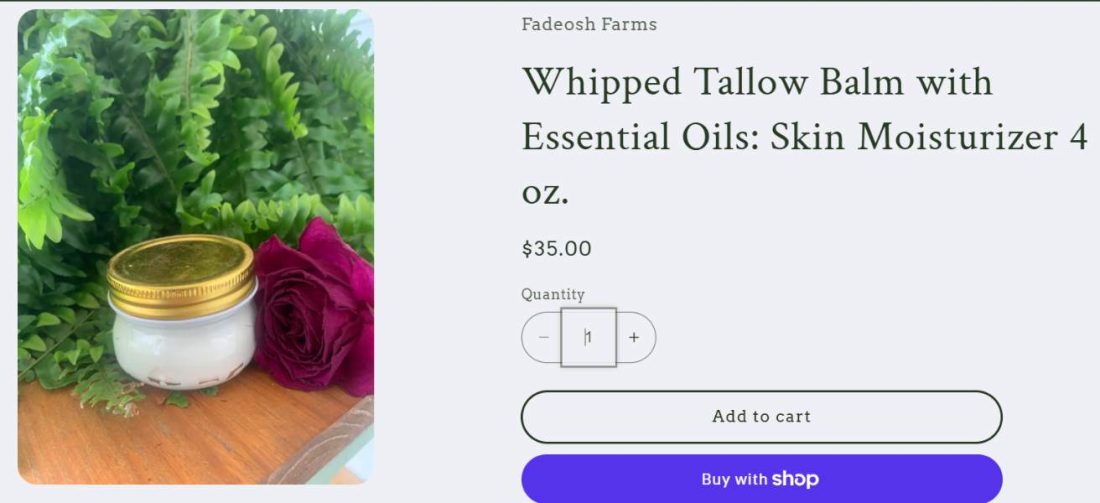
Let us see what’s working specifically in 2026: Tallow moisturizer Searches jumped 2,600% in late 2025 and early 2026, and the interest has been sustained, not collapsed the way pure TikTok trends do.
There’s a real ideological community behind it; there are tallow skeptics versus believers and conventional dermatologists versus ancestral health advocates, which means organic content and word-of-mouth are built in.
If you’re entering this space, you need a differentiated angle with a sourcing story, specific skin-concern targeting, or a formulation pairing (tallow plus a botanical). K-beauty and glass skin routines K-beauty and glass skin routines Snail mucin serums, centella asiatica, PDRN (polynucleotide) serums, and multi-step hydration systems. The U. S.
market has fully absorbed Korean-inspired skincare from beauty editors down to mainstream consumers. The opportunity in 2026 isn’t to sell “K-beauty” generically, that ship has sailed. It’s to curate a simplified entry point for people who want results without the 10-step routine. 2.
Makeup & Cosmetics Shopify ranks makeup as its own top-3 category, separate from skincare, and the distinction matters. The customer, the content strategy, and the repurchase cycle are all different. Makeup customers tend to be more trend-driven and variety-hungry than skincare customers. They buy multiple products. They respond to seasonal newness.
They’re heavily influenced by tutorials, UGC, and “what’s in my makeup bag” content. Rare Beauty generated over $400 million in revenue in a single 12-month period. Kylie Cosmetics crossed $200 million annually, starting with a single product, a lip kit. These are celebrity brands, but the underlying lesson applies to any Shopify seller.
The “lipstick effect,” where consumers trade down from big-ticket purchases but still spend on small, affordable luxuries like makeup, is well-documented and means this category
Original Source
This briefing is based on reporting from SellerApp Blog. Use the original post for full primary-source context.
Style
Audience