

How Olly is updating its product detail pages for the AI era
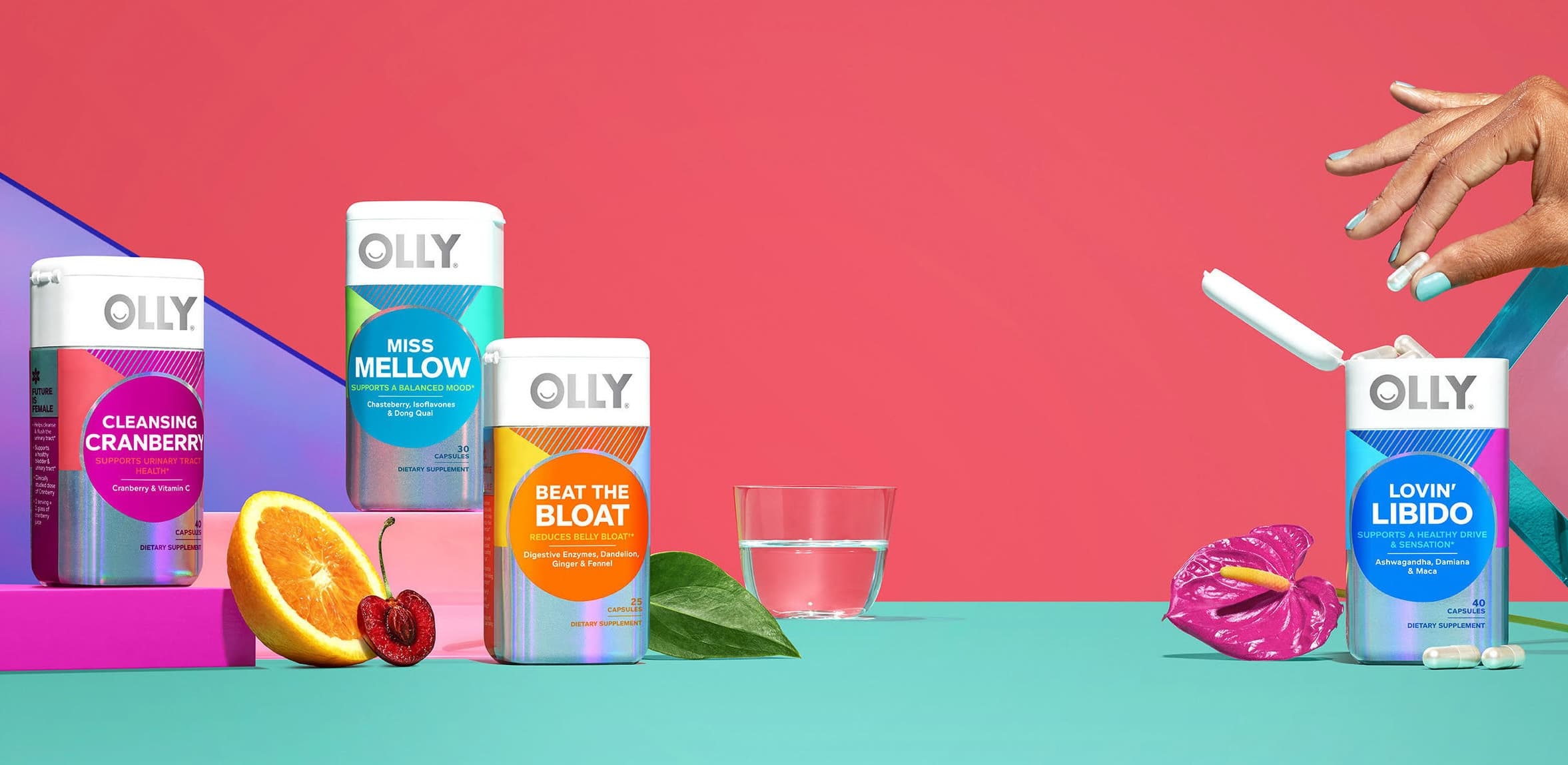
As more shoppers use AI chatbots for recommendations, supplement brand Olly is updating its product pages with clearer descriptions and FAQs to boost AI-driven sales.
Source Lens
Industry Context
Useful background context, but lower-priority than direct platform, community, or operator intelligence.
Impact Level
medium
Use this briefing to decide whether your team needs an immediate workflow, policy, or reporting change.
Key Stat / Trigger
No single quantitative trigger surfaced in this report.
Focus on the operational implication, not just the headline.
Full Coverage
AI Strategies // May 26, 2026 How Olly is updating its product detail pages for the AI era By Gabriela Barkho Olly These days, shoppers are increasingly asking ChatGPT for recommendations like “the best sleep supplement” and “best women’s multivitamin.” So instead of browsing a brand’s homepage, shoppers are landing directly on a product page.
And they may be deciding whether or not to purchase within minutes. As more research and product discovery happen through LLMs and AI platforms, brands like supplement maker Olly say they are experiencing a shift in their traffic patterns in real time.
According to Jennifer Peters, Olly’s director of DTC, marketing technology and digital compliance, shoppers are now coming to the brand’s website from a lower part of the marketing funnel. Due to the high intent of purchase, these shoppers are often ready to check out much quicker than other website visitors.
As such, she said, visitors are spending less time clicking around the Olly site, but are converting faster to the products. This shifting behavior is forcing brands to focus more on the actual product pages and less so on the home landing pages.
Olly is making changes to its website by beefing up its in-house educational blog posts and expanding each product page with a frequently asked questions section. Peter said the majority of Olly’s revenue comes from in-store sales at retailers like Walmart and Target.
“But our DTC site will always be a small but necessary piece of revenue when looking at the overall pie,” she said. But what has changed and is continuing to evolve, Peters said, is that suddenly a brand’s DTC website is the point of entry for discoverability as people are using LLMs to ask questions or find health solutions.
“People are now entering the mid-funnel instead of top-of-funnel, which is what we’ve been doing the last 15 years,” she said. Currently, the majority of Olly’s traffic is still coming from social media and digital ads. But Peters anticipates traffic from LLMs will increase with time. “We sell to millennial women, and we always have,” Peters said.
“So as millennial women adapt to this new way of search, we’ll see more of it.” Peters said that, to address this newfound customer journey, the brand has two buckets of content to bring up to date when it comes to LLM discoverability.
There is the internal content on the website, and content through third-party avenues like Reddit or social media influencers. “If a piece of information is inaccurate or out of date, that is going to hurt how your brand shows up,” Peters said. “One of the first things we did was rewrite our Wikipedia page,” Peters said.
“No one had touched it in about eight years, so it was outdated and old.” The new entries have yet to be published because Wikipedia must vet and verify the information when companies update their own pages.
To adapt to the new traffic source on its website, Peters said Olly used digital analytics company Contentsquare to identify friction — such as vague ingredient and solution descriptions — and optimize its pages for ChatGPT and Gemini. “We are most focused on what we own and what lives on our domain,” Peters said.
That led Olly to create an editorial calendar of education-focused articles and thought leadership pieces focused on the supplement space. This practice has helped other brands like Viv and Joe & Bella show up in AI search results due to their authoritative voice on specific topics.
Another major change Olly is beginning to implement this year is adding detailed FAQ sections to its product detail pages (PDPs ), to better explain the ingredients and their efficacy. “People are coming in saying, ‘I’m having a hard time sleeping. What should I do?’” Peters said.
The FAQ section fleshes out the ingredients and name checks supplements in the product, such as adaptogens, zinc or letter vitamins. Peters said this helps lead LLM users inquiring about sleep supplements straight to Olly’s Sleep gummies. “Just having that information living on that page somewhere in an ‘FAQ’ format is something that LLMs like,” Peters said.
In a separate effort, the company is also updating landing pages to be clearer to the casual visitor, especially during Olly’s big annual sales pegged to New Year’s and back-to-school.
This includes surfacing recommendations for high-performing products early on in the visitor’s browsing journey and developing a clearer “add to cart” call to action, she added. Olly also tweaked the language to clarify subscription options.
Peters said the company found that new customers wanted more clarity on the subscribe-and-save discount percentage they would receive. “Because if you’re coming to our DTC site to shop, you’re either a super fan of the brand or interested in subscribing and never having to worry about running out,” she said.
Those new checkout callouts on the product detail pages paid
Original Source
This briefing is based on reporting from Modern Retail. Use the original post for full primary-source context.
Style
Audience