CBP importer crackdown puts thousands of cross-border freight shipments at risk
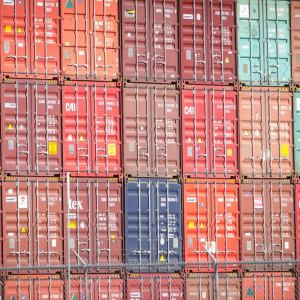
CBP began voiding importer-of-record (IOR) numbers with inaccurate or incomplete Form 5106 data as of September 19, 2026 — with no warning period before action is taken. E-commerce sellers using third-party fulfillment centers, DDP foreign sellers, and nonresident importers are highest-risk groups.
Regulatory tightening on import identity verification adds a new operational risk layer for cross-border supply chains, compounding existing margin pressure from tariffs — sellers with lean Q4 inventory buffers face the highest exposure.
Sellers relying on overseas suppliers or 3PLs acting as importer-of-record may have shipments stranded at the port before they know the IOR was voided — CBP only notifies via email on file. Audit your customs broker's IOR records now and confirm the contact email on Form 5106 is monitored and current.
Operational Impact
This story may require teams to revisit workflows, monitoring, or platform assumptions.
Bottom Line
CBP IOR voidings can strand your inbound freight with zero warning.
Source Lens
Industry Context
Useful background context, but lower-priority than direct platform, community, or operator intelligence.
Impact Level
high
CBP IOR voidings can strand your inbound freight with zero warning.
Key Stat / Trigger
Enforcement effective September 19, 2026 with no warning period before IOR voiding
Focus on the operational implication, not just the headline.
Full Coverage
U. S. Customs and Border Protection has begun voiding importer-of-record numbers containing inaccurate or incomplete information, an enforcement crackdown that could prevent affected companies from clearing U. S. -bound freight and leave cargo stranded at ports of entry.
The new enforcement regime took effect Friday and applies to existing as well as new importers. Once CBP voids an importer-of-record, or IOR, number, it cannot be used for any purpose, including making entry into the United States.
That could turn what might appear to be a customs paperwork problem into an immediate supply-chain disruption involving importers, customs brokers, freight forwarders, trucking companies and warehouses. CBP announced the enhanced enforcement in an Aug.
19 Federal Register notice as part of a broader effort to verify the identities of companies bringing goods into the country. window. googletag = window. googletag || {cmd: []}; googletag. cmd. push(function() {var gptSlot = googletag.
defineSlot('/21776187881/FW-Responsive-Main_Content-Slot1', [[300, 100], [320, 50], [728, 90], [468, 60]], 'div-gpt-ad-1709668545404-0'). defineSizeMapping(gptSizeMaps. banner1). addService(googletag. pubads()); googletag. pubads(). enableSingleRequest(); googletag. pubads(). collapseEmptyDivs(); googletag. enableServices(); setInterval(function() {if (!
document. hidden) {googletag. pubads(). refresh([gptSlot]); } }, 30000); }); googletag. cmd. push(function() {googletag. display('div-gpt-ad-1709668545404-0'); }); The agency said it is comprehensively reviewing information submitted on Form 5106, which is used to establish or update an importer identity with CBP.
If CBP determines that an importer, or a customs broker acting on its behalf, failed to provide complete and accurate information, the agency can void the IOR number and pursue additional enforcement action. The agency has not publicly disclosed how many importer numbers have been voided since the new enforcement took effect.
Those requirements could pose particular issues for some foreign companies importing goods into the United States. Potentially exposed arrangements include nonresident importers that have listed a U. S. customs broker’s address because they lack U. S.
premises, foreign sellers acting as importers of record in delivered-duty-paid transactions, e-commerce sellers using third-party fulfillment centers and smaller importers whose records were created years ago and have not been updated, according to an analysis by Diaz Trade Law.
The enforcement could have implications for cross-border freight moving from Mexico and Canada, where foreign companies may serve as nonresident importers of record for merchandise entering the U. S.
One of the biggest operational risks is that an importer may not discover that its number has been voided until a shipment is already moving through the supply chain. window. googletag = window. googletag || {cmd: []}; googletag. cmd. push(function() {var gptSlot = googletag.
defineSlot('/21776187881/fw-responsive-main_content-slot3', [[728, 90], [468, 60], [320, 50], [300, 100]], 'div-gpt-ad-1665767553440-0'). defineSizeMapping(gptSizeMaps. banner1). addService(googletag. pubads()); googletag. pubads(). enableSingleRequest(); googletag. pubads(). collapseEmptyDivs(); googletag. enableServices(); setInterval(function() {if (!
document. hidden) {googletag. pubads(). refresh([gptSlot]); } }, 30000); }); googletag. cmd. push(function() {googletag.
display('div-gpt-ad-1665767553440-0'); }); CBP will send written notification of the voiding to the email address most recently submitted by the importer and, when applicable, copy the customs broker that most recently filed an entry on its behalf.
CBP’s notice does not describe a process in which importers receive a warning or period to correct the information before their numbers are voided. Instead, an importer can seek to have the number reestablished after CBP takes action. Importers caught in that situation could face additional costs while freight waits for the issue to be resolved.
Diaz Trade Law warned that affected cargo could accrue port-related costs while companies work with CBP to reestablish their numbers. Importer enforcement grows on both sides of US-Mexico border The CBP crackdown comes as authorities on both sides of the U. S.
-Mexico border have increased scrutiny of companies participating in international trade, although the U. S. and Mexican enforcement initiatives are separate.
Mexican authorities earlier this year suspended import activities and began proceedings to cancel permits for 350 companies involved in steel imports after regulators alleged irregularities involving some importers. window. googletag = window. googletag || {cmd: []}; googletag. cmd. push(function() {var gptSlot = googletag.
defineSlot('/21776187881/fw-responsive-main_content-slot4', [[300, 100], [320, 50], [728, 90], [468, 60]], 'div-gpt-ad-1709668086344-0'). defineSizeMapping(gptSizeMaps. banner1). addService(googletag. pubads()); googletag. pubad
Contact your customs broker today and request confirmation that your IOR number is active and Form 5106 has a current, monitored email address — a voided IOR stops inbound shipments immediately with no grace period.
If your supplier or 3PL acts as importer-of-record on DDP shipments, verify their IOR status in writing within the next 7 days to avoid mid-transit freight holds disrupting Q4 inventory flow.
Original Source
This briefing is based on reporting from Freightwaves. Use the original post for full primary-source context.
Style
Audience