

Why Ranger Station chose Charleston over bigger markets for its third store
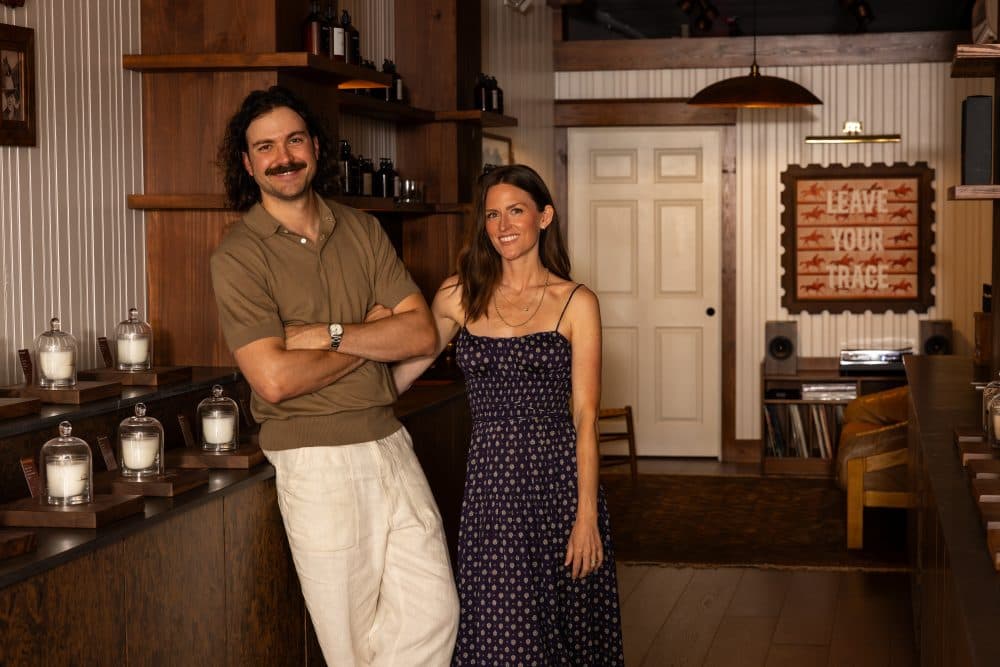
Ranger Station, known for unisex fragrances and candles, chose Charleston for its third store by combining customer data with on-the-ground experience.
Source Lens
Industry Context
Useful background context, but lower-priority than direct platform, community, or operator intelligence.
Impact Level
medium
Use this briefing to decide whether your team needs an immediate workflow, policy, or reporting change.
Key Stat / Trigger
No single quantitative trigger surfaced in this report.
Focus on the operational implication, not just the headline.
Full Coverage
Store of the Future // June 10, 2026 Why Ranger Station chose Charleston over bigger markets for its third store By Melissa Daniels Molly Rose Photo When the team at fragrance company Ranger Station began thinking about a third physical store, it didn’t take long to land on Charleston, South Carolina.
The 11-year-old company known for unisex fragrances and candles opened its third retail shop in Charleston in late May, following locations in its hometown of Nashville and on New York City’s Bleecker Street.
And while it wasn’t its biggest customer market, co-founders Steve and Jordan Solderholm said the coastal, growing Southern town had the right vibe for a Ranger Station presence. “Charleston has always been on our list,” Steve Solderholm said.
“It’s a really interesting city because you do have the laid-back beach town and Southern feeling, and it is wildly creative. It really is so similar to Nashville in a lot of ways.” Then, when the Solderholms had the chance to gut and renovate an 800-square-foot former vape shop on the downtown retail stretch of King Street, they jumped on the opportunity.
“We want to be in places where customers are already going to be walking around and discovering us because we’re still just a growing brand,” said Jordan Solderholm. “And so the opportunity to be on King Street was huge for us.” King Street is a historic mile-long hub in Charleston that’s a popular, walkable retail destination for tourists.
Some of Ranger Station’s neighbors include Urban Outfitters, Jenni Kane, Brandy Melville and Pottery Barn, plus independent and locally owned boutiques. So far, early indicators are strong. Opening-week sales in late May came within $100 of the brand’s New York City opening, despite being a smaller market.
But the opening also points to the way independent brands can bet on choice markets to grow their business. To date, owned stores account for about 20% of sales by Ranger Station, which also operates a DTC site and has a wholesale presence in roughly 300 other stores.
The company has been aiming for at least 42% year-over-year growth and is beating that midway through 2026. Part of why Ranger Station was drawn to Charleston is that the region itself is in a growth spurt. The region is among the fastest growing in the country, with about 70,000 new residents between 2020 and 2024, and retailers are taking note.
The city of Charleston, with around 161,000 residents, recently got its first-ever Homesense, an off-price decor brand from TJX, as well as a Serena & Lily design shop. Data that wholesale marketplace Faire shared with Modern Retail shows that orders from Charleston-based retailers are up 67% over the past four years, including 20% growth from 2024 to 2025.
Faire’s data also showed that the number of local independent retailers on the platform doubled from 2024 to 2025, while the average order size grew more than 13% last year.
“While nearby markets like Charlotte have more Faire retailers by door count, Charleston outpaces Charlotte in order volume, suggesting especially strong shopper demand and foot traffic among local stores,” a spokesperson said in an email to Modern Retail.
While Charleston currently ranks around 20th in Ranger Station’s customer volume, the founders still felt like it was a strong choice based on the local culture and opportunity to grow the brand’s customer base.
The Solderholms frequently visit and have gotten to know other business owners in the area, including through a month-long stay prior to the opening. “That really sets us up for success because we began to understand the shopping patterns on the street — where people are going to eat after work, what they’re doing on the weekends,” Jordan Solderholm said.
Before opening, Ranger Station crunched the numbers, looking at King Street foot traffic and its own top sellers and conversions at its other shops. From there, the founders remodeled the store to include wooden displays for hero products, seating areas and a sink to try out hand washes.
The store’s decor hints at the brand’s Nashville roots with nods to music and cowboy culture. To help drive traffic, Ranger Station is also collaborating with other retail partners, like showcasing Ranger Station products in the restrooms of boutiques down the street.
Activation plans include hosting local artists and cocktail hours, as well as running geo-targeted ads and a direct mail campaign offering visitors a free perfume draw. Outside the Charleston store, Ranger Station is focused on more musician partnerships after successful drops with the likes of Noah Kahan and Kelsea Ballerini.
Recent brand collaborations include Tecovas, Seager and Almond Surfboards. From a product perspective, the brand’s perfumes now outsell candles, and the brand has leaned into limited-editio
Original Source
This briefing is based on reporting from Modern Retail. Use the original post for full primary-source context.
Style
Audience