

Analysis: Shipping surcharges surge across carriers, reshape ecommerce economics
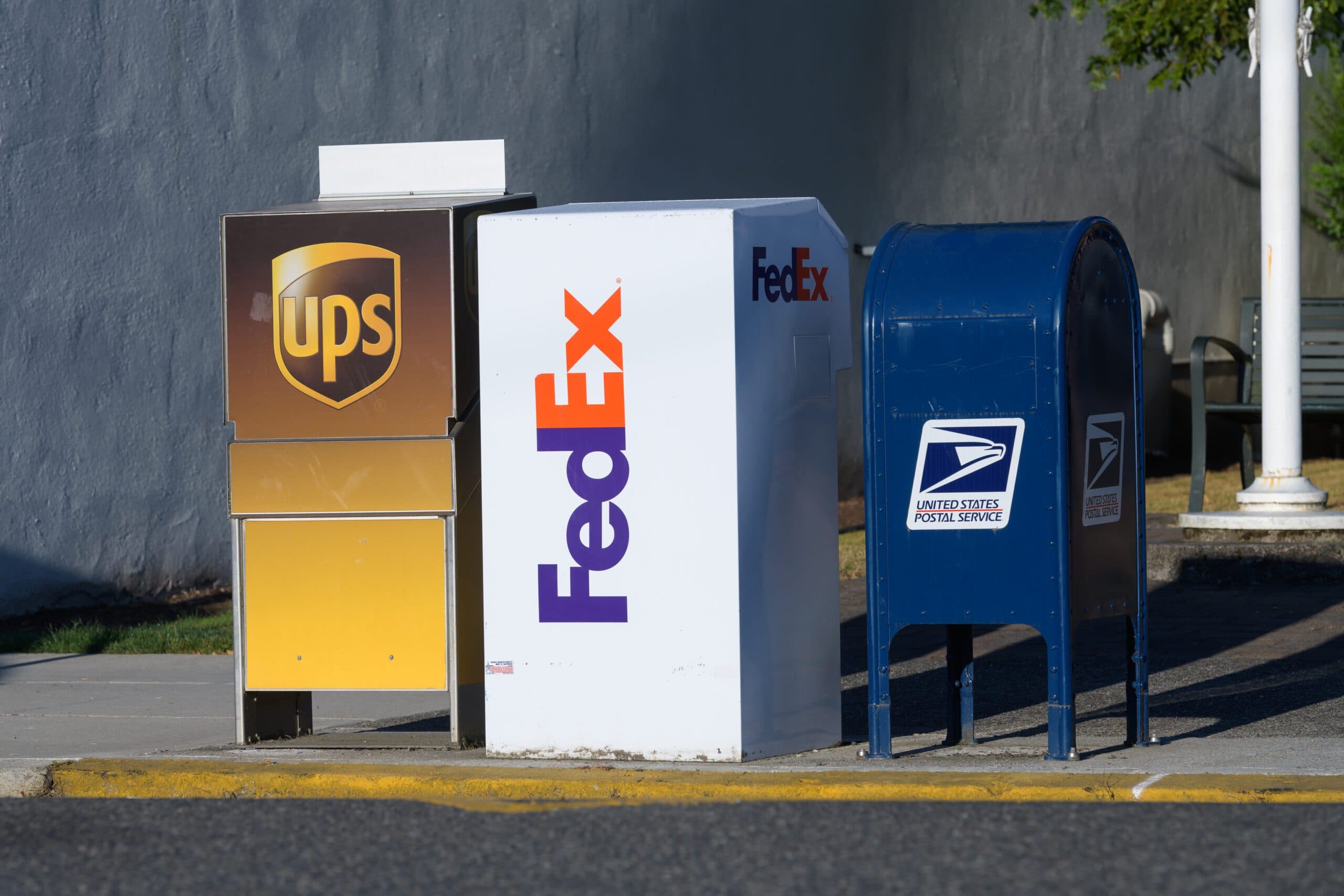
UPS and FedEx held base rate increases to 5.9% for 2026, but surcharges — fuel, delivery area, oversized handling — are now the real cost drivers. USPS adds a temporary 8% package surcharge through January 2027, making total shipping costs unpredictable and harder to model.
Sellers using blended shipping cost estimates in their margin calculators are already underpricing — surcharges don't show up in base rate projections. Pull your carrier invoices from the last 90 days, isolate surcharge line items, and rebuild your landed cost model before repricing Q3 catalog.
Carrier surcharge complexity accelerates the margin compression already squeezing marketplace sellers between rising fulfillment costs and platform fee increases — favoring larger brands with negotiated carrier contracts over small and mid-size sellers.
Pull your UPS/FedEx invoice detail report now — if surcharges exceed 20% of total shipping spend, your SKU-level margin assumptions are wrong and listings need repricing.
Within 30 days, set a fuel surcharge threshold alert in your shipping software (ShipStation, Shippo, EasyPost) and tie it to an automated repricer trigger or margin floor rule.
Bottom Line
Hidden surcharges — not base rates — are quietly killing marketplace seller margins in 2026.
Source Lens
Analyst Intelligence
Research or editorial analysis that adds market context beyond the official announcement.
Impact Level
medium
Hidden surcharges — not base rates — are quietly killing marketplace seller margins in 2026.
Key Stat / Trigger
USPS 8% package surcharge effective through January 2027
Focus on the operational implication, not just the headline.
Full Coverage
Shipping costs are rising again — but not in the way many B2B ecommerce operators modeled as carriers weigh surcharges. Across the U. S. parcel market, the United Parcel Service (UPS) and FedEx, are relying more heavily on surcharges, rather than base rate increases, to offset higher fuel, labor, and network costs. And now, the U. S.
Postal Service (USPS) plans to add temporary 8% package-shipping surcharge for the remainder of 2025 and through most of January 2027. The shift is making fulfillment more complex and less predictable, with direct implications for how B2B ecommerce companies’ price, sell and deliver goods online.
Both UPS and FedEx implemented general rate increases of about 5. 9% for 2026, consistent with prior years. But that headline figure masks a broader pricing shift. Surcharges tied to fuel, delivery area, handling and package size are now the primary drivers of total shipping cost.
Fuel surcharges are emerging as the most volatile component, and they are now being amplified by macroeconomic pressures tied to rising oil prices. News War disruptions raise distributors' costs and delay B2B shipments Mark Brohan | Mar 17, 2026
Original Source
This briefing is based on reporting from Digital Commerce 360. Use the original post for full primary-source context.
Style
Audience