

SONAR Sitrep: Fleet safety behind the curb post-freight recession
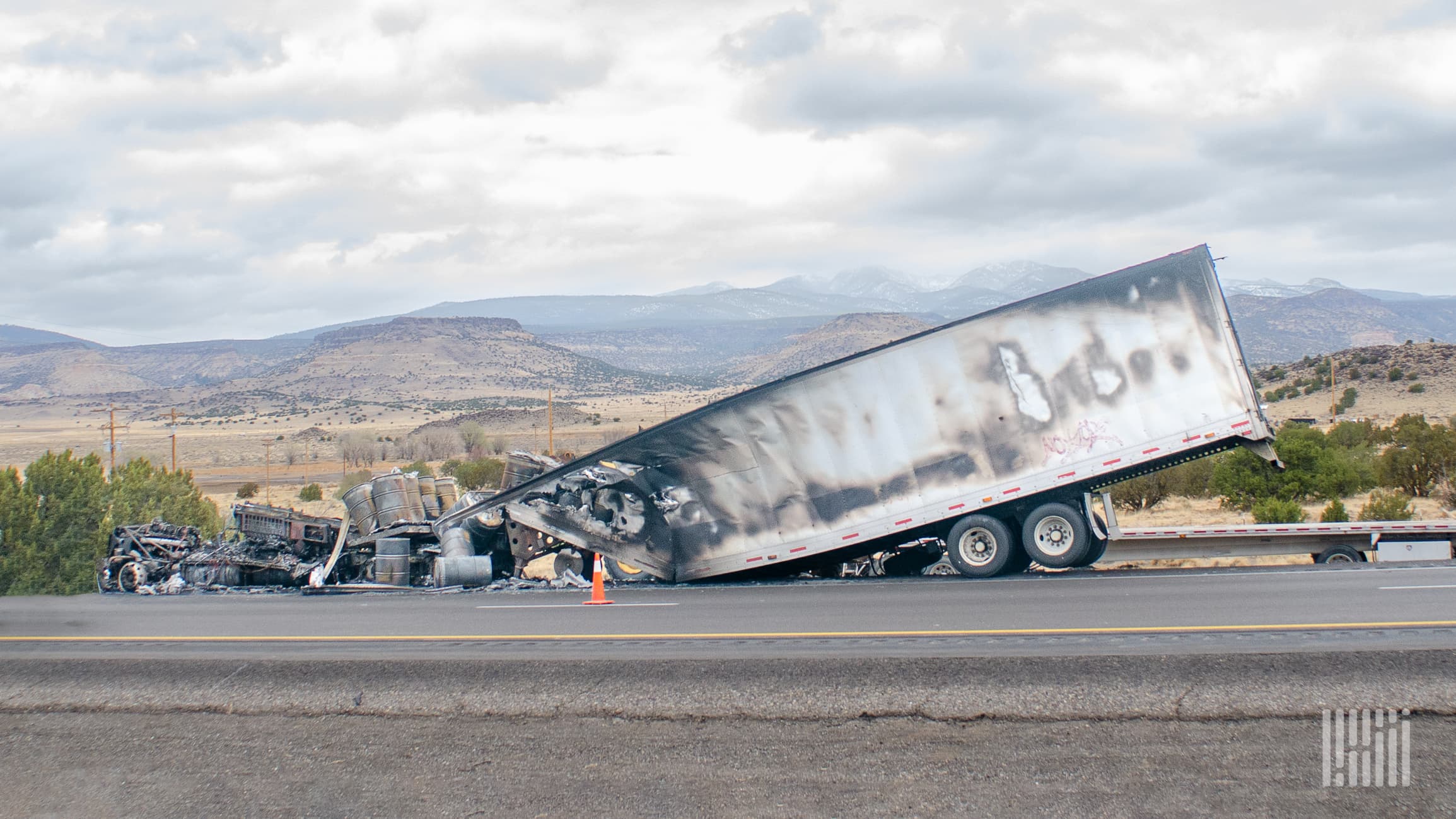
21.6% of commercial trucks fail roadworthiness inspections as freight recovery begins in 2026, with carriers facing massive deferred maintenance from the 2022-2026 recession. Trump's April 2025 executive order shifted safety focus to English proficiency and CDL irregularities for carriers.
Shipping delays and rate increases are inevitable as 700,000 vehicles get pulled from roads annually while freight demand recovers. Sellers should diversify carrier relationships now and build buffer time into Q4 2026 logistics planning before capacity tightens further.
This represents a supply chain constraint that will drive up logistics costs across all marketplaces as available trucking capacity shrinks during the freight recovery cycle.
Review your 3PL and carrier mix in Seller Central shipping settings -- if over 60% relies on single carriers, diversify before peak season.
Add 2-3 extra days to inbound shipment lead times for Q4 2026 planning to account for reduced truck capacity.
Bottom Line
Truck safety crisis means higher shipping costs and delays for sellers.
Source Lens
Industry Context
Useful background context, but lower-priority than direct platform, community, or operator intelligence.
Impact Level
medium
Truck safety crisis means higher shipping costs and delays for sellers.
Key Stat / Trigger
21.6% vehicle out-of-service rate across 3.3 million inspections
Focus on the operational implication, not just the headline.
Full Coverage
Nearly one in five commercial trucks currently on U. S. roads fails to meet basic roadworthiness standards – a metric that stands as the #1 predictor of fatal accidents. As the freight cycle recovers and utilization rises, the industry is confronting a massive accumulation of deferred maintenance from the prolonged freight recession of 2022–2026.
During that time, a squeeze on carrier margins forced widespread deferral of equipment upkeep. As high-frequency data confirms, that risk is now coming back online. This maintenance crisis is showing up clearly in enforcement data. High-frequency SONAR indices, including the ELP Enforcement Index, track a tightening regulatory environment.
The current Vehicle Out-of-Service (OOS) rate has hit 21. 6% across 3. 3 million inspections, resulting in over 700,000 vehicles being removed from the road annually. The risk is compounded by an enforcement lag. The system currently audits just 1.
5% of carriers per year, meaning the average carrier will not face a comprehensive audit for 65 years at current staffing levels. This technical crisis is unfolding alongside the most consequential stretch of safety policy in a generation.
In April 2025, President Donald Trump signed an executive order which fundamentally shifted the focus to English proficiency and non-domiciled CDL irregularities to prevent catastrophic failures caused by “chameleon carriers.” A recent fleet management study by J. J.
Keller also shows that visible executive commitment to fleet safety culture has declined over the past two years. Want to understand how these maintenance economics and regulatory shifts will reshape capacity and your safety-market cycle? Read the full sitrep by signing up for SONAR or request a demo here.
The full report includes deeper dives into: The Maintenance Feedback Loop: The economics of deferred maintenance during freight recessions and how that risk manifests as utilization rises. Regulatory Compliance Shocks: Deeper analysis of the 2025 Executive Order’s impact on carrier operating authority and driver credentials.
C-Suite Safety Visibility Gap: Why executive engagement is the thread separating fleets that adapt from those that fall behind. Actionable Safety Forecasting: Using SONAR’s OTRI, OTVI, and ELP Enforcement Index to anticipate market-wide safety risks.
Sign up for SONAR today to access the full Freight Intelligence Report and keep your supply chain ahead of the curve. The post SONAR Sitrep: Fleet safety behind the curb post-freight recession appeared first on FreightWaves.
Original Source
This briefing is based on reporting from Freightwaves. Use the original post for full primary-source context.
Style
Audience