

Industrial Real Estate is Tightening Again, and Now it Favors Last-Mile Owner-Operators
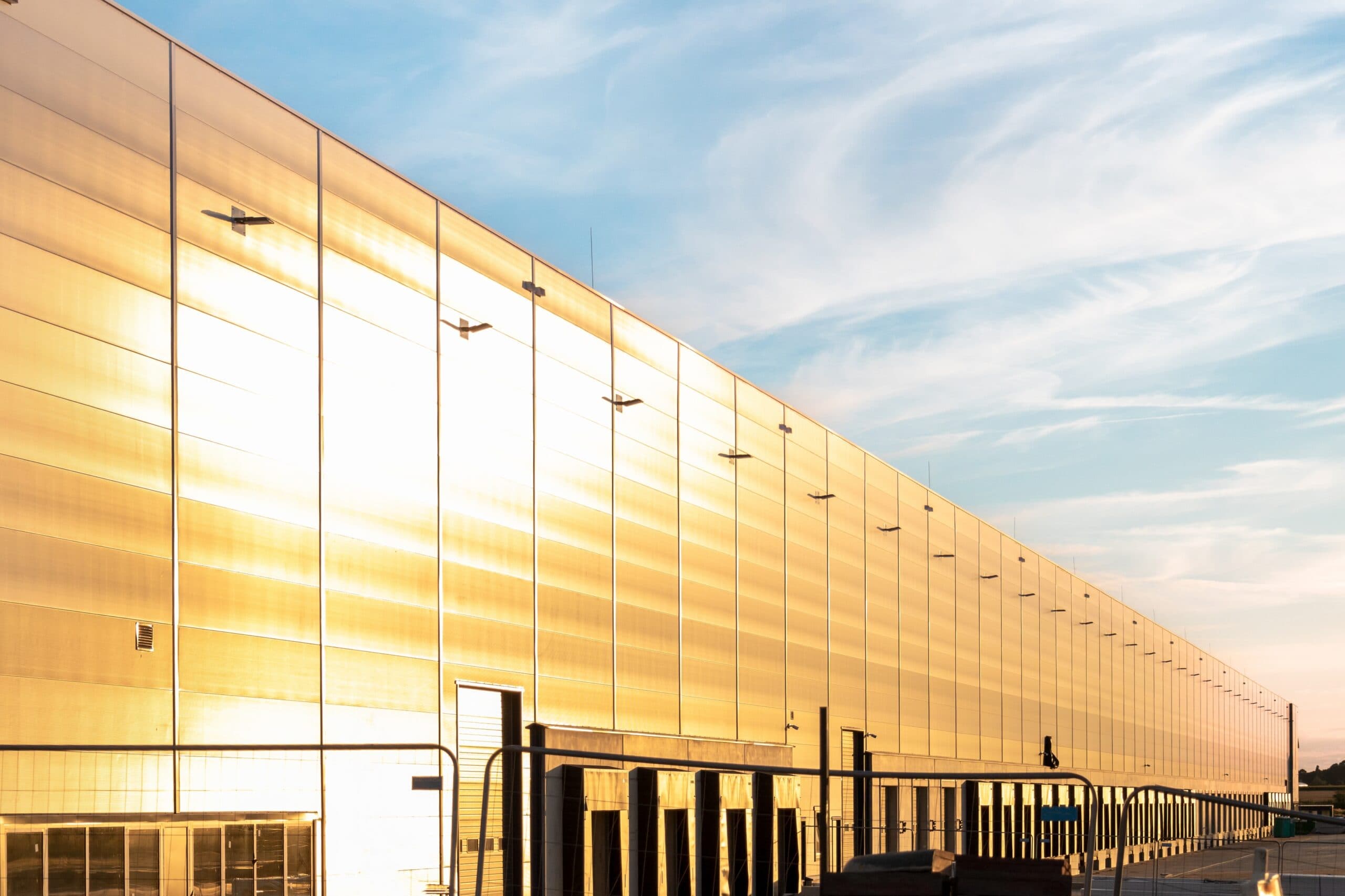
With national availability declining for the first time since 2021 and new construction starts at 10-year lows, Link Logistics sees a market primed for well-positioned infill portfolios. The post Industrial Real Estate is Tightening Again, and Now it Favors Last-Mile Owner-Operators appeared first on FreightWaves.
Source Lens
Industry Context
Useful background context, but lower-priority than direct platform, community, or operator intelligence.
Impact Level
medium
Use this briefing to decide whether your team needs an immediate workflow, policy, or reporting change.
Key Stat / Trigger
No single quantitative trigger surfaced in this report.
Focus on the operational implication, not just the headline.
Full Coverage
The industrial real estate market spent 2024 recalibrating after the frenzy of the COVID-era warehousing boom. Developers had responded aggressively to the pandemic-driven surge in demand, pushing new supply into markets that were already beginning to cool. The result was a period of oversupply, but that chapter now appears to be closing.
In an “Industrial Market Pulse” conversation with FreightWaves, Glenn Wylie, executive vice president and head of asset management at Link Logistics, says that the market is tightening. Link Logistics, one of the largest industrial real estate operators in the country with roughly half a billion square feet of warehouse space and approximately 5% of U. S.
GDP flowing through its facilities, is seeing demand indicators that look increasingly favorable for owner-operators, particularly those positioned in infill, last-mile locations.
“If you think back to COVID, we had record leasing volumes, rents were growing at an extremely rapid pace, customers were taking space almost out of necessity and fear of missing out,” Wylie said. “Then, developers responded, demand slowed from those levels, and we were oversupplied compared to that time period.”
But the correction has run its course, Wylie argues. Leasing activity across Link Logistics’ portfolio surged late last year, and the momentum has held. “December ‘25 was one of Link’s highest leasing volumes since 2021, and that momentum has really carried forward into this year,” Wylie said. “We track a lot of demand within our own portfolio.
And it still feels like it’s at record levels.” Policy uncertainty, particularly around tariffs and trade, has influenced tenant decision-making in the industrial market. In 2024, some occupiers took a wait-and-see approach as tariff questions came into focus. Wylie says this cycle feels different.
“If you think back to the tariffs of last year, there was essentially a halt in decision making,” he said. “Today, we’re not seeing that. Most customers continue to play through that uncertainty and are still moving forward with their business decisions.” Willingness to commit despite macroeconomic noise is a meaningful signal.
When tenants push forward, it signals operational confidence, even if the broader economic picture remains unsettled. Link Logistics’ leadership team recently convened senior leaders from across its national footprint, and Wylie said the read from the field corroborated the data. “The tone on the ground really remains positive as well,” he said.
The supply side is what makes this cycle different, though. Demand alone doesn’t tighten a market. What makes the current moment notable, Wylie says, is the convergence of improving demand with a construction pipeline that has pulled back dramatically.
“Since Q3 of last year, we’ve seen availability at the national level go down for the first time since 2021,” Wylie said. “You combine that with a national construction pipeline that’s down 35%, new starts at 10-year lows, infill development becoming much more difficult, and we like how Link’s last-mile portfolio is positioned.”
The demand fueling the industrial market is not coming from a single source, but e-commerce continues to dominate. Consumer expectations around delivery speed have only intensified, and the infrastructure needed to meet those expectations continues to expand. “Seventy-five percent of consumers expect two-day delivery,” Wylie said.
“As I think about my own kids and the younger generations, they’ve grown up with rapid delivery. Shoppers now have really had their delivery expectations shaped by Amazon. They want it now.” Link Logistics estimates that every billion dollars in e-commerce sales generates approximately 1. 2 million square feet of additional industrial demand.
Even modest growth in online retail translates directly into warehouse absorption. “That industrial demand has been a really nice tailwind for the sector,” Wylie said. Data center construction is another demand driver for industrial real estate that has accelerated over the past several quarters.
The AI infrastructure buildout is generating significant downstream demand for conventional industrial space in two distinct categories. “We’ve seen a significant amount of leasing volume over the past few quarters from that spillover,” Wylie said. “There are two types of users there. One includes the groups that are building the facilities.
These are multiyear projects. They need to be by the location to do it.” The second category, Wylie noted, may prove even more durable. “The second user group is a little stickier. They maintain the parts, the racks, the servers,” he said. “They’re generally within a short distance from these warehouses.”
The Phoenix, Arizona market offers a case study in how this dynamic plays out at scale. TSMC’s multibillion-dollar commitment to its North Phoenix campus was a catalyst that has drawn an ecosystem of supporting businesses into the region. “We’ve seen 36 semiconductor comp
Original Source
This briefing is based on reporting from Freightwaves. Use the original post for full primary-source context.
Style
Audience