

Suri got shoppers on board with recycling toothbrush heads. Now, it is turning them into soap dishes
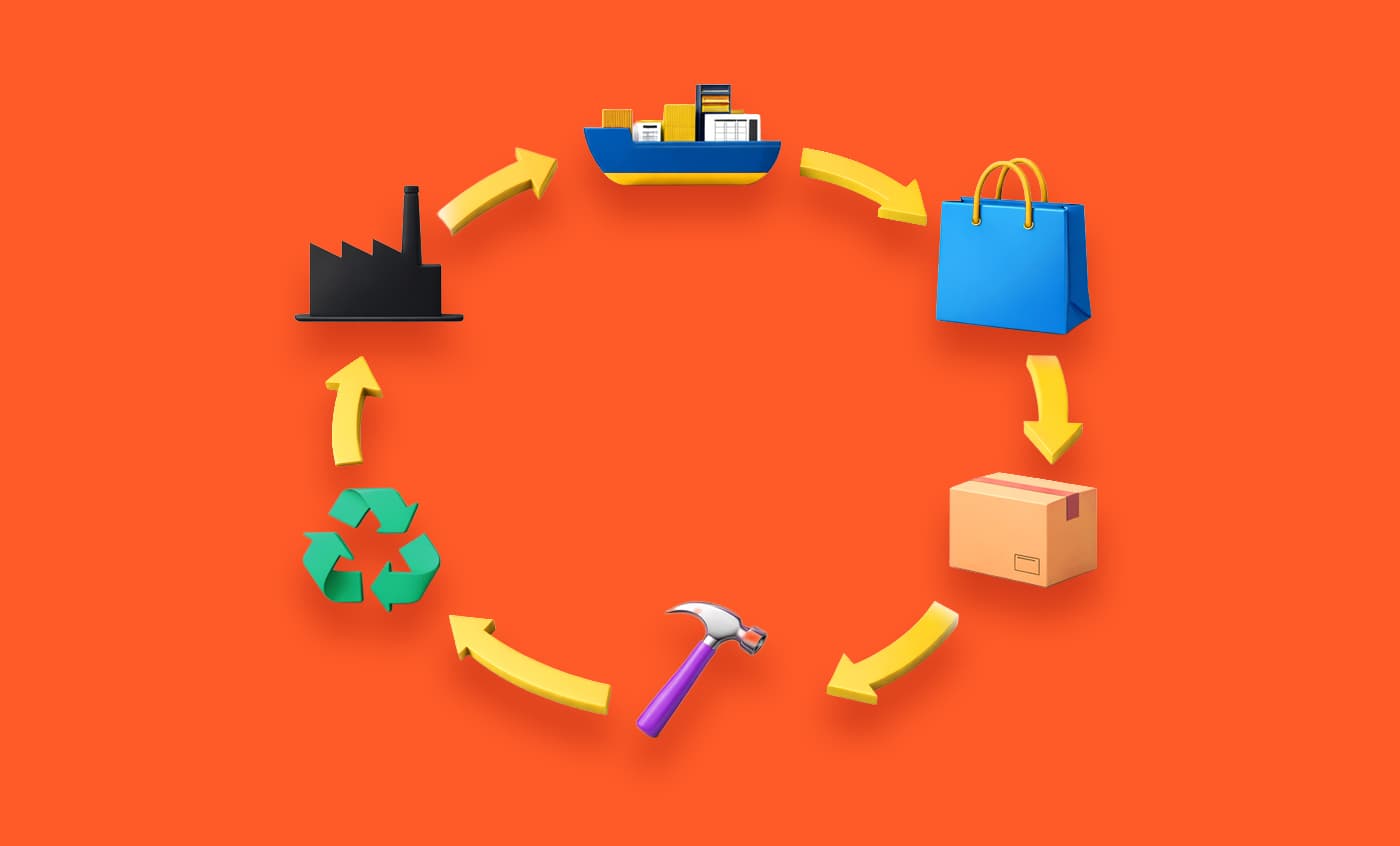
Suri launched soap dishes made from recycled toothbrush heads with 35% customer return rate, expanding from DTC to Target stores in 2026. The circular supply chain model creates new revenue streams from waste materials.
This demonstrates how sustainable packaging can become a competitive differentiator and new product line for marketplace sellers. Brands should evaluate their own waste streams as potential raw materials for complementary SKUs.
Sustainability is evolving from cost center to profit driver, with brands turning waste into new revenue streams while building customer loyalty through environmental engagement.
Audit your product packaging and components - identify materials that could be recycled into new SKUs to create circular revenue streams.
Test prepaid return programs for DTC orders to build customer loyalty and generate raw materials for future products.
Bottom Line
Circular supply chains create new SKUs from waste materials.
Source Lens
Industry Context
Useful background context, but lower-priority than direct platform, community, or operator intelligence.
Impact Level
medium
Circular supply chains create new SKUs from waste materials.
Key Stat / Trigger
35% return rate on used brush heads
Focus on the operational implication, not just the headline.
Full Coverage
Supply Chain Shakeup // April 28, 2026 Suri got shoppers on board with recycling toothbrush heads. Now, it is turning them into soap dishes By Melissa Daniels Ivy Liu Below is the latest edition of Modern Retail’s Supply Chain Weekly newsletter, which goes out on Mondays at 10 a. m.
ET, and dives into all things logistics and supply chain during a tumultuous time for the retail industry. To receive this weekly in your inbox, click here. Oral care brand Suri is putting circularity at the heart of its next product line. The U. K. -based startup sells a high-end electric toothbrush and encourages users to mail back used brush heads.
Last week, it launched a line of soap dishes made from those same brush heads, in partnership with the sustainable manufacturer Reborn. Co-founder Mark Rushmore told Modern Retail that Suri, which stands for Sustainable Rituals, set out to make sustainability the core of its brand.
Toothbrushes are traditionally difficult to recycle, due to the mix of materials used, and usually end up in landfills. By contrast, Suri’s brush body is aluminum, and the brush heads are made from cornstarch and castor oil. The company has yielded a 35% return rate on used brush heads across the U. K. and the U. S.
, Rushmore said, which propelled the new soap dish line after months of prototyping. “We wanted to make the highest quality, best-performing brush that’s going to give you great oral health,” he said. “But we believe that sustainability is a long-term area that is so important for all brands.
And so we wanted to build a brand which had this baked into it from the beginning, so that we’re kind of future-proofing ourselves while also doing something good.” Take-back systems are nothing new. They’re increasingly used to produce textiles at companies like Trashie and Supercycle.
But Suri’s new line shows how a take-back system can double as a supply chain engine for a new SKU or revenue stream. Suri, founded in 2022, sells at Boots, on Amazon and direct-to-consumer. To encourage recycling, Suri includes a prepaid mailer with all its DTC orders so customers can send back their used brush heads.
Then the brush heads are sorted by color and broken down into new, reusable material. This year, the company debuted in Target stores across the U. S. So, whether the take-back program’s success will continue remains to be seen, as mailers aren’t included at retail. And in the U. S. , the majority of waste still ends up in landfills. The U. S.
has a recycling rate of around 32%, according to the U. S. Environmental Protection Agency. Rushmore said Suri is aiming to develop a system for people to return brush heads that ideally doesn’t require printing a label.
“I think the reason we have that 35% return rate is that we’ve made it as simple as possible for people, and so we’re really keen to find a way to do that in the U. S. , as well,” he said. Down the road, Rushmore said Suri wants to create more bathroom products out of recycled materials or collaborate with other product brands.
Though the company has explored turning recycled brush heads into brush heads, ideas for making this possible in a consumer-friendly way have hit a wall for now. “It didn’t come out very well in testing,” Rushmore said. “Even though it’s totally safe and germ-free, psychologically, it wasn’t the right one, which is why we went for the soap dish.”
The week in tariffs As we reported several weeks ago, the government is quicker to collect money than return it. Importers can officially file for tariff refunds, but the process is hardly automatic.
CBS reports that businesses have to opt in and wait for the government to approve their claims, and the process could be delayed if the claims are inaccurate or require fixes. Looking ahead, tariffs continue to be wielded as an extension of international policy.
President Donald Trump has warned that new tariffs could be put on the United Kingdom if the country doesn’t suspend a digital services tax that hits companies like Google, Meta and Apple. What we’ve covered Brands rush to request tariff refunds, with some snags Importers are giving mixed reviews on the U. S.
Customs and Border Protection’s new online portal for requesting tariff refunds. MR’s Julia Waldow reports that some users saw the website crash as it opened up on Monday, while others were surprised by how functional it seemed. Rick Woldenberg, the CEO of the educational toy company Learning Resources Inc. , submitted a request for $10 million in refunds.
The company was the lead plaintiff in the case that ended up ruling against the constitutionality of tariffs enacted under the International Emergenc
Original Source
This briefing is based on reporting from Modern Retail. Use the original post for full primary-source context.
Style
Audience