

Optimize for Amazon COSMO: Moving Beyond Keywords to Context
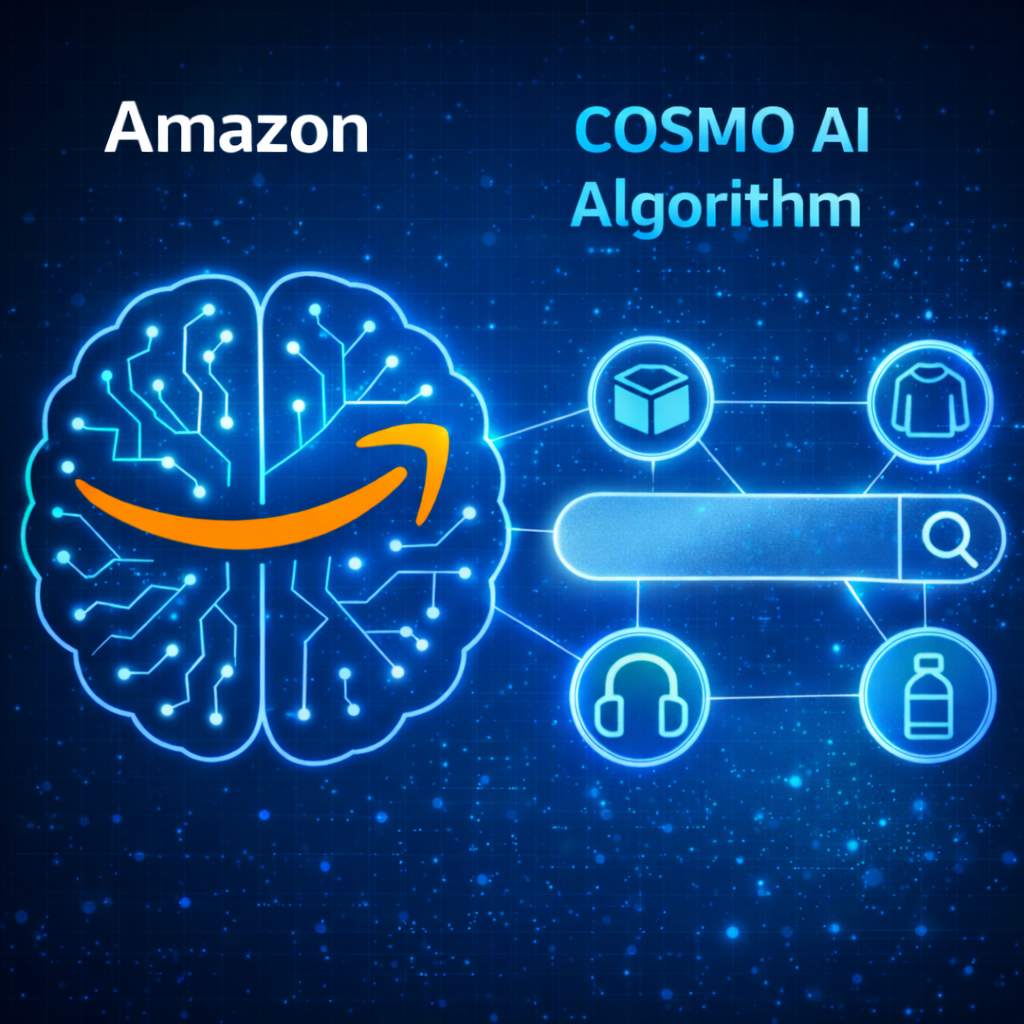
Amazon PPC changed fundamentally when the Amazon COSMO algorithm stopped rewarding keyword matches alone and began evaluating products based on intent. For a long time, running Amazon ads felt predictable. It was largely about selecting the right keywords, setting aggressive bids, cleaning up targets, and scaling what worked. When performance dipped, optimization usually meant adjusting… The post Optimize for Amazon COSMO: Moving Beyond Keywords to Context appeared first on SellerApp Blog.
Source Lens
Industry Context
Useful background context, but lower-priority than direct platform, community, or operator intelligence.
Impact Level
medium
Use this briefing to decide whether your team needs an immediate workflow, policy, or reporting change.
Key Stat / Trigger
No single quantitative trigger surfaced in this report.
Focus on the operational implication, not just the headline.
Full Coverage
Amazon PPC changed fundamentally when the Amazon COSMO algorithm stopped rewarding keyword matches alone and began evaluating products based on intent. For a long time, running Amazon ads felt predictable. It was largely about selecting the right keywords, setting aggressive bids, cleaning up targets, and scaling what worked.
When performance dipped, optimization usually meant adjusting bids or negating underperforming targets and moving forward. That process still matters and continues to play an important role. But that is just not enough. As of 2026, Amazon search acts more like a resolving system than a simple text-matching engine.
Because of this change, PPC performance feels harder to control. Ads still appear, and budgets are still spent. At the same time, CPC rises, CTR weakens, and scaling becomes fragile even when keywords appear correct. This change clearly explains why keyword-level optimizations no longer guarantee growth.
Amazon’s COSMO system evaluates intent across listings, creatives, and engagement signals, not just search terms. Wondering what is Amazon COSMO and how to make the best out of it?? Then Hi.
This guide explains what is Amazon COSMO and how COSMO interprets intent, and what sellers need to adjust across listings, creatives, and PPC to align with the system rather than work against it. Amazon COSMO algorithm and Rufus: How Amazon’s Two AI Systems Are Rewriting Product Discovery To begin, let’s understand what is Amazon COSMO?
It is the system that determines which products are eligible to surface for a shopper’s refined intent. It does not rely on keyword matches alone. Instead, it learns from shopper behavior to understand which products actually solve specific problems. COSMO analyzes what shoppers click, compare, purchase, and keep when they express similar needs.
Over time, it builds confidence around which products consistently deliver the right outcome for a given intent. This learning now sits upstream of both organic rankings and paid placements. Before ads scale or products rank, Amazon evaluates whether a product fits the job the shopper is trying to get done.
For example, when shoppers ask about oil-free egg cooking, COSMO does not simply surface pans that mention “non-stick.” Instead, it observes which pans shoppers consistently engage with, compare favorably, and keep after purchase.
If products that clearly specify non-stick coating and ease of cleaning perform better for that intent, COSMO strengthens that association. As a result, products that fail to meet those expectations gradually lose visibility, even if they remain keyword-relevant. This is where Rufus enters the picture. Rufus is Amazon’s shopper-facing AI assistant.
Its role is not to decide relevance or rank products. Rather, it helps shoppers clearly express and refine their intent. Rufus allows shoppers to ask questions in natural language instead of guessing keywords, making intent more explicit and easier for Amazon to interpret.
When a shopper asks a question through Rufus, the assistant helps structure that request and guides discovery by suggesting products to explore and compare. However, the pool of products Rufus draws from is shaped by COSMO’s understanding. Rufus does not override COSMO. Instead, it operates within the boundaries COSMO sets.
Together, these systems change how product discovery works. COSMO determines which products make sense for an intent based on historical performance. Rufus helps shoppers navigate and refine choices within that intent. In addition, PPC operates inside this framework by amplifying products that Amazon already understands with confidence.
What’s the role of Rufus AI when it comes to product discovery? Rufus plays a specific role in Amazon’s product discovery flow. It guides shoppers to clearly express their shopping intent, but it does not decide which products qualify to appear.
Rather than forcing the buyers to guess the right keywords, Rufus allows them to describe their needs in full sentences. Resulting in discovery shifts from keyword hunting to intent expression. Once intent is expressed, Rufus helps structure it more clearly.
For example, when a customer shops with a broad idea like “non-stick pan” and then asks, “Which pan works best for cooking eggs without oil?” This question goes beyond a basic search concern. It communicates the searchers’ functional expectations such as easy food release, minimal oil usage, and simple cleanup. At this stage, Rufus does not rank products.
Instead, it interprets the shopper’s question and translates those expectations into a refined discovery context. That context defines the type of solution the shopper is looking for. From there, the Amazon COSMO algorithm takes over. COSMO evaluates which products have historically satisfied similar expectations.
It analyzes past shopper behavior to identify listings that consistently deliver outcomes like easy food release, lower oil usage, and easier cleanup for comparabl
Original Source
This briefing is based on reporting from SellerApp Blog. Use the original post for full primary-source context.
Style
Audience