

Commodities outrun intermodal in latest rail freight data
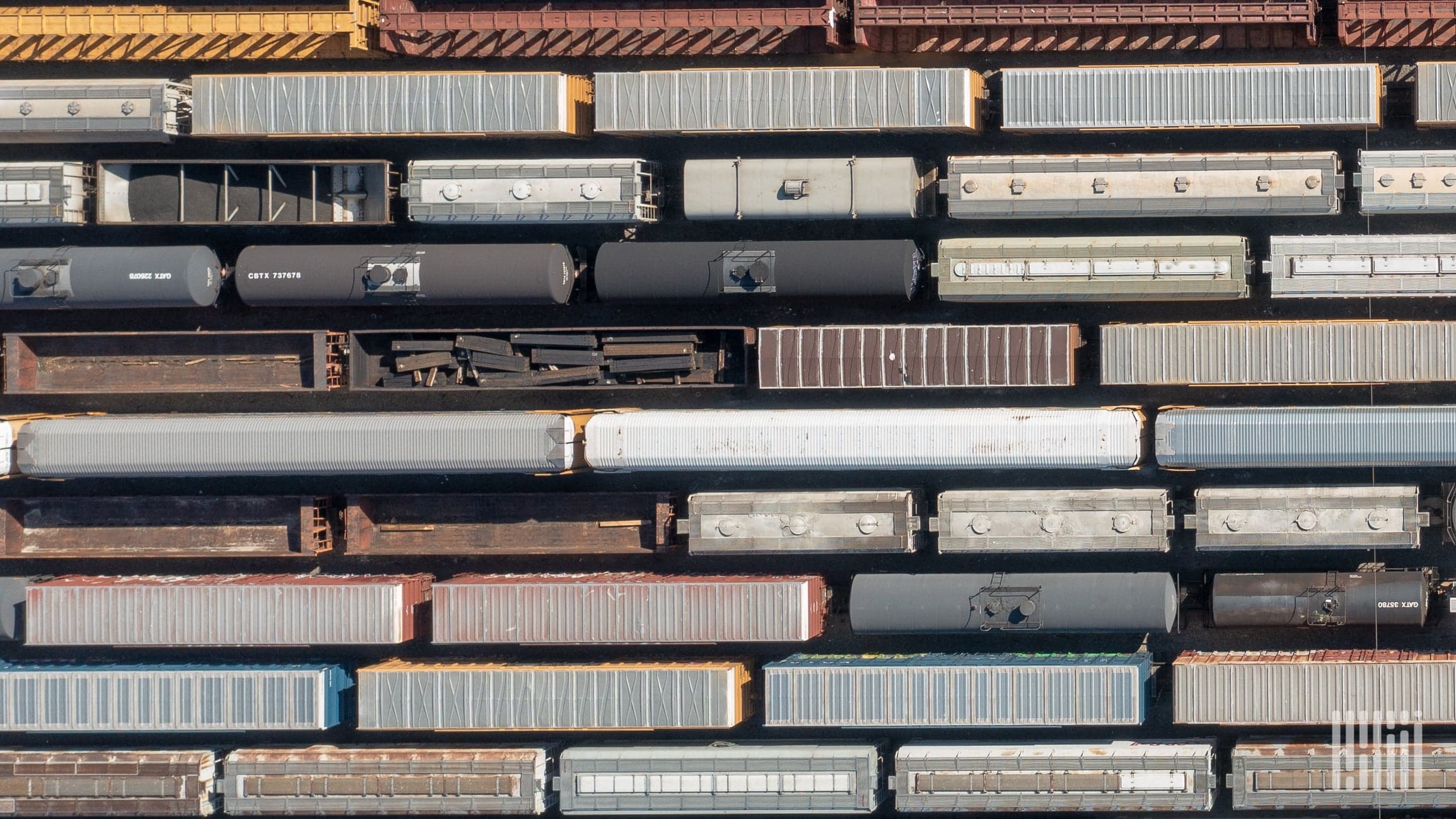
Rail freight commodity shipments rose 5.1% year-over-year through April 11, 2026, while intermodal container traffic (which includes retail goods) declined 1.1%. Grain, petroleum, and chemicals drove the commodity gains, but forest products and motor vehicles remained weak.
Declining intermodal traffic signals potential shipping cost increases as retailers compete for fewer rail containers, while commodity strength may drive up fuel surcharges. Monitor your 3PL contracts for rail-dependent routes and lock in Q3 shipping rates before capacity tightens further.
This reflects broader supply chain rebalancing as commodity exports strengthen while consumer goods movement softens, potentially signaling inventory destocking across retail channels before traditional peak season buildup.
Review shipping contracts with 3PLs using rail intermodal routes -- negotiate rate locks before Q3 peak season hits constrained capacity.
Check your logistics dashboard for rail-dependent inbound shipments and identify backup trucking options for critical inventory moves.
Bottom Line
Rail container decline means higher shipping costs ahead for sellers.
Source Lens
Industry Context
Useful background context, but lower-priority than direct platform, community, or operator intelligence.
Impact Level
medium
Rail container decline means higher shipping costs ahead for sellers.
Key Stat / Trigger
1.1% decline in intermodal container traffic year-over-year
Focus on the operational implication, not just the headline.
Full Coverage
Grain, petroleum and chemicals led a strong week for U. S. rail freight while intermodal traffic continues to limp through early 2026. Total weekly traffic reached 500,040 carloads and intermodal units for the week ending April 11, better by 1. 7% from the same week a year ago, according to data from the Association of American Railroads.
Carloads came to 228,666 units, up 5. 1%, while U. S. weekly intermodal volume of 271,374 containers and trailers edged down 1. 1% y/y. Seven of 10 categories gained led by coal, 13%; petroleum and related products, 10. 3%; and forest products, 8. 4%.
(Chart: AAR) Through the first 14 weeks of 2026, cumulative volume of 3,142,017 carloads was better by 4%, and 3,854,862 intermodal units was 0. 3% lower from the previous year. Total combined traffic year-to-date 6,996,879 carloads and intermodal units, a gain of 1. 6% y/y. Year to date, seven of 10 commodity groups posted an increase including grain, 15.
4%; petroleum and petroleum products, 7. 9%; and chemicals, 4. 1%. Forest products, off 3. 5%, and motor vehicles and parts, 0. 4%, were weaker y/y. North American rail volume for the week on 9 reporting U. S. , Canadian and Mexican lines totaled 338,866 carloads, ahead by 5. 3%, and 358,578 intermodal units, a 0. 7% decline y/y.
Total combined shipments was 697,444 carloads and intermodal units, up 2. 1%. North American volume for the first 14 weeks of 2026 was 9,631,857 carloads and intermodal units, an increase of 1. 8% y/y. Subscribe to FreightWaves’ Rail e-newsletter and get the latest insights on rail freight right in your inbox. Read more articles by Stuart Chirls here.
Original Source
This briefing is based on reporting from Freightwaves. Use the original post for full primary-source context.
Style
Audience