

One crash, 3 trucking firms found liable in California nuclear verdict
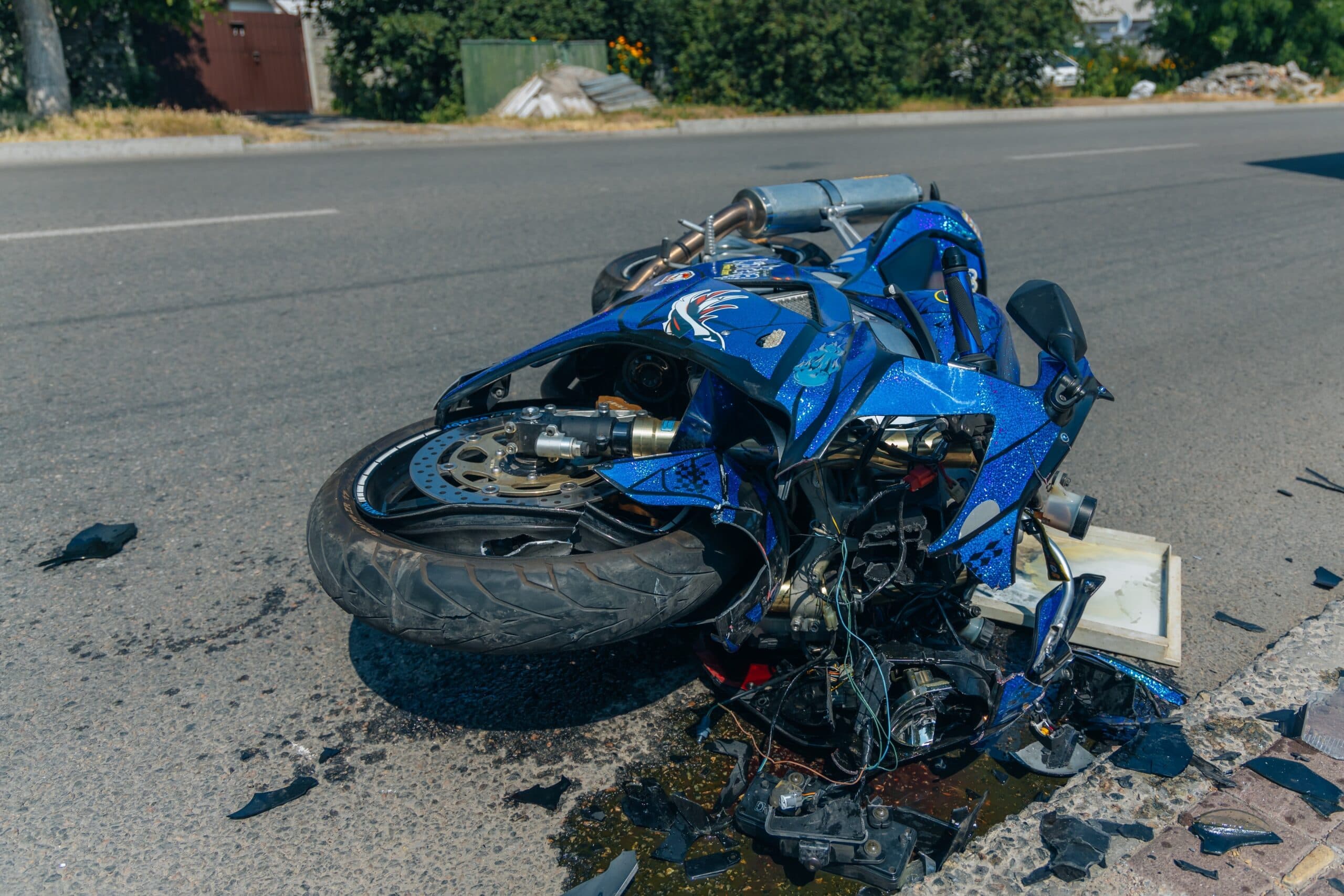
A crash involving an independent owner operator ultimately caught up 3 carriers in case involving vicarious responsibility. The post One crash, 3 trucking firms found liable in California nuclear verdict appeared first on FreightWaves.
Source Lens
Industry Context
Useful background context, but lower-priority than direct platform, community, or operator intelligence.
Impact Level
medium
Use this briefing to decide whether your team needs an immediate workflow, policy, or reporting change.
Key Stat / Trigger
No single quantitative trigger surfaced in this report.
Focus on the operational implication, not just the headline.
Full Coverage
A nuclear verdict handed down by a California jury this week is not just another big payout to a plaintiff from a trucking company defendant, or in this case, multiple defendants.
It also is a reminder to trucking companies that subcontract work to another firm or hire an independent owner operator that they can be found responsible for what those drivers do on the road, and steps to protect themselves in the event of a crash will likely need to be pursued.
Although there are no brokers involved in this case, it does have some parallels to the new world created by Montgomery vs. Caribe Transport II in that it deals with the legal issue of how far up or down the supply chain can liability be spread. The California case came out of Los Angeles Superior Court. The jury decision awarded a total of $52.
1 million to Chad Perrigo and his wife Alexa Perrigo under the definition of vicarious responsibility. As Judge Michele Flurer defined that in her instructions to the jury, vicarious responsibility is when “an employer is responsible for harm caused by the wrongful conduct of its employees while acting within the scope of their employment.”
Perrigo was riding his motorcycle in August 2021 in Santa Clarita, California when he collided with a truck driven by Jorge Castaneda Rodriguez. Rodriguez was driving a truck owned by Montecristo Trucking, which had a load from the U. S. Postal Service that had been subcontracted out twice. HOS violation an issue at trial Khail A.
Parris, a partner at the PARRIS law firm who represented the Perrigos said the jury decision turned on his firm’s argument that driver Rodriguez was in violation of federal Hours of Service rules at the time of the crash. Alexa Perrigo was not on the motorcycle at the time.
She was a plaintiff citing “loss of consortium” due to the injuries her husband suffered. Parris said California law on vicarious liability when an independent contractor is found negligent or liable traces back to the decision of Ely vs. Murphy, a 1952 case before the California Supreme Court.
As the Justia service said of the decision, “both to protect the public from financially irresponsible contractors, and to strengthen safety regulations, it is necessary to treat the carrier’s duties as nondelegable.” “It’s a precedent in the sense that many people in California aren’t aware of this rule,” Parris said in an interview with FreightWaves.
“Basically the rule is that if you’re a motor carrier and you’re operating in the state of California, there’s a duty and you’re liable whether you subcontract or not. You can’t just subcontract away all of your liability in California, you actually have to participate in making certain that the operators are safe, that the subcontracted entity is safe.”
Cautionary tale “This is a cautionary tale for companies and independent owner operators and other contractors who transport freight,” Richard Reibstein, a partner with the law firm of Troutman Pepper Locke who specializes in independent contractor law, said of the California decision. Reibstein also writes a blog on independent contractor issues.
Reibstein said cases such as the Perrigo verdict drive home the point that companies must “structure, document and implement your independent contractor relationships in a manner that complies with the law. Otherwise you may lose the benefits of being insulated from liability for the negligence of an independent contractor you retained.”
The chain of events that ultimately led to the crash that seriously injured Chad Perrigo began with a contract between the U. S. Postal Service and Thunder Ridge Transport to haul mail. Load got passed down the chain According to Parris, 100% of that contract was subcontracted to Fames Transport.
Fames then subcontracted part of the contract to Montecristo Trucking, the independent contractor that Jorge Castaneda Rodriguez was driving for when he struck Perrigo. Parris said Perrigo hit Rodriguez’ truck headon going 50 miles per hour. All three trucking companies were defendants in the case, as well as Castaneda.
But in her instructions to the jury, Judge Flurer focused on Fames, as it was the company that gave the contract to Montecristo who Castaneda was driving for when he struck Perrigo. Judge Flurer said jurors needed to consider several questions regarding whether Rodriguez was in essence an employee of Fames Transport.
“In deciding whether Fames Transport Inc.’ s was Jorge Castaneda Rodriguez’ employer, in addition to the right of control, you must consider the full nature of their relationship,” the judge’s instructions said. Among those factors: “whether Fames Transport Inc.
supplied the equipment, tools, and place of work; whether the work being done by Jorge Castaneda Rodriguez was part of the regular business of Fames Transport Inc. ; whether Jorge Castaneda Rodriguez was not engaged in a distinct occupation or business; whether Jorge Castaneda Rodriguez and Fames Transport Inc. believed that they had an emplo
Original Source
This briefing is based on reporting from Freightwaves. Use the original post for full primary-source context.
Style
Audience