

Trump’s tariff on drugs targets one of the world’s most globalized supply chains
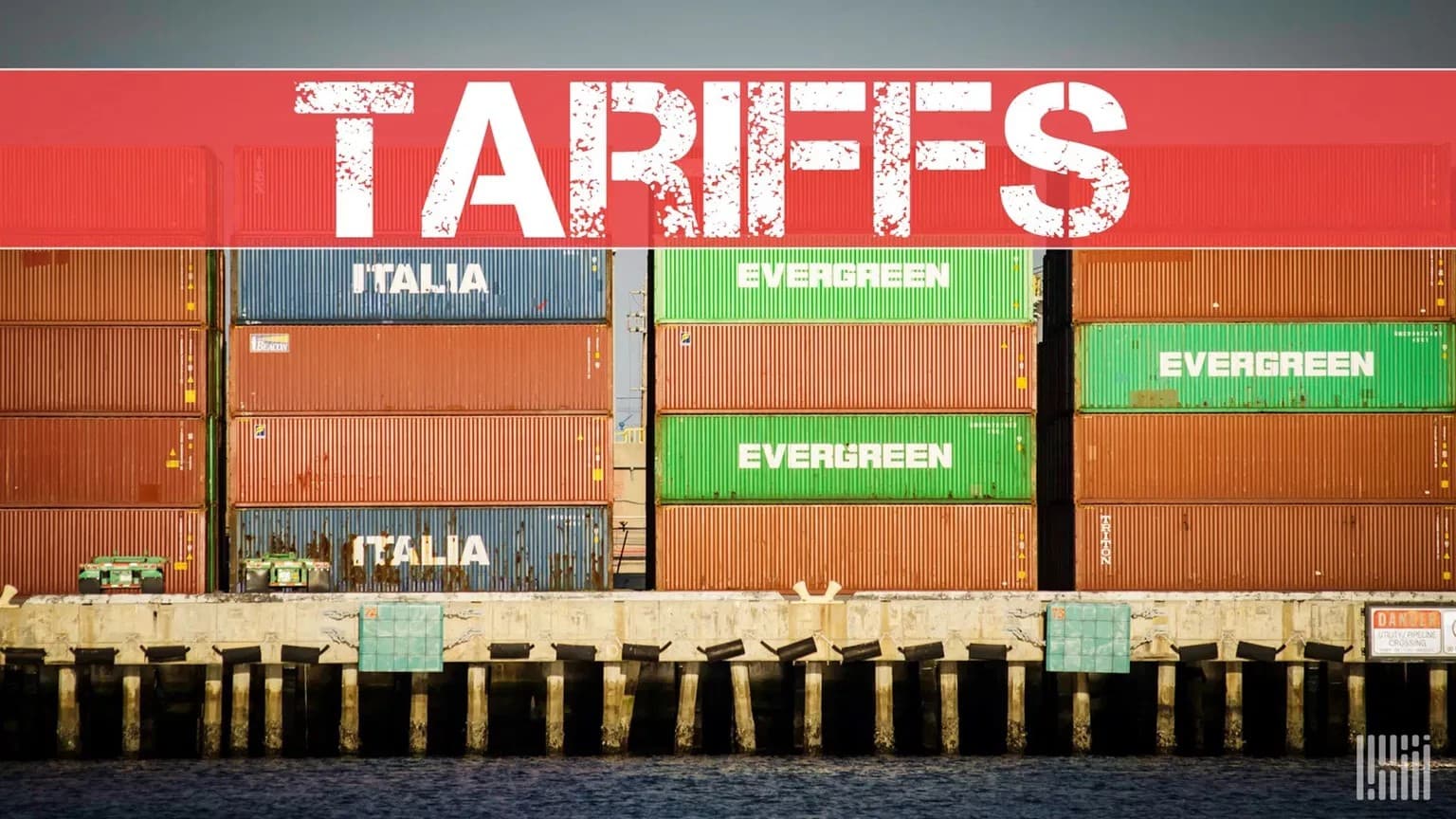
The Trump administration aims to impose major tariffs on generic medicines, targeting one of the world’s most complex supply chains. The post Trump’s tariff on drugs targets one of the world’s most globalized supply chains appeared first on FreightWaves.
Source Lens
Industry Context
Useful background context, but lower-priority than direct platform, community, or operator intelligence.
Impact Level
medium
Use this briefing to decide whether your team needs an immediate workflow, policy, or reporting change.
Key Stat / Trigger
No single quantitative trigger surfaced in this report.
Focus on the operational implication, not just the headline.
Full Coverage
President Donald Trump’s plan to impose tariffs as high as 200% on imported generic medicines could reshape production and distribution networks that span across multiple continents and countries. The administration’s new tariff policy on imported generic drugs could also have a huge impact on the three distributors that control most U. S.
pharmaceutical distribution, and the logistics networks that move billions of dollars in medicines each year. Beginning Aug. 1, imported generic drugs will continue to enter the U. S. duty-free through July 2028.
The administration then plans to impose a 100% tariff beginning in August 2028, with the duty increasing to 200% beginning in 2029, Reuters reported. Trump said the phased approach is intended to give manufacturers time to build production facilities in the United States before the higher tariffs take effect.
“This is done in order to RESHORE Generic Pharmaceutical Production into America, with a penalty to those Companies that decide not to build Plant and Equipment within the stated period of time given to them,” Trump wrote on Truth Social.
The new policy does not change the administration’s approach toward patented and branded medicines, which remain subject to previously announced pharmaceutical tariff policies. More than 90% of medicines dispensed in the U. S.
are generic drugs, according to the Food and Drug Administration, making the proposal one of the most consequential trade actions affecting the U. S. healthcare supply chain. Global supply chain heavily dependent on India and China Although many finished pharmaceuticals are imported from Europe, the U. S.
relies heavily on India and China for generic medicines and the active pharmaceutical ingredients (APIs) used to manufacture them. According to industry research, generic drugs account for more than 90% of U. S. prescriptions, while more than 92% of facilities producing generic APIs for the U. S.
market are located overseas, primarily in India, China and Italy. The research notes that the United States’ dependence on overseas manufacturers has lowered costs but also increased exposure to supply disruptions and shortages.
Researchers have cautioned that reshoring generic drug production may prove more difficult than moving higher-margin branded pharmaceuticals because generic manufacturing operates on extremely thin margins and remains labor intensive.
They note that unless tariffs significantly outweigh the higher cost of domestic production, manufacturers may continue relying on overseas suppliers. Others warn tariffs could unintentionally contribute to higher prices or shortages if manufacturers determine certain low-margin products are no longer economically viable.
The pharmaceutical distribution market is dominated by three companies: CompanyRoleMcKessonLargest pharmaceutical distributor and wholesalerCardinal HealthNational pharmaceutical distributor serving pharmacies and hospitalsCencora (formerly AmerisourceBergen)Global pharmaceutical wholesaler and distribution company Three companies dominate U. S.
drug distribution Every imported generic drug ultimately moves through a remarkably concentrated U. S. distribution network.
McKesson, Cardinal Health and Cencora collectively control roughly 92% of pharmaceutical distribution revenue in the country, serving as the primary conduit between overseas manufacturers and American hospitals, pharmacies and healthcare providers.
Pharmaceutical logistics is dominated by strategic coastal gateways equipped with major cold-chain infrastructure and proximity to high-density consumer and manufacturing hubs.
The dominating ports include: Port of New York and New Jersey Port of Philadelphia Port of Los Angeles and Port of Long Beach Port Houston Port Everglades/Port of Miami Several global logistics companies dominate pharmaceutical freight, including DHL, UPS, FedEx, Cencora, DSV and Kuehne+Nagel. How a generic drug reaches U. S.
consumers API supplier ↓ Drug manufacturer (India/China) ↓ Ocean container / Air cargo ↓ U. S.
port ↓ McKesson Cardinal Health Cencora ↓ Hospital Pharmacy Clinic ↓ Patient Researchers have cautioned that reshoring generic drug production may prove more difficult than moving higher-margin branded pharmaceuticals because generic manufacturing operates on extremely thin margins and remains labor intensive, according to a study titled “Prescription for made in America?
Tariffs and U. S. drug manufacturing” by Mariana P. Socal, Maqbool Dada Tinglong Dai. They note that unless tariffs significantly outweigh the higher cost of domestic production, manufacturers may continue relying on overseas suppliers.
Others researchers warn tariffs could unintentionally contribute to higher prices or shortages if manufacturers determine certain low-margin products are no longer economically viable, according to the University of North Carolina Center for the Business of Health. Why it matters: Generic medicines account for more than 90% of U. S. prescriptions, and
Original Source
This briefing is based on reporting from Freightwaves. Use the original post for full primary-source context.
Style
Audience