

Postal operators struggle to break even despite parcel growth
Modest parcel revenue growth cannot mask the financial pressure facing global postal operators amid rising costs, declining letter volumes and competition from private couriers, according to a new industry report. The post Postal operators struggle to break even despite parcel growth appeared first on FreightWaves.
Source Lens
Industry Context
Useful background context, but lower-priority than direct platform, community, or operator intelligence.
Impact Level
medium
Use this briefing to decide whether your team needs an immediate workflow, policy, or reporting change.
Key Stat / Trigger
No single quantitative trigger surfaced in this report.
Focus on the operational implication, not just the headline.
Full Coverage
Postal operators worldwide saw modest revenue growth in 2025, with average revenue rising by 1. 4%, mostly driven by parcel business, according to preliminary results published on Thursday by the International Post Corp. Letter mail has continued to decline in all markets worldwide.
Over the past three years, postal operators’ revenue growth has come almost entirely from parcels rather than mail. Profitability remained under pressure as fuel and labor costs squeezed margins, offset by parcel revenue from e-commerce and cross-border delivery.
Despite higher parcel traffic, margins in this category remain narrow or negative, the IPC, a service provider to the postal sector, said. Postal revenue growth slowed last year from 2. 2% in 2024 and 1. 5% in 2023. “E-commerce continues to drive demand, but volume growth no longer guarantees profit, given the high competition and low margins.
Posts are pursuing their transformation to increase competitiveness in delivery markets. Furthermore, global cooperation is more essential than ever for posts to respond to increasing regulatory pressure,” said IPC Chief Executive Officer Holger Winklbauer, in a news release. window. googletag = window. googletag || {cmd: []}; googletag. cmd.
push(function() {googletag. defineSlot('/21776187881/FW-Responsive-Main_Content-Slot1', [[300, 100], [320, 50], [728, 90], [468, 60]], 'div-gpt-ad-1709668545404-0'). defineSizeMapping(gptSizeMaps. banner1). addService(googletag. pubads()); googletag. pubads(). enableSingleRequest(); googletag. pubads(). collapseEmptyDivs(); googletag.
enableServices(); }); googletag. cmd. push(function() {googletag. display('div-gpt-ad-1709668545404-0'); }); E-commerce remains the sector’s main growth driver, with online retail and cross-border shopping increasing parcel flows. In Asia-Pacific, parcel growth is further supported by urbanization and a growing middle class.
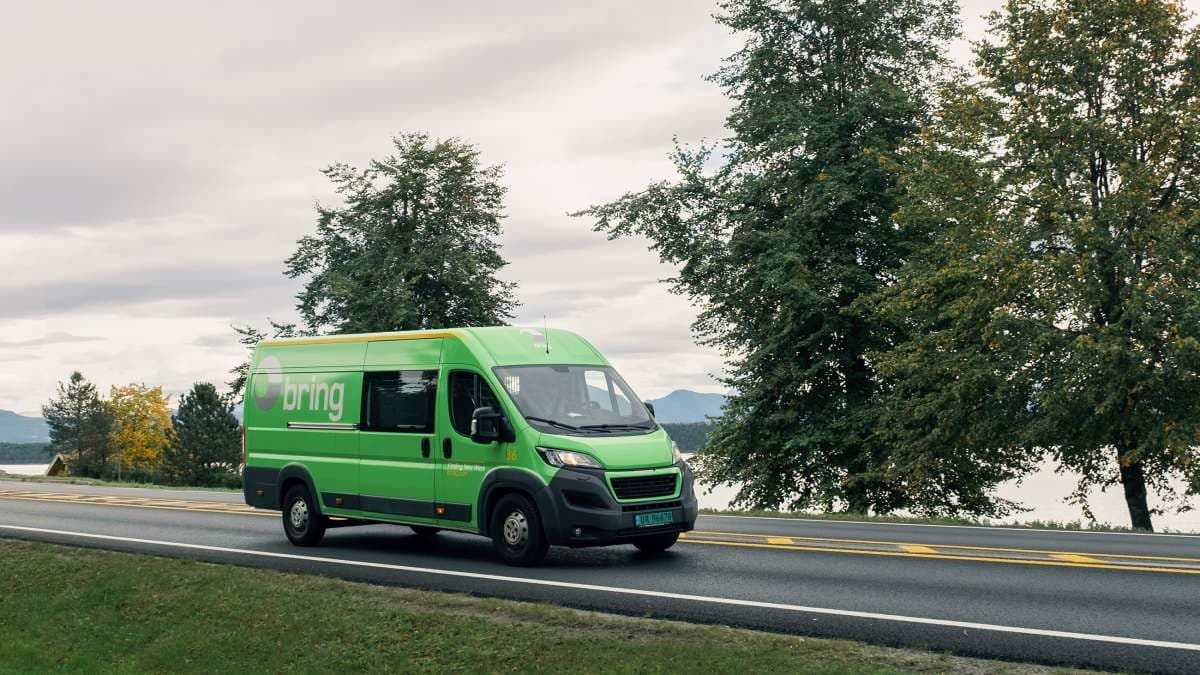
The financial squeeze on postal operators has continued in 2026, based on financial reports from operators. Posten Bring, the state-owned postal logistics provider in Norway, on Wednesday said revenue in the first half of 2026 increased 0. 9% compared to the same period last year, while adjusted operating profit fell 19. 1% to $40. 3 million.
Posten Bring, which handles mail and parcel delivery across the Nordic region, said making a profit is proving difficult because of rising costs and price pressure from intense competition even as parcel volumes continue to grow. Mail volume decreased 9. 4% in the first six months, resulting in a 2% decline in mail revenue.
Parcel growth is strongest in Sweden, Posten Bring said. It plans to open a new parcel terminal outside Stockholm next summer that will triple its current capacity in the country.
The IPC said the introduction of additional regulatory and customs obligations in the United States and Europe during the past 12 months may lead to a slow-down of cross-border e-commerce and a reduction of overall volumes.
It urged governments to make sure new rules are easily implemented in order to maintain parcel flows and help postal operators retain business. Digitalisation continues to reduce mail demand, pushing postal operators to diversify into government, financial and logistics services to offset lost mail revenue.
At the same time, rising labor and fuel costs are accelerating investment in automation and network optimization. U. S. Postal Service mail volume, for example, has dropped by more than half since its peak in 2000, while the number of addresses requiring service grows by 1 million annually and the workforce is about the same size as in the 1970s.
The agency says it could run out of cash in five years if Congress doesn’t make structural changes that give it more flexibility to run like a private business.
Postmaster General David Steiner is raising postage and parcel rates, soliciting large shippers to use the Postal Service for last-mile delivery of bulk e-commerce shipments and streamlining the delivery network to improve efficiency and service. window. googletag = window. googletag || {cmd: []}; googletag. cmd. push(function() {googletag.
defineSlot('/21776187881/fw-responsive-main_content-slot3', [[728, 90], [468, 60], [320, 50], [300, 100]], 'div-gpt-ad-1665767553440-0'). defineSizeMapping(gptSizeMaps. banner1). addService(googletag. pubads()); googletag. pubads(). enableSingleRequest(); googletag. pubads(). collapseEmptyDivs(); googletag. enableServices(); }); googletag. cmd.
push(function() {googletag. display('div-gpt-ad-1665767553440-0'); }); Regulatory changes, particularly for emissions and electric vehicles, are also requiring operators to modernize fleets and infrastructure.
Regulators are easing long-standing mail-delivery requirements and adjusting service standards to help operators sustain a profitable universal service, by reducing the number of delivery days or for instance by converting door-to-door addresses to community mailboxes. Canada Post, for example, is in the process of ending front-door delive
Original Source
This briefing is based on reporting from Freightwaves. Use the original post for full primary-source context.
Style
Audience